First Caspian Sea fibre-optic cable installation completed
The installation of the first fibre-optic cable across the bottom of the Caspian Sea has been completed, marking a major step in the development of a ...
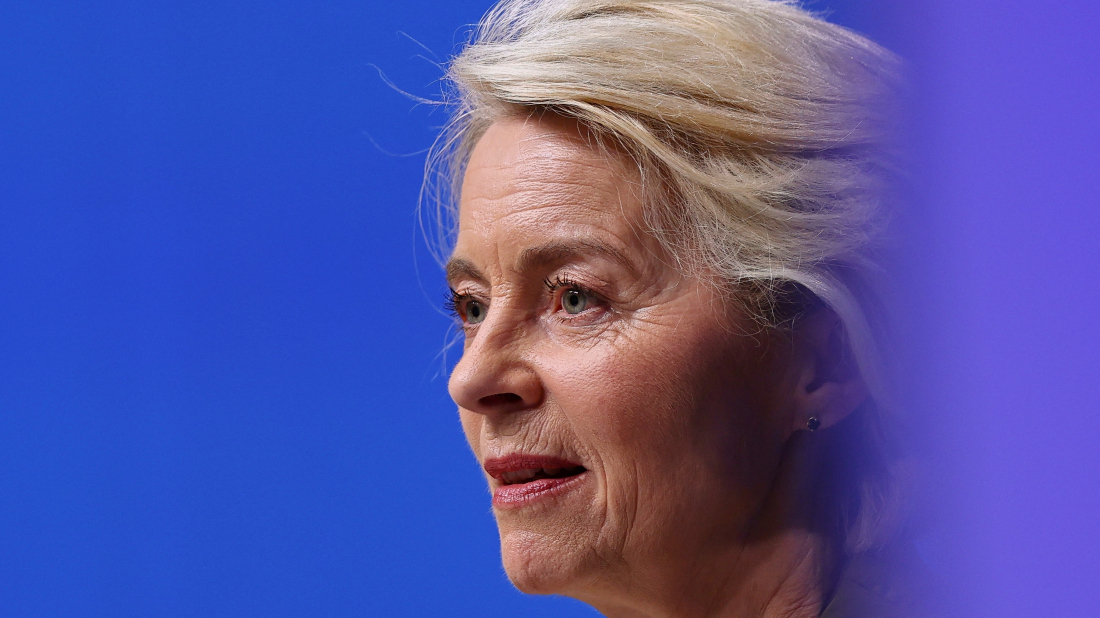
European Commission President Ursula von der Leyen announced on Sunday that the EU will extend its pause on retaliatory measures against U.S. tariffs until early August, in an effort to reach a negotiated trade agreement with the United States.
The move comes after U.S. President Donald Trump escalated trade tensions by threatening to impose a 30% tariff on EU imports starting August 1, in addition to existing sector-specific duties, despite months of talks.
Von der Leyen said the EU is continuing to prepare additional countermeasures to ensure readiness, should talks fail. The initial package of retaliatory tariffs, worth €21 billion ($24.6 billion) and aimed at U.S. steel and aluminium imports, was suspended in April for 90 days and had been set to expire on Monday.
A second set of measures, under development since May, targets €72 billion in U.S. goods. While the list has not been made public, it still requires approval from EU member states.
Von der Leyen also clarified that the EU’s Anti-Coercion Instrument, which allows for broader economic retaliation against countries applying pressure on EU policies, is not yet being considered. She emphasised that the instrument is reserved for “extraordinary situations,” which the EU has not yet reached.
Potential EU responses could involve limiting U.S. access to the European market, imposing restrictions on foreign investment, financial services, export controls, and other economic measures.

U.S. President Donald Trump said there was an "all-day negotiation" on Tuesday with Iran, characterising the talks positively while also threatening to hit Iran "really hard" if a deal was not reached.
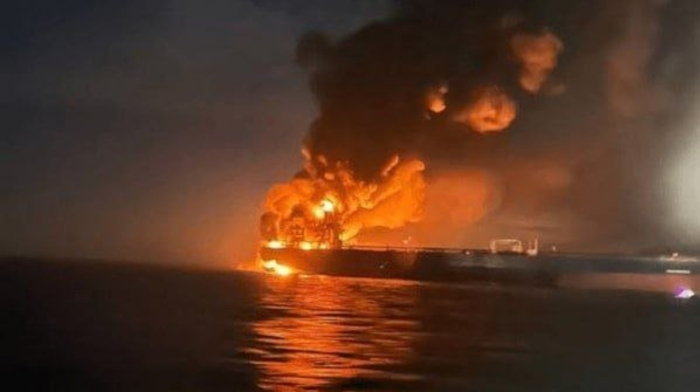
Shipping traffic through the Strait of Hormuz and the Bab el-Mandeb Strait, two key maritime chokepoints in the region, decreased significantly from the previous day, according to shipping data.
Start your day informed with AnewZ Morning Brief. Here are the top news stories for the 6th of August, covering the latest developments.
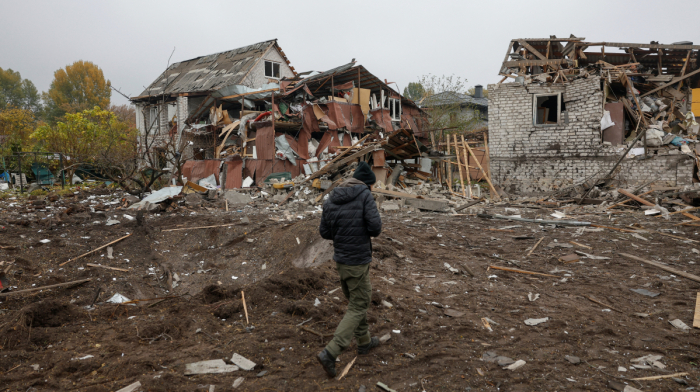
Kazakhstan’s main oil export corridor was disrupted by drone strikes near Russia’s Black Sea coast in July, forcing a temporary suspension of crude loadings and raising fresh concerns over the vulnerability of regional energy infrastructure to the war in Ukraine.
Ukrainian President Volodymyr Zelenskyy has dismissed the country's ambassadors to Tajikistan, Kyrgyzstan and several other countries. The removals came after a speech on Monday in which he said embassies would be judged on their effectiveness in securing weapons for Ukraine.
Uzbek exporters say repeated disruptions to Wildberries' logistics network in Russia have slowed deliveries and affected overseas sales, prompting the government to hold talks with the online marketplace's management.
Thailand's prime minister has pledged to introduce tougher gun laws after a school shooting outside Bangkok left at least eight people dead, including the suspected teenage gunman.
Morocco has expressed its readiness to work with Spain and other European partners to identify and return unaccompanied minors following the mass arrival of tens of thousands of migrants Ceuta last week.
Start your day informed with AnewZ Morning Brief. Here are the top news stories for the 7th of August, covering the latest developments.
A U.S. judge has ordered Meta to pay an additional $567 million over claims that its platforms failed to protect children from online harm.
You can download the AnewZ application from Play Store and the App Store.
What is your opinion on this topic?
Leave the first comment