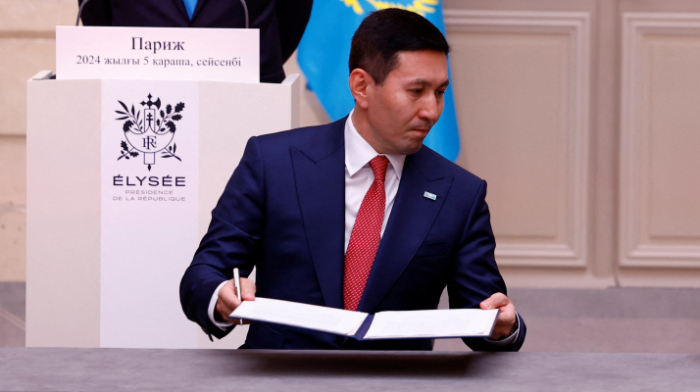
Head of Kazakhstan's sovereign wealth fund arrested in corruption probe
Kazakhstan’s security service has arrested Nurlan Zhakupov, CEO of ...
Washington and Ottawa are once again at odds, as President Trump unveils a sharp new tariff on Canadian goods—citing drug trafficking and trade disputes just weeks ahead of a key deadline.
President Donald Trump has announced a sweeping 35% tariff on all Canadian imports, set to take effect on August 1. The move, shared via a letter on his social platform, is being justified on national security grounds, with Trump accusing Canada of failing to stop fentanyl smuggling into the United States and maintaining unfair trade practices.
The tariff decision has sparked concern in Ottawa. Prime Minister Mark Carney responded by reaffirming Canada’s efforts to curb synthetic drug trafficking, including a $950 million investment in border enforcement and the appointment of a national anti-fentanyl coordinator. However, he also signalled readiness to negotiate, stressing that Canada will defend its economic interests.
Markets reacted swiftly, with U.S. stock indices slipping and trade analysts warning of supply chain disruptions. The move may also test the limits of the USMCA trade agreement, as legal questions arise over the use of national security exemptions.
Trump has hinted at similar tariffs for other countries lacking trade deals with the U.S., raising the prospect of broader trade conflicts in the coming weeks.
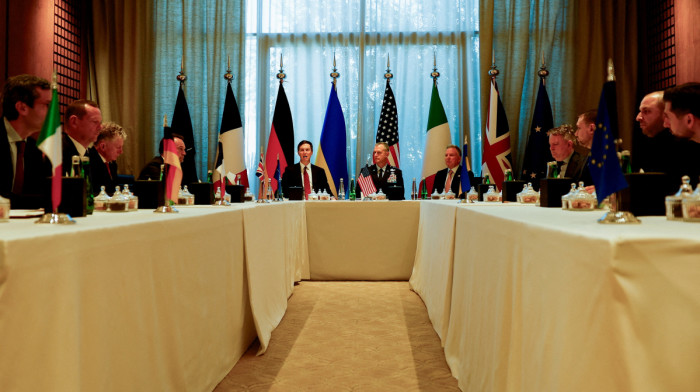
Delegations from Russia, Ukraine and the United States met in Abu Dhabi on Tuesday for their first formal talks in nine months. They did so with no agreement on what a ceasefire would be tied to or who gets to keep the land currently under Russian control.
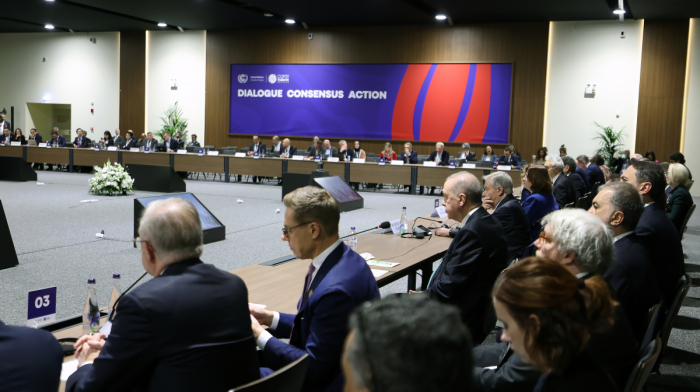
UN Secretary-General António Guterres delivered a stark warning at this year's COP31 summit, saying the climate crisis iss advancing faster than governments' efforts to contain it.
Here's your AnewZ Daily Brief for 11 November. Today, we cover Russia-Ukraine peace talks, political tensions in Washington, strikes in Spain, espionage allegations involving Nvidia's CEO, and climate negotiations at COP31 in Türkiye.
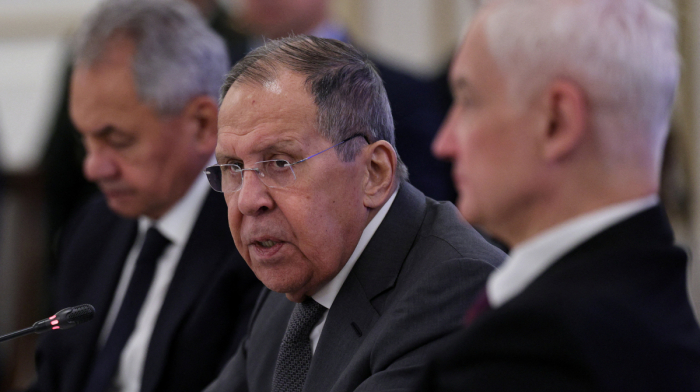
Armenia could lose its voting rights within the Collective Security Treaty Organization (CSTO) on 11 November after failing to pay membership fees for more than two years, Russian Foreign Minister Sergey Lavrov has said.
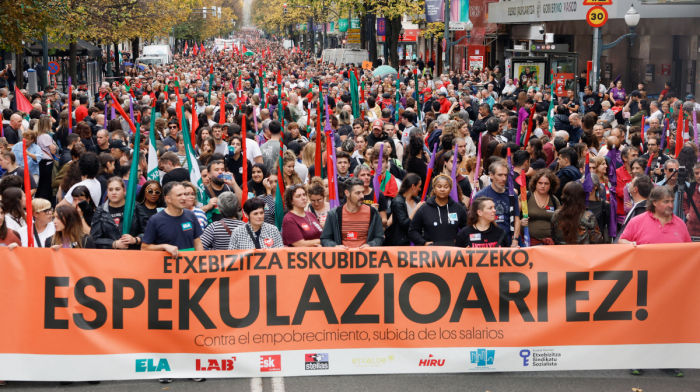
Four million workers across Spain joined a general strike on Wednesday over the country’s deepening housing crisis, unions said, bringing disruption to factories, ports, shops and public transport just weeks before a snap general election.
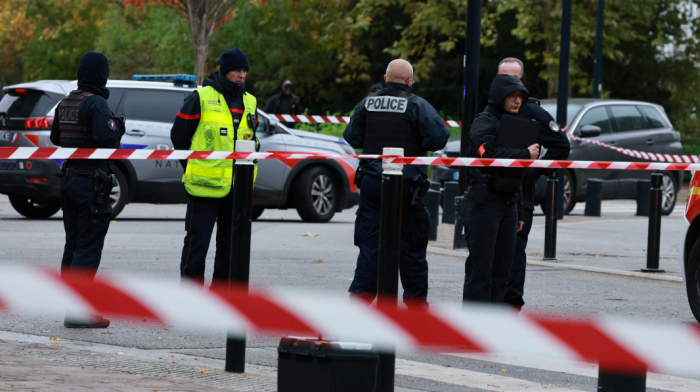
A bomb alert at Calais-Fréthun train station in northern France has disrupted Eurostar services between London and Paris, causing delays, local authorities and the rail operator said on Wednesday.
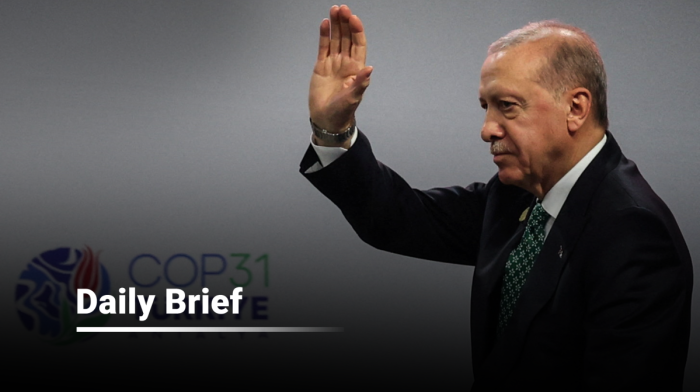
Here's your AnewZ COP31 Daily Brief for the 12th of November. During the third day of COP31, there were calls to move away from fossil fuels, Turkish President Recep Tayyip Erdoğan's climate warning, the environmental cost of war, Europe's scorching summer, and growing demands for climate funding.
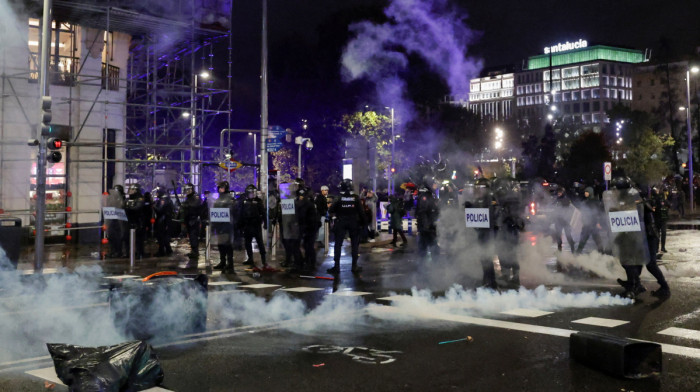
Clashes broke out between protesters and police in Barcelona as tens of thousands of people took to the streets across Spain for the country’s first general strike in 14 years, demanding action on rising living costs and the housing crisis.
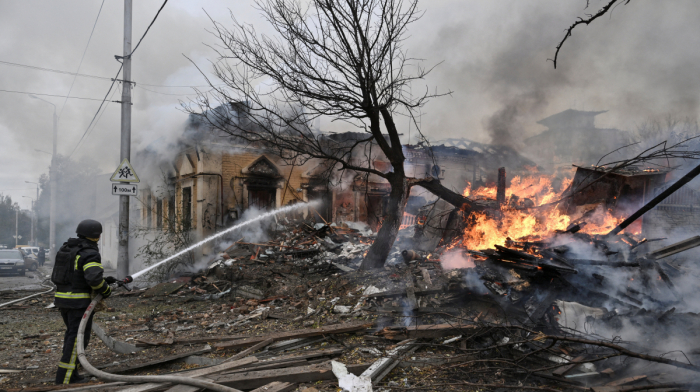
Russia and Ukraine exchanged drone attacks targeting their capitals early on Thursday, as U.S. envoys prepared to meet Russian President Vladimir Putin in Moscow following two days of peace talks that ended without a breakthrough on major issues.
Investigators found a sticky note bearing the names and mobile phone numbers of four left-wing public figures while searching the home of the suspect in last month’s deadly shooting near Paris, France’s national anti-terrorism prosecution office (PNAT) said on Wednesday.
You can download the AnewZ application from Play Store and the App Store.
What is your opinion on this topic?
Leave the first comment