AnewZ Morning Brief - 4 February, 2026
Start your day informed with AnewZ Morning Brief: here are the top news stories for the 4rd of February, covering the latest developments you need to ...
Poland to prioritise joint EU defence funding during its presidency, urging unity on security as a shared European goal. Ministers to explore funding options in April.
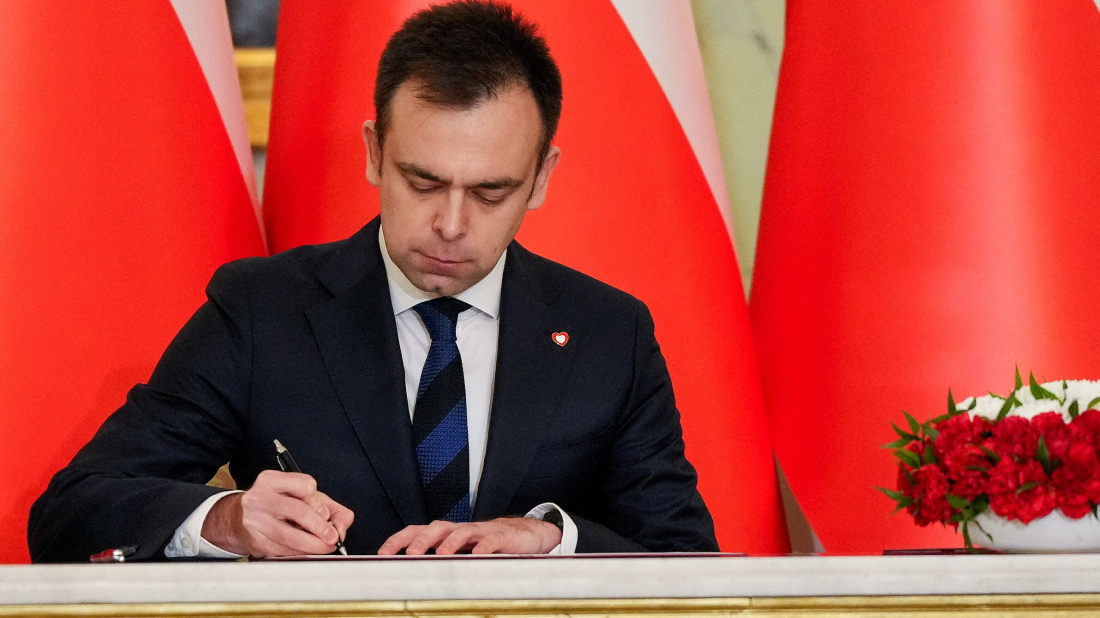
Poland will prioritise joint EU financing for defence during its upcoming presidency of the 27-nation bloc, highlighting security as a shared European responsibility, Finance Minister Andrzej Domanski announced on Wednesday.
The European Commission estimates that enhancing EU defence capabilities could cost over €500 billion within the next decade.
In April, EU finance ministers will meet in Warsaw to explore funding models. Domanski emphasised the need for a unified European approach, particularly for large-scale projects like a European air defence system, which require both funding and international cooperation.
He also called for greater efficiency, criticising Europe’s 12 separate tank systems as excessive. Potential financing solutions include leveraging the EU’s long-term budget for new borrowing, similar to the €800 billion COVID-19 recovery fund, or establishing a special purpose vehicle (SPV) with paid-in capital, akin to the European Stability Mechanism. The SPV option could involve non-EU nations, such as Britain and Norway, and keep control with governments rather than the European Commission.
Germany’s legal constraints on joint debt and the need for unanimous agreement among EU members present challenges. The financing needs will become clearer after EU Defence Commissioner Andrius Kubilius publishes a report in March outlining key priorities. However, discussions remain preliminary, with Domanski acknowledging that it is too early to decide on a specific model.

Talks with the U.S. should be pursued to secure national interests as long as "threats and unreasonable expectations" are avoided, President Masoud Pezeshkian posted on X on Tuesday (3 February).
Cuba’s Deputy Foreign Minister Carlos Fernández de Cossío has denied that Havana and Washington have entered formal negotiations, countering recent assertions by U.S. President Donald Trump, while saying the island is open to dialogue under certain conditions.
Mexico said it will stop sending oil to Cuba as U.S. President Donald Trump ramped up pressure on the Caribbean nation.
Iranian media outlets have backtracked on claims President Masoud Pezeshkian ordered a return to nuclear talks with the United States, fuelling fresh uncertainty over the state of diplomacy between the two rivals.
Web Summit Qatar 2026 opened in Doha on Sunday, drawing tens of thousands of founders, investors, policymakers and technology leaders to what organisers describe as one of the region’s largest digital economy gatherings.
Start your day informed with AnewZ Morning Brief: here are the top news stories for the 4rd of February, covering the latest developments you need to know.
U.S. Secretary of State Marco Rubio met with Indian Foreign Minister Subrahmanyam Jaishankar on Tuesday (February 3) one day after the U.S. and India signed a trade deal.
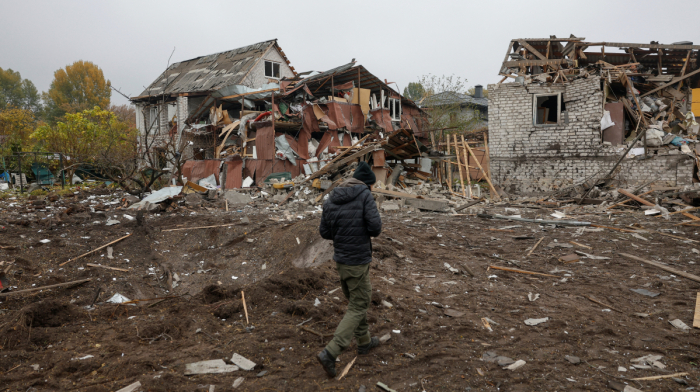
British Prime Minister Keir Starmer spoke to U.S. President Donald Trump on Tuesday and discussed the situation in Ukraine, including the overnight Russian attacks on the country, the UK government said.
U.S. President Donald Trump on Tuesday (3 February) signed a spending deal into law that ends a partial U.S. government shutdown and gives lawmakers time to negotiate potential limits on his immigration crackdown.
Ukrainian President Volodymyr Zelenskyy accused Russia on Tuesday (3 February) of exploiting a U.S.-backed energy ceasefire to stockpile weapons and launch large-scale drone and missile attacks on Ukraine ahead of peace talks.
You can download the AnewZ application from Play Store and the App Store.
What is your opinion on this topic?
Leave the first comment