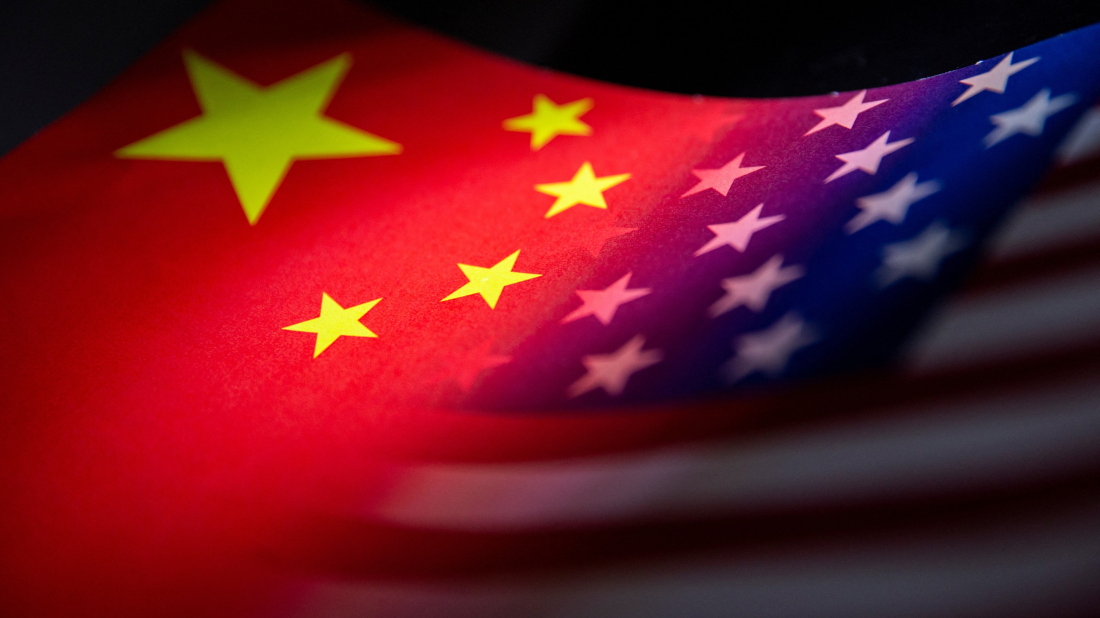
Beijing has warned the Trump administration against restoring steep U.S. tariffs next month and signalled it will retaliate against countries that cut China out of supply chains through bilateral deals with Washington.
The warning, issued through a commentary in the official People’s Daily on Tuesday, follows U.S. moves to reimpose high tariffs on Chinese goods unless a new agreement is reached by 12 August. The commentary urged dialogue and criticised what it called “bullying” tactics by the U.S.
“One conclusion is abundantly clear: dialogue and cooperation are the only correct path,” said the article, published under the pseudonym “Zhong Sheng”, which represents the Chinese Communist Party’s official stance on foreign affairs.
President Donald Trump has begun notifying trade partners of new tariffs due to take effect on 1 August. While most countries were given time to strike agreements, China faces import duties exceeding 100% unless a deal is reached.
The People’s Daily said China must uphold its “principled positions” to defend its rights and warned that Beijing would “respond resolutely” if third-party countries strike tariff deals with the U.S. that undercut Chinese trade.
The comments follow a June agreement between Beijing and Washington that temporarily eased tensions, but many details remain unresolved. The Peterson Institute for International Economics estimates current average U.S. tariffs on Chinese goods at 51.1%, with China’s duties on U.S. products averaging 32.6%.
China also responded to recent moves by regional economies. Last week, Vietnam secured a reduced U.S. tariff of 20%—down from 46%—on certain goods, while Chinese-origin items transshipped through Vietnam face a 40% levy.
The commentary said China “firmly opposes any side striking a deal that sacrifices Chinese interests in exchange for tariff concessions” and warned it would not tolerate arrangements that alter global supply chains to its detriment.
With a new deadline approaching and high tariffs looming, the risk of another full-blown trade dispute remains high. Markets are watching closely to see whether both sides will re-engage or return to retaliatory measures.

















What is your opinion on this topic?
Leave the first comment