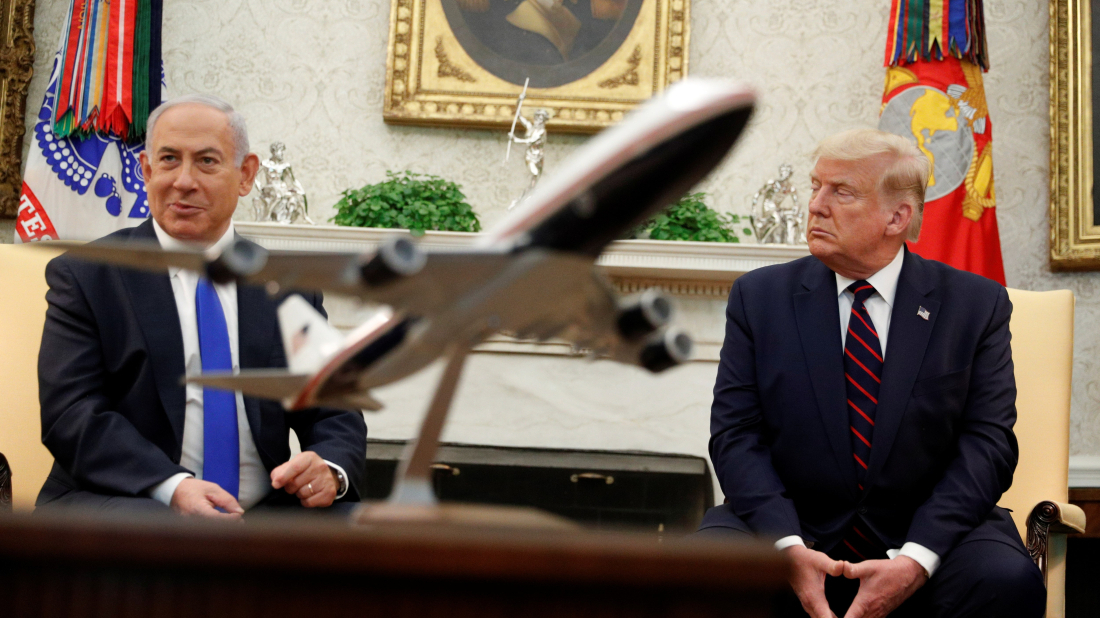
President Donald Trump said his administration will notify countries by 9 July of new U.S. tariff rates, as trade talks with key partners enter their final days ahead of a 1 August implementation deadline.
Despite promising to finalise 90 trade deals in 90 days, Trump has so far concluded only a limited agreement with the UK and a preliminary deal with Vietnam. Talks with other major trading partners remain unresolved, though The White House says progress is being made.
European Union
Talks with the 27-member European Union have yet to reach a breakthrough. A proposed 17% U.S. tariff on agricultural exports remains a major sticking point, alongside EU demands for exemptions on pharmaceuticals, semiconductors, and auto parts. Brussels has signalled willingness to accept a universal 10% tariff if sector-specific duties are lifted and existing tariffs on steel and autos are reduced.
Japan
Japan continues discussions amid U.S. pressure to import more rice and oil. Commerce Secretary Howard Lutnick and Japan’s Ryosei Akazawa held talks last week, but Trump said Japan could still receive a tariff notice, with rates possibly reaching 35%.
India
A long-promised trade deal remains elusive. India faces 26% U.S. tariffs and is resisting calls to open its agriculture and dairy markets. On Friday, New Delhi filed a complaint at the World Trade Organization (WTO) over a separate 25% tariff on auto parts, affecting $2.89 billion in exports.
Indonesia
Indonesia has offered to cut duties and import $500 million in U.S. wheat to avert a 32% tariff. Jakarta has also eased import licensing rules and plans a $34 billion aircraft and investment deal with U.S. firms this week.
South Korea
Despite low tariffs under an existing free-trade agreement, South Korea seeks a deadline extension. Its national security adviser is in Washington for talks, which also cover foreign exchange policy and defence cost-sharing for U.S. troops stationed on the peninsula.
Thailand
Bangkok is offering to increase U.S. imports of energy and aircraft to avoid a 36% tariff. Proposed concessions include market access for U.S. corn and industrial goods, as well as Thai investment projects aimed at creating American jobs.
Switzerland
Facing a possible 31% tariff, Switzerland is offering greater access for U.S. seafood and citrus while seeking assurances on pharmaceuticals, with major Swiss firms like Roche and Novartis heavily invested in the U.S.
Trump has said formal tariff notifications will be issued by 9 July, with rates taking effect on 1 August unless new deals are struck.














What is your opinion on this topic?
Leave the first comment