Belarusian President Alexander Lukashenko says Russian-made Oreshnik medium-range missiles will be deployed in Belarus by the end of 2025.
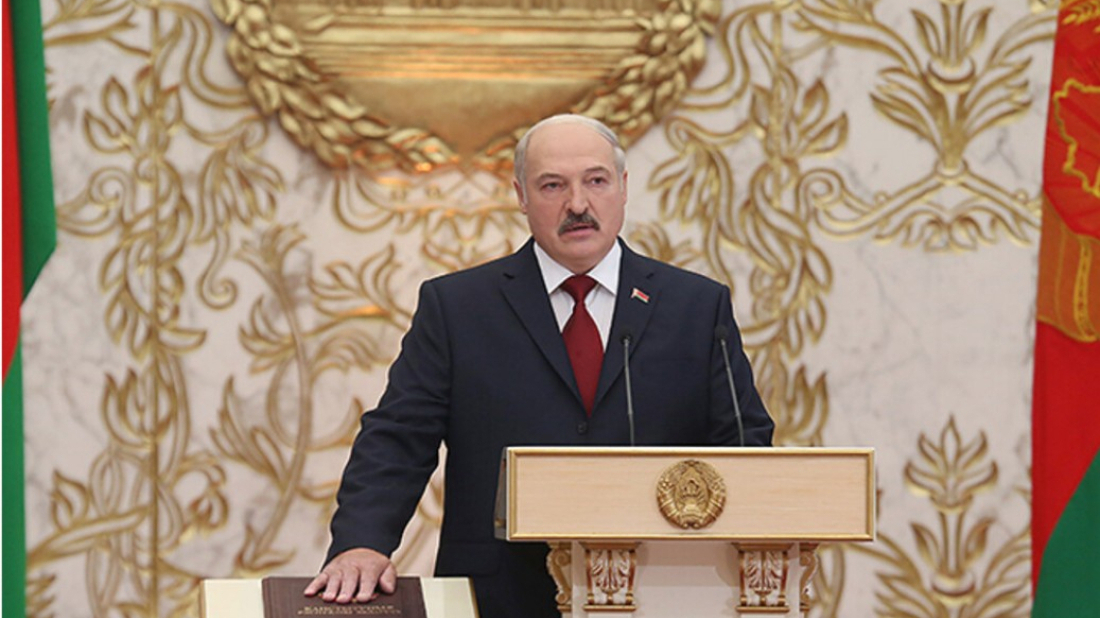
Belarusian President Alexander Lukashenko announced on Monday that the Russian-made “Oreshnik” medium-range missile system will be stationed on Belarusian territory by the end of this year.
He made the remarks during an address marking Belarus’ Independence Day, according to the state news agency BelTA.
“In Volgograd, we agreed with our ‘older brother,’ Vladimir Vladimirovich Putin, that the first Oreshnik positions will be in Belarus,” Lukashenko said. “You’ve already seen how the Oreshnik performs. By the end of the year, this weapon will be stationed in Belarus.”
The announcement follows several endorsements of the missile system by Russian President Vladimir Putin. On 23 June, Putin claimed the Oreshnik system had performed well under combat conditions in Ukraine.
“The serial production of the newest medium-range missile complex Oreshnik is being launched. It has proven itself very well in combat conditions,” Putin said.
Putin first introduced the missile on 21 November 2024, stating that it was used in response to Ukraine’s use of long-range Western-supplied weapons. He claimed the system, in its non-nuclear configuration, struck a Ukrainian defence industry site.
“In response to the use of Western long-range weapons against Russia, our forces used the newest domestically-produced Oreshnik medium-range ballistic missiles in non-nuclear configuration,” Putin said at the time. “The target was a Ukrainian military-industrial facility — the Yuzhmash plant.”
The Kremlin has not provided visual evidence to support these claims. Ukrainian officials have not confirmed whether Yuzhmash was hit by such a missile.
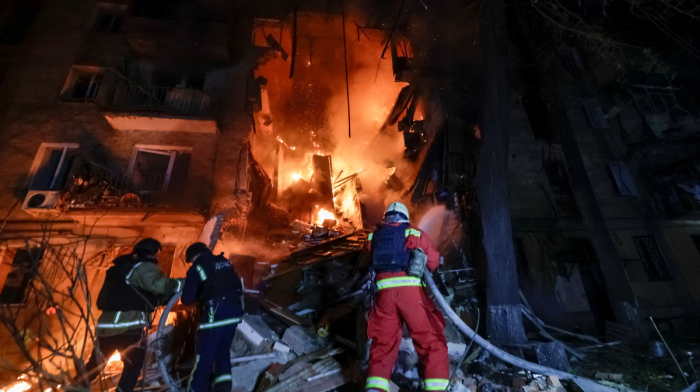
Later, Putin suggested decision-making centres in Kyiv could become targets for the Oreshnik system, referencing a strike on the city of Dnipro. No independent verification has linked that attack to the new missile.
The “Oreshnik” complex, also known as RS-26, remains largely classified. Russian officials describe it as a medium-range ballistic system operating below the 5,500-kilometre threshold defined by international arms control regimes. It is unclear whether the missile complies with any post-INF bilateral or multilateral agreements.
Western analysts have yet to confirm the system’s deployment on the battlefield or its production status.















What is your opinion on this topic?
Leave the first comment