With 189 football associations represented, shorter matches and smaller teams, Azerbaijan is hosting a different kind of World Cup, designed to give young players international experience.
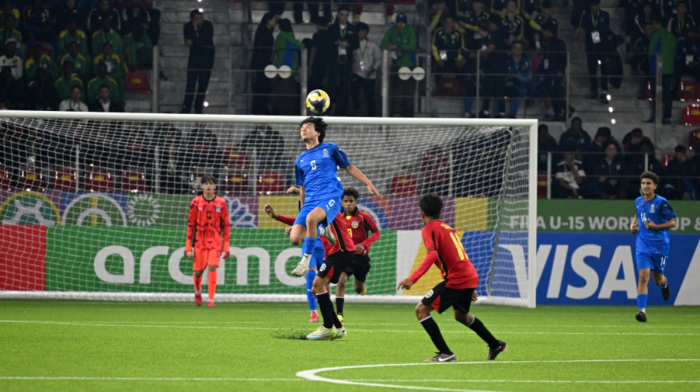
Two days into the inaugural FIFA U-15 World Cup & Festival 2026, Baku has become a meeting point for young footballers from around the world, with nearly 1,000 matches scheduled before the competition concludes on 30 October.
According to FIFA, the tournament brings together teams representing 189 member associations, with more than 3,000 players, coaches and officials taking part.
Unlike the adult World Cup, where teams must qualify for a limited number of places, the new competition aims to give young footballers from countries and territories of all sizes an opportunity to experience international football.
Eight players, 40 minutes: A different kind of World Cup
Forget the familiar 90-minute matches and 11-player teams.
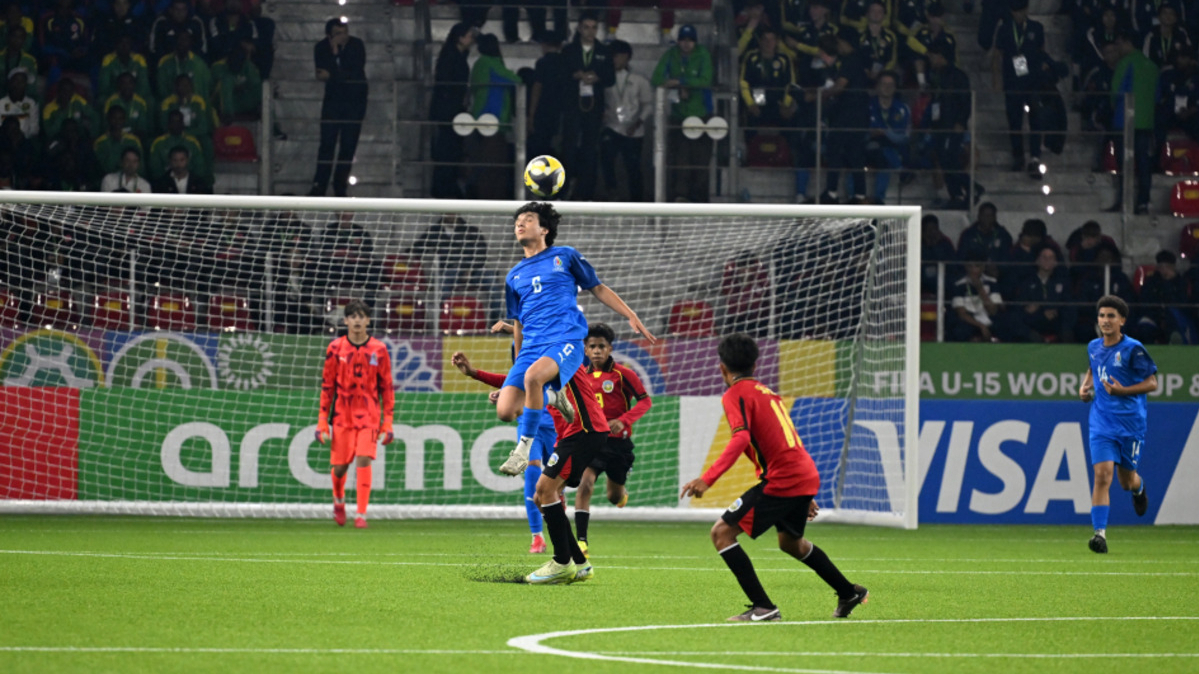
Under FIFA's tournament format, players compete eight against eight on smaller pitches, with matches lasting two 20-minute halves.
The condensed format allows organisers to stage up to 20 matches simultaneously at Baku's Hovsan Competition Complex.
And unlike the adult World Cup, losing a match does not necessarily mean an early journey home.
FIFA explains that teams first compete in groups before moving into six performance tiers based on their results. Every team continues playing until the final matchday, with the winner of the highest tier crowned champion.
The governing body's Chief of Global Football Development, Arsène Wenger, has said the competition is intended to expose young players to different footballing styles and provide international opportunities that are often unavailable to smaller footballing nations.
From the Pacific to Baku: More than football
For some visiting delegations, the tournament represents more than the results on the pitch.
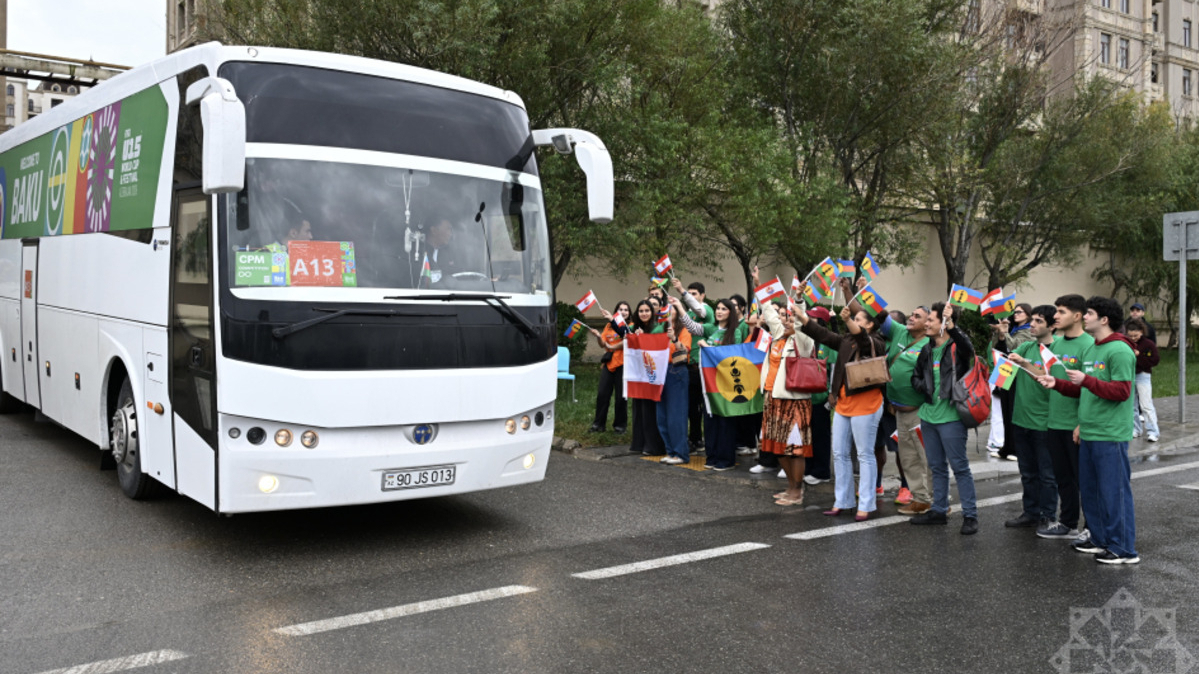
On 25 October, supporters from French Polynesia and Kanaky–New Caledonia gathered outside the Athletes' Village and at the Hovsan Competition Complex to encourage their young players, according to the Baku Initiative Group (BIG).
The organisation said the gatherings also highlighted the communities' cultural identities and traditions.
The gathering reflects the tournament's wider emphasis on bringing together young athletes and supporters from different cultures.
AnewZ also spoke with representatives from French Polynesia and Kanaky–New Caledonia during their visit to Baku, where the Baku Initiative Group held talks with civil and political activists on decolonisation, cultural identity and self-determination.
Tauhani Lesca, a representative from French Polynesia, praised Azerbaijan's hospitality and highlighted the importance of supporting the young footballers.
“We're here today to support our team from French Polynesia and Kanaky. And we are really grateful to be here and you have a magnificent country which is very impressive. We are very proud of our young players to be here. They're being recognised,” she told AnewZ.
Azerbaijan opens with a six-goal victory
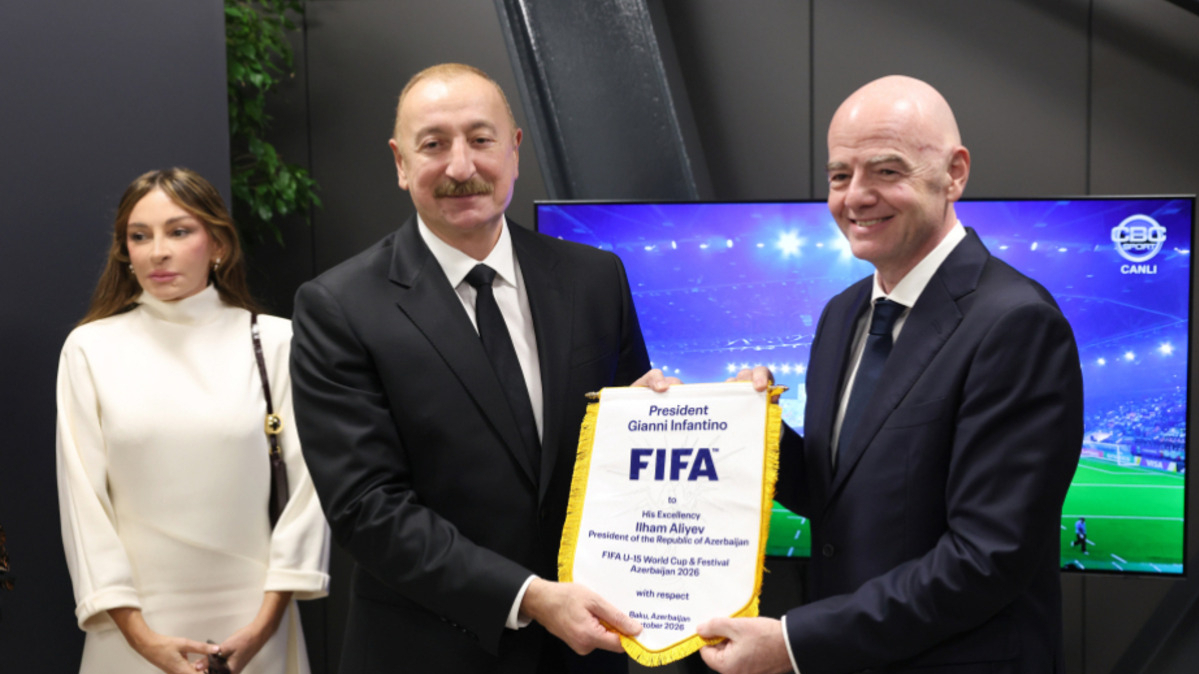
The competition officially opened at Baku Crystal Hall on 24 October, with Azerbaijani President Ilham Aliyev, First Lady Mehriban Aliyeva and FIFA President Gianni Infantino attending the ceremony.
Azerbaijan's young footballers marked the occasion with a 6-0 victory over Timor-Leste, according to Azerbaijan's state news agency Azertac.
Infantino subsequently thanked Azerbaijan's authorities and football officials for organising the competition, describing the opening ceremony as an historic occasion in a social media post reported by Azertac.
Most matches are being played at the Hovsan Competition Complex, while the tier finals are scheduled for Baku Crystal Hall on 30 October, according to FIFA.
What comes after Baku?
The 2026 edition features boys born in 2011 or 2012, but FIFA plans to expand the concept.
According to the governing body's tournament announcement, a girls' edition is scheduled for 2027, with separate boys' and girls' competitions planned from 2028 onwards.
FIFA says its wider objective is to make international football accessible to more young players, regardless of their country's size or previous success.
For the teenagers competing in Baku, the event offers an opportunity to test themselves against unfamiliar opponents, experience different football cultures and represent their communities on a global stage.
Read more from Baku:











What is your opinion on this topic?
Leave the first comment