British Prime Minister Keir Starmer was warned about former U.S. Ambassador's Epstein links
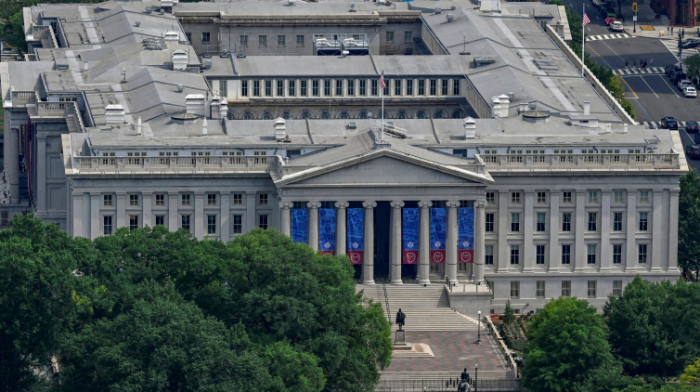
British Prime Minister Keir Starmer was warned about the "reputational risks" of appointing Peter Mandelson as U.S....
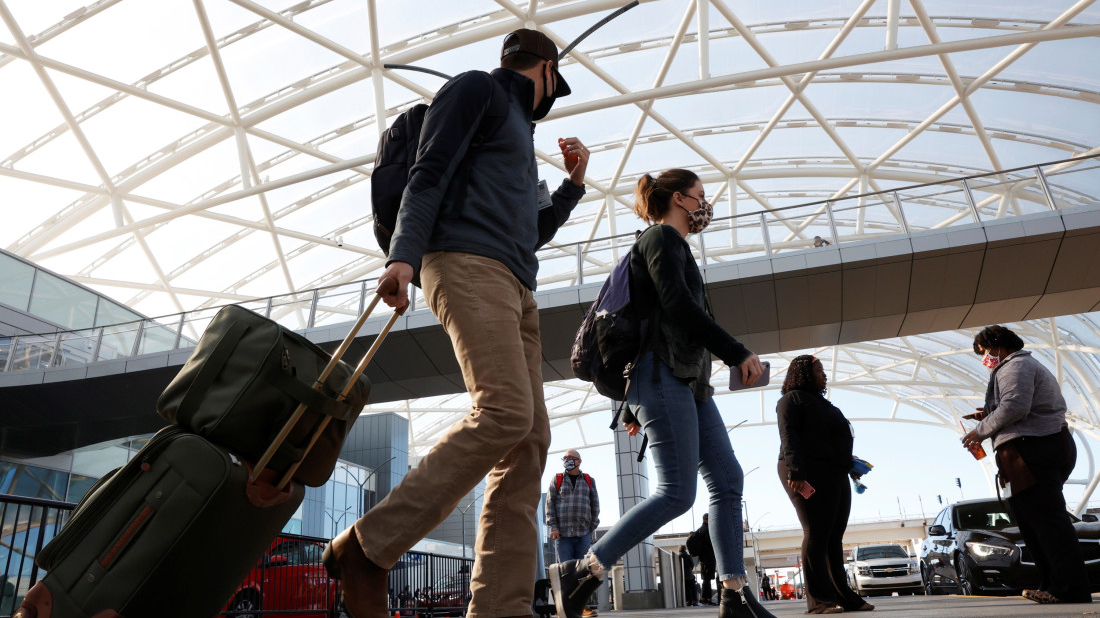
International tourism has made a remarkable recovery, reaching 96% of pre-pandemic levels in the first seven months of 2024, according to the latest data from the UN World Tourism Organization (UNWTO). This resurgence has been fueled by strong demand in Europe and the reopening of key markets in Asia and the Pacific.
The UNWTO's World Tourism Barometer reports that approximately 790 million tourists traveled internationally from January to July 2024, representing an 11% increase compared to the same period in 2023 and only 4% below 2019 levels. Despite global economic and geopolitical challenges, these results align with UNWTO's forecast of a full recovery in international arrivals by the end of the year.
All regions across the globe have shown significant growth, supported by increased air connectivity and improved visa facilitation measures. The Middle East led the way, with international arrivals rising 26% above 2019 levels, making it the fastest-growing region. Africa also saw a 7% increase in tourists compared to pre-pandemic figures.
Europe and the Americas showed strong recovery, reaching 99% and 97% of their pre-pandemic arrivals, respectively, during the January to July period. Meanwhile, Asia and the Pacific, which had been slower to reopen, recorded 82% of pre-pandemic tourist numbers, with steady growth reaching 86% in July.
Out of 120 global destinations, 67 had fully recovered their 2019 arrival numbers by mid-2024. Among the standout performers were Qatar, which saw a 147% increase in arrivals compared to 2019, and Albania, with a 93% rise. Other notable growth was recorded in El Salvador (+81%), Saudi Arabia (+73%), the Republic of Moldova (+50% through June), and Tanzania (+49% through June).
As international tourism continues to recover, the sector remains a vital driver of global economic growth, offering hope for a return to full strength in the months ahead.

The 32 countries belonging to the Internatioanl Energy Agency agreed to release 400 million barrels of oil on Wednesday (11 March), in efforts aimed at bringing down the price of crude oil, which has soared since fighting between Iran, Israel and the U.S. started at the end of February.
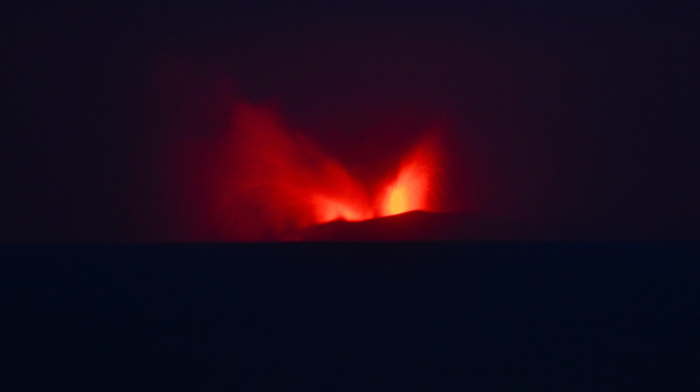
A towering lava fountain from Kilauea shot about 400 metres into the air late on Tuesday (11 March) on Hawaii Island, prompting temporary closures at Hawaii Volcanoes National Park and part of a key highway as volcanic ash and debris fell over nearby areas.
Norwegian police apprehended three brothers suspected of carrying out Sunday's (8 March) bombing at the U.S. embassy in Oslo, in an attack investigators have branded an act of terrorism.
China has raised the retail prices of petrol and diesel after global oil prices climbed sharply. The country’s top economic planning body, the National Development and Reform Commission (NDRC), announced the move after reviewing international oil market trends.
Explosive-laden Iranian boats reportedly attacked two fuel tankers in Iraqi waters on Wednesday, killing one crew member, after four other vessels were hit in the Gulf. The attacks, targeting ships linked to the U.S. and Europe, raise the total struck in the region.
The escalating conflict between the U.S., Israel and Iran is already hitting the Middle East travel and tourism sector hard, with the World Travel & Tourism Council (WTTC) estimating losses of at least $600 million per day in international visitor spending.
A towering lava fountain from Kilauea shot about 400 metres into the air late on Tuesday (11 March) on Hawaii Island, prompting temporary closures at Hawaii Volcanoes National Park and part of a key highway as volcanic ash and debris fell over nearby areas.
Emirates and Etihad Airways were resuming limited flight schedules to key global cities from their United Arab Emirates hubs on Friday (6 March), though the ongoing threat of missile fire piled pressure on airlines.
Air fares between Asia and Europe have surged after major Gulf hubs, including Dubai, partially reopened following closures linked to the conflict between Israel, the U.S. and Iran. Airlines are still rerouting flights around restricted airspace, cutting economy seat supply and pushing up prices.
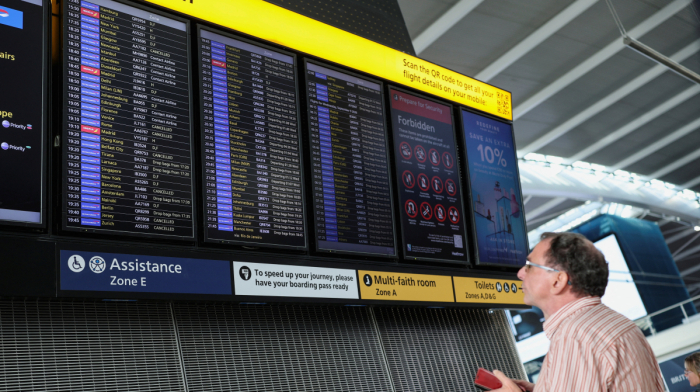
Global air travel remained in turmoil on Monday after U.S. and Israeli strikes on Iran and retaliatory strikes in the Gulf region prompted widespread airspace closures across the Middle East, disrupting one of the world’s most important aviation corridors.
You can download the AnewZ application from Play Store and the App Store.
What is your opinion on this topic?
Leave the first comment