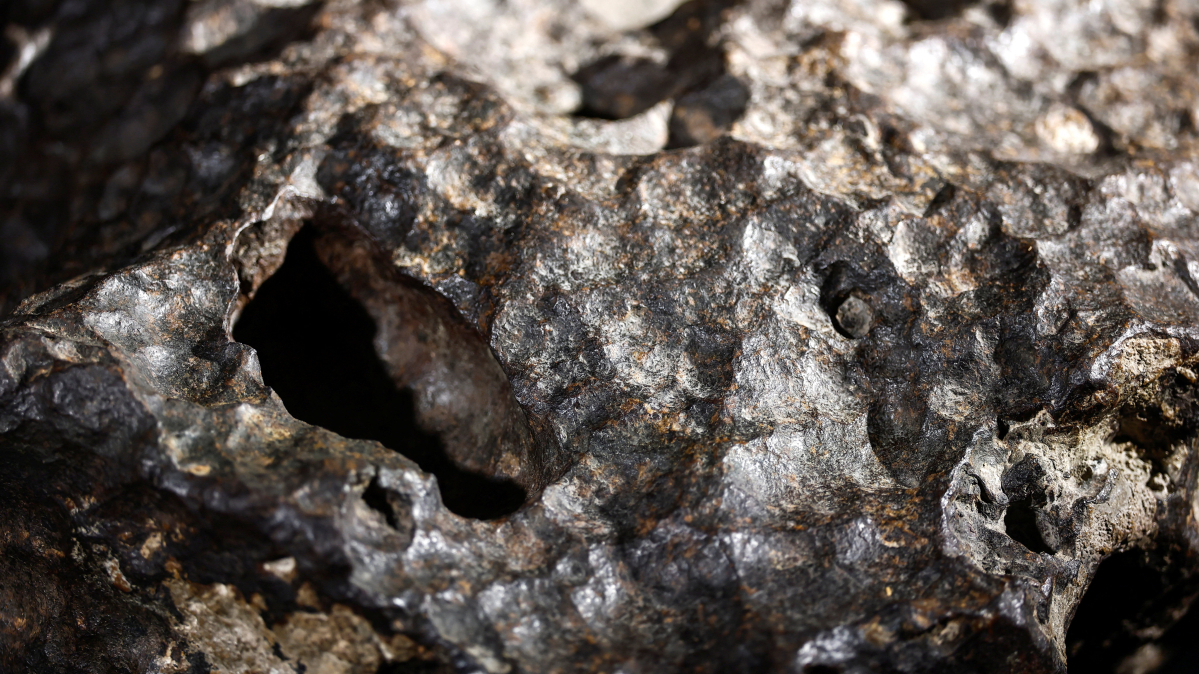
A remarkable discovery at the ancient ruins of Sanxingdui offers a glimpse into what appears to be otherworldly craftsmanship - an axe believed to have been made using material from a meteorite.
The artefact, uncovered during ongoing research at the site, has captured scientists’ attention for one striking reason - its metal composition.
Studies suggest it was made from a rare blend of metals that would have been extremely difficult, if not nearly impossible, for ancient people to produce using standard techniques available at the time.
The presence of meteorite material points to a surprising level of ingenuity, as well as access to resources that quite literally came from the sky.
Challenge to craft
What makes the discovery even more compelling is the difficulty of working with such material. Meteorite iron is tough and far harder to shape than ordinary metal.
Yet the axe shows signs of careful crafting, suggesting that ancient artisans not only recognised the value of the material but also found ways to work with it effectively.
For many researchers, this raises a broader question about just how advanced the metalworking skills of this civilisation were.
Site of mystery
The Sanxingdui site in south-western China has long been known for its strange and striking artefacts, from oversized bronze masks to intricate statues unlike anything found in other ancient Chinese cultures.
This latest find adds another layer of mystery to a civilisation that continues to surprise archaeologists.
Experts believe the axe may have been more than just a tool. In ancient times, objects made from materials that fell from the sky were often regarded as powerful or sacred.
The axe could have been used in rituals or as a symbol of status, linking its owner to something beyond the earthly world.
Rethinking ancient capabilites
The discovery is now prompting researchers to reconsider what ancient societies were capable of achieving. It suggests that early craftspeople were not only skilled but also experimental, willing to work with rare and challenging materials to create something truly unique.
As further studies continue, scientists hope to gain a clearer understanding of how the material was obtained and shaped.
For now, the meteorite axe stands as a powerful reminder that, even thousands of years ago, human creativity and curiosity may have reached far beyond what we once imagined - perhaps even to the stars.




















What is your opinion on this topic?
Leave the first comment