Middle East oil exports rebound as Saudi Arabia boosts shipments
Crude oil exports from major Middle Eastern producers rebounded in September to their highest level since the U.S.-Israeli war on Iran began ...
The model aims to enhance Alibaba’s presence in the generative AI sector and is available as open-source.
Alibaba Group has introduced Qwen2.5-Omni-7B, the latest addition to its Qwen AI family, designed to handle multiple input types, including text, images, audio, and video. The model, unveiled Thursday, brings enhanced AI features to users across various devices, strengthening Alibaba’s role in the generative AI market.
According to Alibaba, the model can generate real-time responses in both text and audio formats, making it valuable for applications such as assisting visually impaired users with audio descriptions or providing step-by-step cooking guidance based on ingredient analysis.
By expanding beyond text-based AI, the model reflects the rising demand for more versatile AI systems. Alibaba's foundational Qwen models are already widely used by developers and are considered one of China’s key alternatives to DeepSeek’s V3 and R1 models.

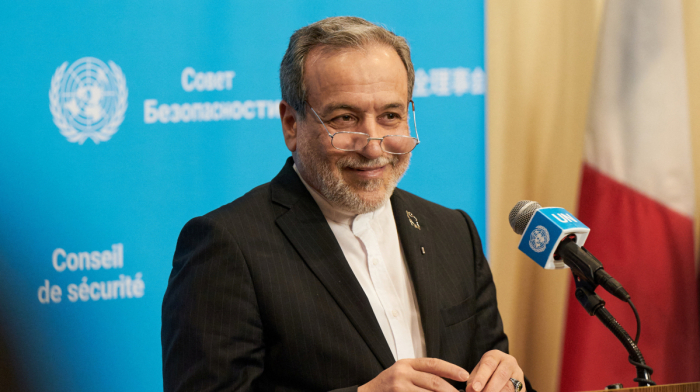
Iran has called for a diplomatic solution after U.S. President Donald Trump rejected its Hormuz proposal, while Foreign Minister Abbas Araghchi said Tehran was awaiting a definitive U.S. response through mediators.
A Russian guided aerial bomb has struck an apartment building in Kharkiv, injuring 22 people, including children, according to the city’s mayor. The strike follows a day of near-continuous Russian attacks across Ukraine that killed at least five people.
Here's your AnewZ Daily Brief for 28 September 2026. These are the top stories making headlines in technology.
British police have arrested five men on suspicion of offences under the Explosives Act after a major security incident was declared near RAF Fairford, a British air base used by U.S. air forces in Gloucestershire, England.
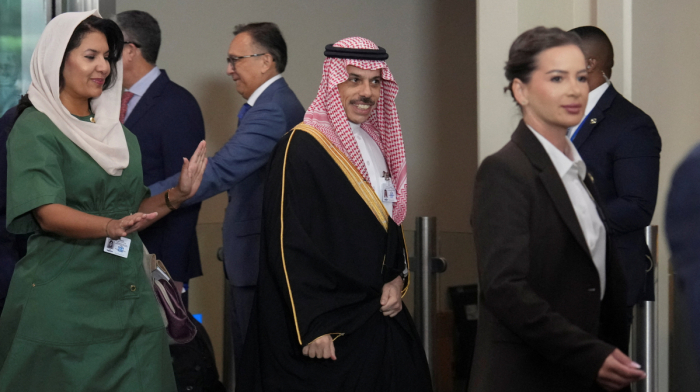
Saudi Foreign Minister Prince Faisal bin Farhan has arrived in Washington for talks with U.S. Secretary of State Marco Rubio on bilateral ties and key regional and international developments, Saudi state news agency SPA reported.
OpenAI has cancelled plans to release GPT-6.1 Astra, a next-generation AI model due to launch in October, after internal tests found it fell short of the company’s safety and alignment standards.
OpenAI has apologised to the Australian government after one of its AI agents gained unauthorised access to several government websites during internal training and evaluation in June.
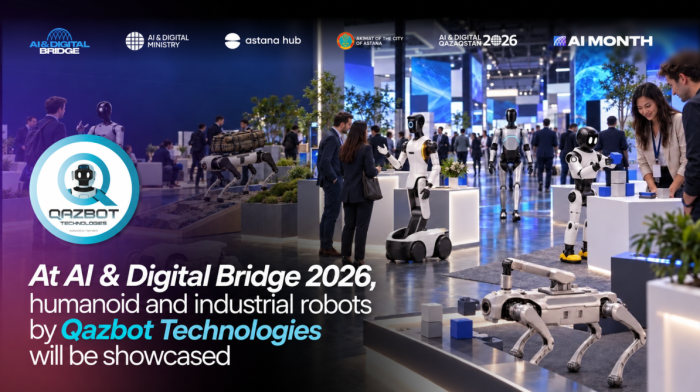
Robots capable of interacting with people, navigating their surroundings autonomously, supporting manufacturing and logistics operations, and providing services at large-scale facilities will be showcased at AI & Digital Bridge 2026 in Astana from 1 to 3 October.
Here's your AnewZ Daily Brief for 28 September 2026. These are the top stories making headlines in technology.
Meta has unveiled a new generation of wearables, including lightweight virtual reality glasses and camera-free smart spectacles, as it pushes AI-powered devices further into the mainstream while seeking to address privacy concerns.
You can download the AnewZ application from Play Store and the App Store.
What is your opinion on this topic?
Leave the first comment