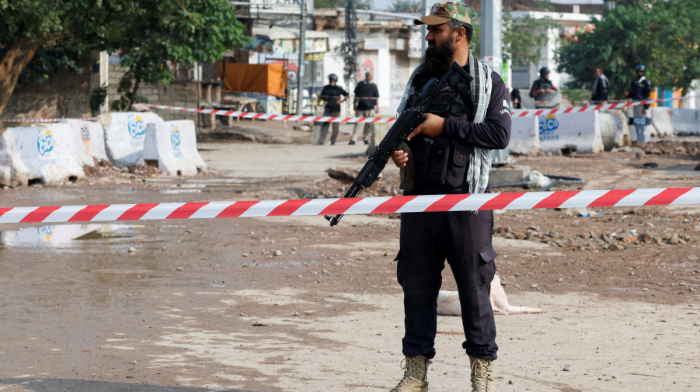
U.S.-Israeli strikes on Iran: What we know so far
The United States and Israel have carried out large-scale strikes on Iranian leadership and military targets, with Iranian state media confirming t...
Russia and Ukraine accused each other of new infrastructure attacks, despite a 30-day ceasefire agreed by President Vladimir Putin. Kyiv reported heavy drone strikes, while Moscow claimed to have intercepted Ukrainian drones. The tensions follow a call between Putin and Donald Trump on the conflict.
Moscow and Kyiv traded accusations over infrastructure attacks on Wednesday, just a day after Russian President Vladimir Putin agreed to a temporary halt on strikes targeting Ukrainian energy facilities.
Ukraine’s Air Force reported shooting down 72 out of 145 Russian drones launched across multiple regions, with strikes affecting Sumy, Odesa, Poltava, Dnipropetrovsk, Kyiv, and Chernihiv. A drone hit the roof of a hospital in Sumy’s Krasnopillia, while an infrastructure facility was damaged in Dnipropetrovsk’s Pavlohrad district.
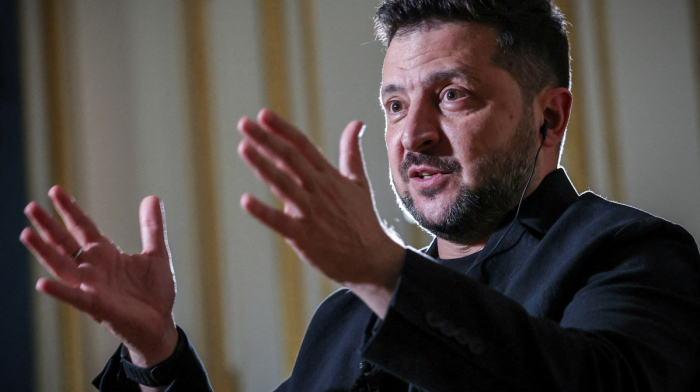
Ukrainian President Volodymyr Zelenskyy condemned Russia’s continued attacks, stressing the need for sustained international pressure through sanctions, military aid, and security guarantees. He insisted that only a full halt to strikes on civilian infrastructure could bring peace closer.
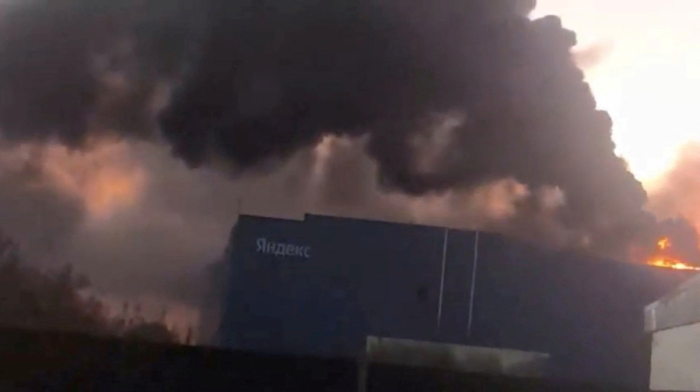
Meanwhile, Russia’s Defense Ministry claimed its air defenses intercepted 57 Ukrainian drones over several regions, with additional interceptions over the Sea of Azov. In the Krasnodar region, an oil depot caught fire near Kavkazskaya.
These developments followed a call between Putin and U.S. President Donald Trump, where they discussed Ukraine, Middle East tensions, and U.S.- Russia ties.
During the conversation, Putin agreed to a limited ceasefire on energy and infrastructure, which Zelenskyy later supported.

Follow the latest developments and global reaction after the U.S. and Israel launched “major combat operations” in Iran, prompting retaliation from Tehran.
Governments across the region responded swiftly to Israel’s strikes on Iran, closing airspace, issuing travel advisories and activating contingency plans amid fears of escalation.
Ayatollah Alireza Arafi has moved into a pivotal constitutional role following the death of Supreme Leader Ayatollah Ali Khamenei, becoming the clerical member of Iran’s temporary leadership council under Article 111 of the Constitution of the Islamic Republic of Iran.
A senior Iranian official has warned Israel to “prepare for what is coming”, insisting that Tehran’s response to the latest escalation in the Middle East will be made openly and without limits.
Ayatollah Ali Khamenei, Iran’s supreme leader for 36 years and the country’s highest political and religious authority, has died aged 86 following joint Israeli and U.S. strikes on his compound in Tehran.
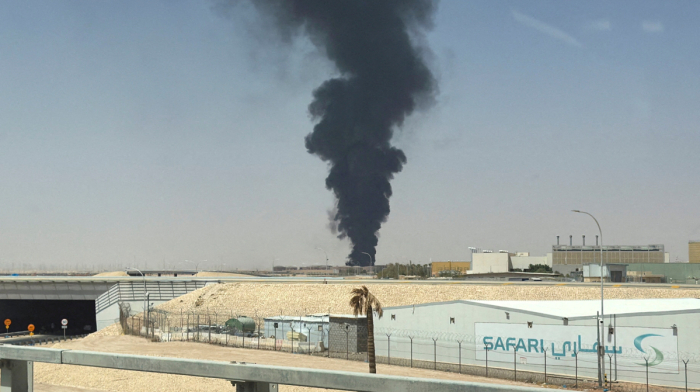
The United States and Israel have carried out large-scale strikes on Iranian leadership and military targets, with Iranian state media confirming that Supreme Leader Ayatollah Ali Khamenei was killed.
Follow the latest developments and global reaction after the U.S. and Israel launched “major combat operations” in Iran, prompting retaliation from Tehran.
Ayatollah Alireza Arafi has moved into a pivotal constitutional role following the death of Supreme Leader Ayatollah Ali Khamenei, becoming the clerical member of Iran’s temporary leadership council under Article 111 of the Constitution of the Islamic Republic of Iran.
A number of senior Iranian figures have reportedly been killed in Saturday’s joint U.S.–Israeli airstrikes on Iran, according to Iranian state media, Israeli military statements and international reporting. Some of the details remain unverified. .
The death of Iran’s Supreme Leader Ayatollah Ali Khamenei has triggered one of the most significant political processes in the Islamic Republic: the selection of a new Supreme Leader.
You can download the AnewZ application from Play Store and the App Store.
What is your opinion on this topic?
Leave the first comment