



20:40 CET
Military aid
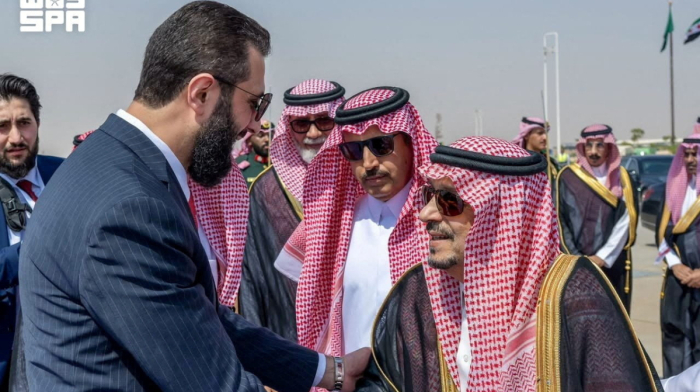
Syria weighs military aid for Saudi Arabia amid Yemen war, sources say
Syria is carefully considering providing...



The European Parliament has adopted a resolution condemning Georgian Dream’s attempt to ban opposition parties and calling for targeted sanctions against senior Georgian officials.
The resolution, titled “On attempts by the ruling party, Georgian Dream, to ban opposition parties in Georgia,” passed on Thursday with 445 votes in favour, 37 against and 97 abstentions.
MEPs are demanding the immediate withdrawal of the constitutional lawsuit seeking to ban opposition parties and reiterate calls for targeted sanctions and visa restrictions against Georgian Dream founder Bidzina Ivanishvili, Prime Minister Irakli Kobakhidze, Parliament Speaker Shalva Papuashvili and Tbilisi Mayor Kakha Kaladze.
The resolution also turns criticism towards the EU itself, arguing that Brussels and member states have failed to impose sufficiently tangible consequences in response to developments in Georgia. That issue was central to a three-hour debate in Strasbourg on Wednesday, where MEPs clashed over Georgia’s political direction and the EU’s response.
European Enlargement Commissioner Marta Kos told MEPs that EU foreign ministers will hold a dedicated discussion on Georgia at the Foreign Affairs Council next week. Asked about expanding the suspension of visa-free travel and introducing targeted sanctions, Kos said the EU could only act as far as member states were prepared to go.
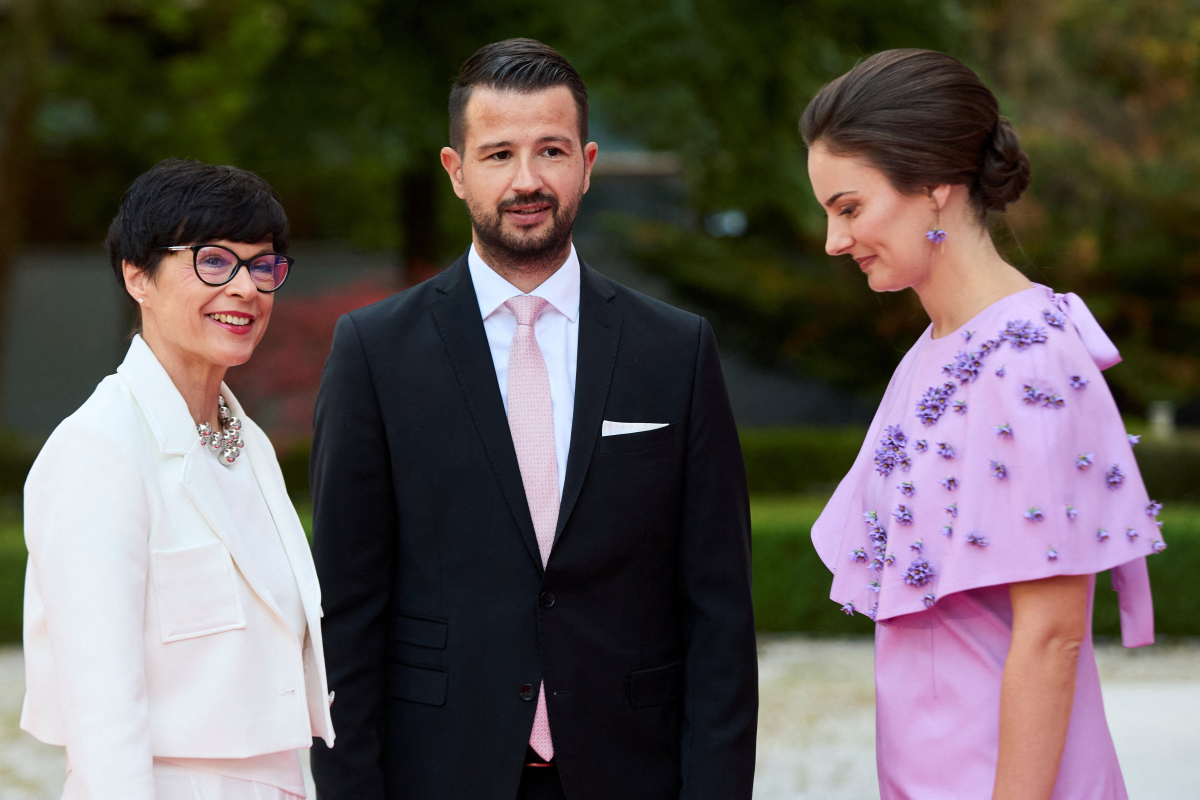
The debate also produced a sharp counterargument from German Alternative for Germany (AfD) party MEP Tomasz Froelich. He accused the EU of double standards, arguing that MEPs were criticising Georgia over plans to ban opposition parties while there are also calls in Germany to ban the AfD.
He pointed to the banning of more than 20 political parties in Ukraine and questioned why the EU had responded differently in that case. Other MEPs took a sharply different position, arguing that the attempt to ban opposition parties further distances Georgia from the EU.
European Parliament Foreign Affairs Committee Chair David McAllister described the move as another step towards authoritarianism and referred to the European Commission’s description of Georgia as a “candidate country in name only”.
German MEP Tobias Cremer called for sanctions against Bidzina Ivanishvili, while Lithuanian MEP Dainius Žalimas argued that the EU’s response had been inadequate and urged Brussels to match sanctions already imposed by the U.S., UK and some individual EU member states.
Another German MEP, Lukas Sieper, also argued that Georgia’s EU membership could remain decades away under the current government, putting the timeline at around 20 years, or 10 “if everything goes well”.
Legal Affairs Committee Chairman Archil Gorduladze described the European Parliament’s resolution as politically motivated and accused Brussels of repeatedly attempting to pressure Georgia’s government and supporters into changing course.
Gorduladze said the European Parliament had adopted nine previous resolutions targeting Georgia which, in his view, had failed to change the government’s position. He also accused the EU of seeking to turn Georgia into a “proxy state” and said such resolutions challenged the country’s sovereignty.
The latest confrontation comes as Georgia’s EU accession process remains effectively halted.
In November 2024, Georgian Dream announced that the government would not pursue the opening of EU accession negotiations until 2028. The decision triggered mass pro-European protests across Georgia and deepened an already serious dispute between Tbilisi and Brussels.
The EU has since said Georgia’s accession process has been de facto halted, citing concerns over the government’s course and democratic reforms. The European Parliament’s resolution now moves the focus to EU member states.
Its calls for sanctions are not binding on national governments, while Marta Kos’s remarks underlined that further measures will depend on whether member states agree to take them. With Georgia set to be discussed by EU foreign ministers next week, the question now is whether the Parliament’s demands will translate into concrete action by the bloc’s governments.

Syria is carefully considering providing...

Scientists, astronauts and space industry leaders gathered in Antalya, Türkiye, on Thursday for the fourth day of the 77th International ...
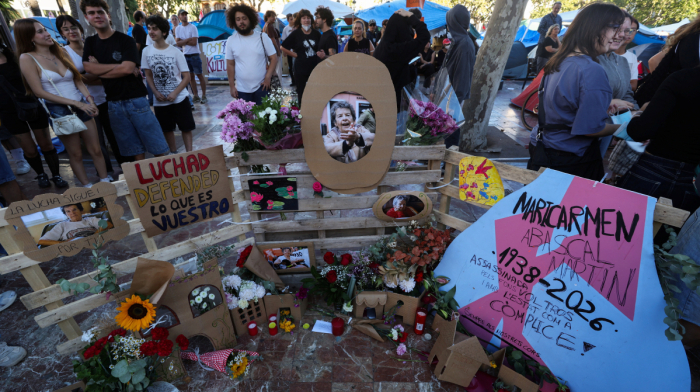
Spanish politicians traded blame on Thursday after the death of an 87-year-old woman who was evicted from her Madr...

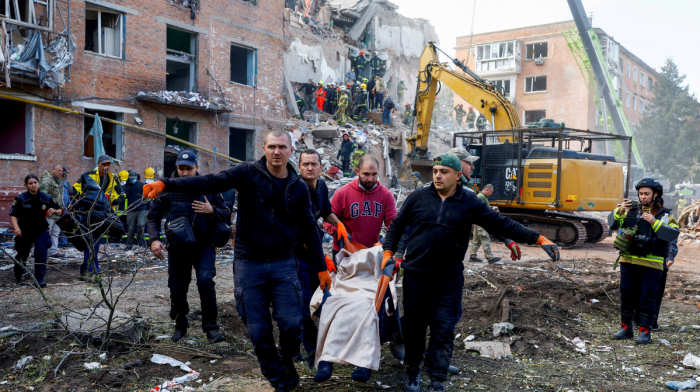
Russia struck Ukraine overnight in one of the biggest attacks of the conflict, killing at least 19 people, Kyiv's Foreign Ministry said on Wednesday. Around 70 missiles were fired at Ukraine during the attack, as well as drones, the Ministry said.

The Saudi-led coalition says it has carried out a series of military operations against Houthi targets in Yemen after attacks on two Saudi airports left three people dead and dozens injured.
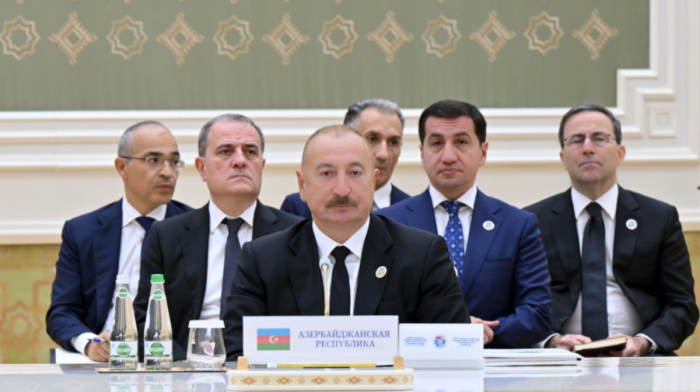
Azerbaijan and the five Central Asian states have signed two key documents at the 8th Consultative Meeting of Heads of State in Turkmenbashi, formalising a broader framework for regional cooperation in transport, trade, energy, digitalisation and security.
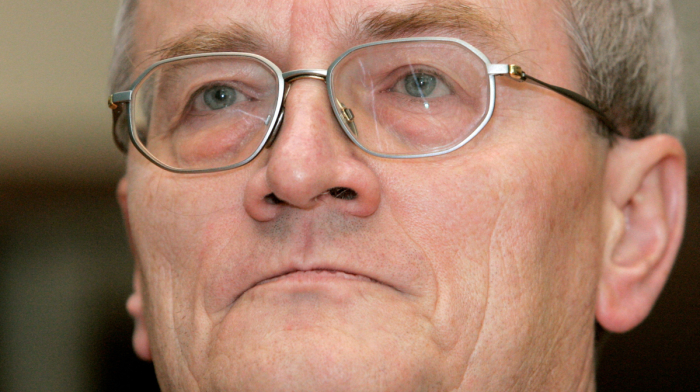
An investigation into August Hanning, the former head of Germany’s Federal Intelligence Service (BND), has no connection to Azerbaijan, informed sources have told AnewZ.

It started with classrooms. Too many students, not enough teachers, deteriorating buildings and growing anxiety over what comes after high school. But within weeks, a movement that began outside French lycées had spread across the country.
Syria is carefully considering providing military assistance to key ally Saudi Arabia amid an escalating war against the Iran-backed Houthis in Yemen, a U.S. official and a Syrian military official briefed on the matter said.
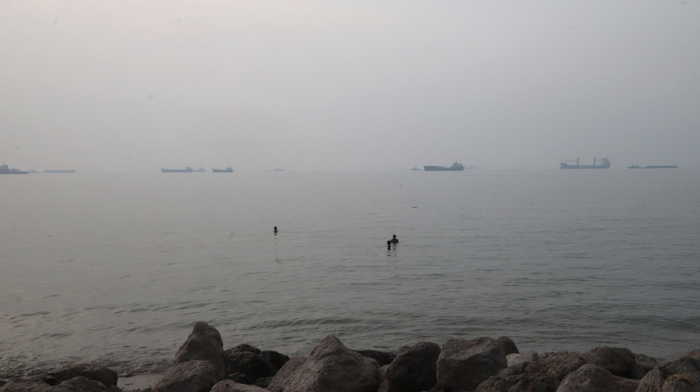
Iran is reviewing a U.S. response to Tehran's proposal to reopen the Strait of Hormuz within seven days, with Foreign Minister Abbas Araghchi saying a reply could come within days.
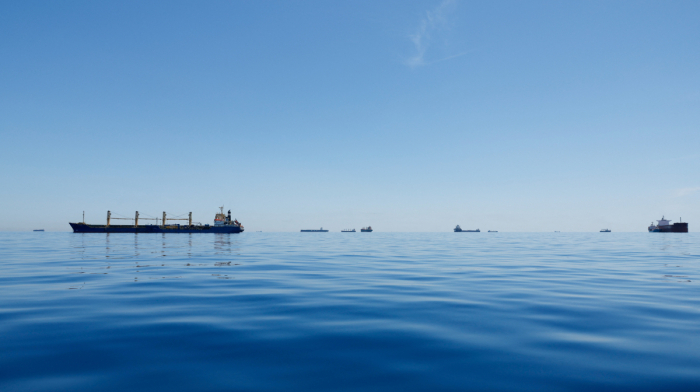
Central Asian countries have agreed on water withdrawal limits and reservoir operating plans for the 2026-2027 non-growing season, with inflows into Kazakhstan’s Shardara Reservoir -- a crucial water source for agriculture --expected to reach around 10 billion cubic metres.
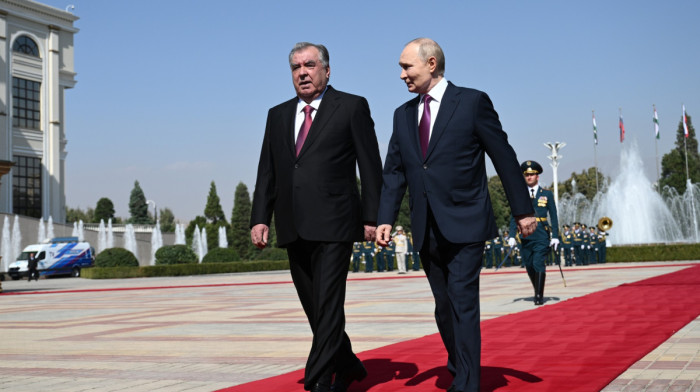
Tajikistan has begun the process of leaving the International Criminal Court, citing what it calls growing politicisation and bias in the court’s work.
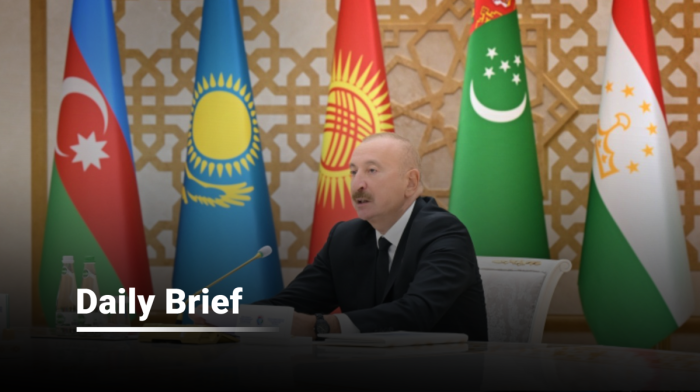
Here's your AnewZ Daily Brief for 8 October 2026. These are the top five stories from the region.
You can download the AnewZ application from Play Store and the App Store.




What is your opinion on this topic?
Leave the first comment