live European leaders meet in Dublin for security talks as Aliyev holds key bilateral meetings
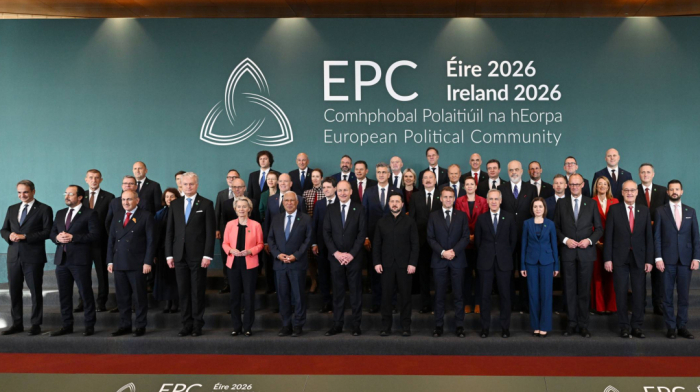
European leaders gathered in Dublin on Thursday, 12 November, for the ninth European Political Community (EPC) summit, with security, defence, ener...
Georgia has detained a man who planned to sell uranium-238 to a foreign national for $700,000, the national security service said on Wednesday.
The suspect faces up to 10 years in prison under Article 230 of the Criminal Code, which covers the illegal purchase, possession, and disposal of radioactive substances.
The Security Service released footage showing armed officers pulling a man from a white sedan and handcuffing him on the ground.
The footage also showed agents using a handheld radiation detector to examine two small containers in the trunk of the vehicle. One appeared to contain a light-coloured powder.
The Security Service described the case as a transnational crime and said the material could potentially have been used to make a bomb. However, the origin of the uranium and its intended destination have not been disclosed.
Uranium-238 is the most common uranium isotope. Although it is radioactive, it is not ordinarily usable on its own to make a nuclear bomb.
It was not immediately possible to contact the suspect or a legal representative for comment.
The case follows a similar incident in February, when Georgia detained two people who allegedly attempted to purchase $3 million worth of uranium, along with a cache of a radioactive isotope associated with nuclear weapons testing programmes.
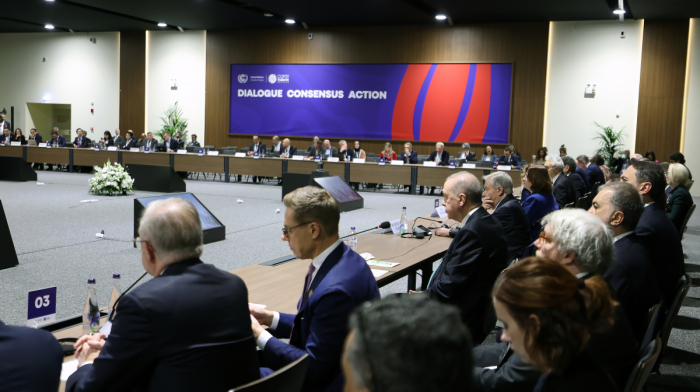
UN Secretary-General António Guterres delivered a stark warning at this year's COP31 summit, saying the climate crisis iss advancing faster than governments' efforts to contain it.
European leaders gathered in Dublin on Thursday, 12 November, for the ninth European Political Community (EPC) summit, with security, defence, energy cooperation and economic resilience topping the agenda. Azerbaijan’s role in regional peace and connectivity was also in focus.
Here's your AnewZ Daily Brief for 11 November. Today, we cover Russia-Ukraine peace talks, political tensions in Washington, strikes in Spain, espionage allegations involving Nvidia's CEO, and climate negotiations at COP31 in Türkiye.
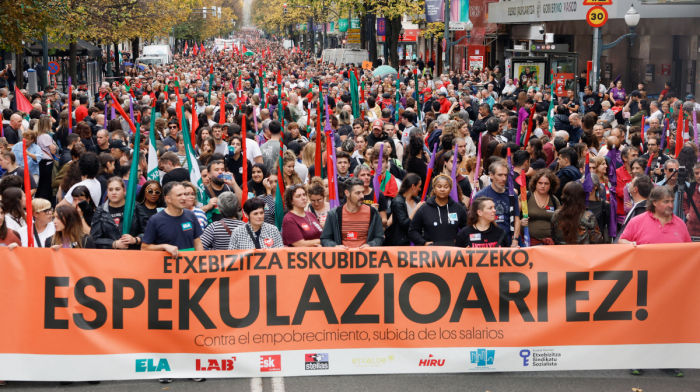
Four million workers across Spain joined a general strike on Wednesday over the country’s deepening housing crisis, unions said, bringing disruption to factories, ports, shops and public transport just weeks before a snap general election.
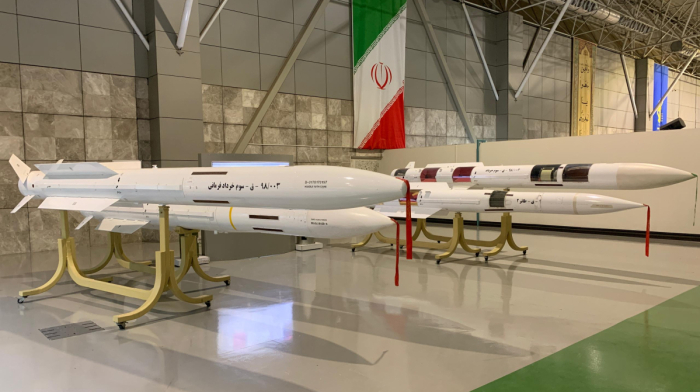
Iran has unveiled a new underground missile and drone base, warning that it will respond forcefully to any attack, as tensions persist with the U.S. and oil tankers continue to be struck by naval mines in the Strait of Hormuz.
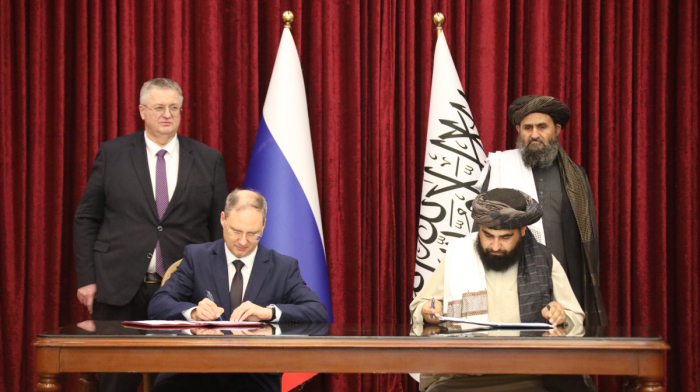
Afghan and Russian businesses signed 15 trade agreements worth $103 million in Kabul on Thursday during a visit by Russian Deputy Prime Minister Alexei Overchuk, Afghanistan’s government said.
Rising demand for air cargo and expanding international aviation networks are opening up new trade opportunities for Central Asia and the South Caucasus, as countries invest in airports and strengthen their roles in global supply chains.
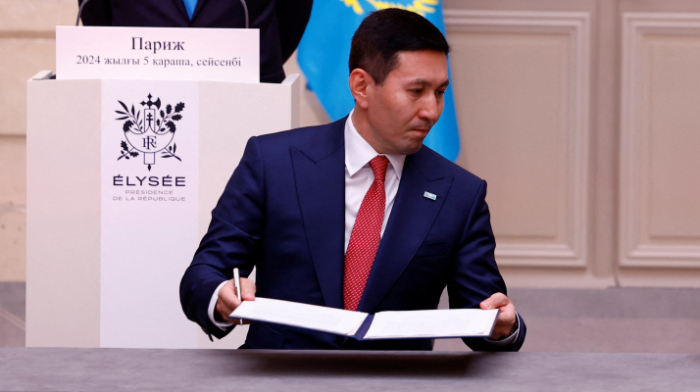
Kazakhstan’s security service has arrested Nurlan Zhakupov, CEO of Samruk-Kazyna, the country’s sovereign wealth fund, on suspicion of corruption. Yelzhas Otynshiyev, Chairman of KTZ, Kazakhstan’s national railway firm has also been detained.
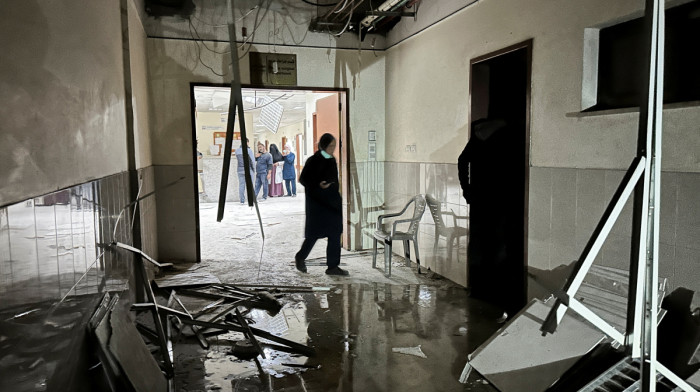
An Israeli airstrike on Nasser Hospital in southern Gaza has killed at least six people, including a surgeon, and wounded 20 others, according to Gaza’s civil defence service.
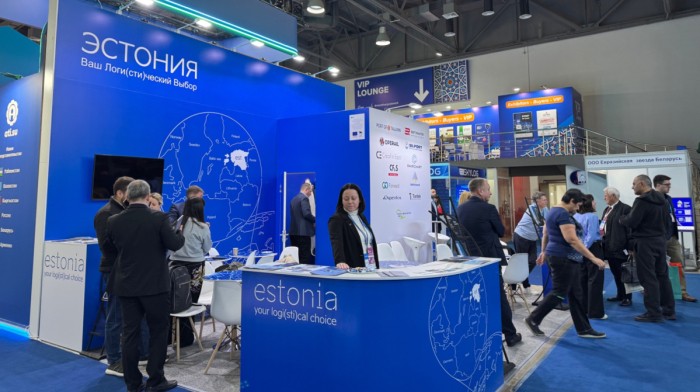
The competitiveness of international trade depends on how efficiently goods move across borders. These issues are in focus at the 22nd International Exhibition of Transport and Logistics – TransLogistica Uzbekistan 2026, taking place in Tashkent, Uzbekistan, from 10 to 12 November.
You can download the AnewZ application from Play Store and the App Store.
What is your opinion on this topic?
Leave the first comment