




15:42 CET
Russia-Ukraine
live Russian strikes kill three, damage dozens of power facilities
Russian strikes killed ...


As cities expand and climate pressures intensify, access to safe water and sanitation is becoming one of the world’s most urgent urban challenges.
At the World Urban Forum (WUF13) in Baku, U.N. agencies, local governments and urban experts warned that millions of urban residents still lack basic services, exposing deep structural inequalities.
The session examined how housing, land rights, and water, sanitation and hygiene (WASH) services must be better integrated to build inclusive and resilient cities ahead of the 2026 U.N. Water Conference in Abu Dhabi.
Discussions highlighted the disproportionate burden faced by people living in informal settlements. Many families continue to experience unsafe water, inadequate sanitation, insecure housing and growing exposure to climate-related risks.
Participants stressed that these overlapping vulnerabilities require coordinated solutions. Access to water and sanitation, they argued, is not only a development issue but also a fundamental determinant of living conditions and public health.
A central theme of the session was the recognition of water as a universal entitlement. Rocío Lombera González, general coordinator of international affairs in Mexico City, said: “Water is a human right. Water is a shared resource belonging to all humanity and to all residents.”
This framing shaped calls for stronger policy commitments, particularly for marginalised communities lacking formal land ownership or legal recognition.
Climate change is compounding existing challenges. While some cities are experiencing heavier rainfall, this does not necessarily translate into improved access to water.
Rose Molokoane, co-founder of Slum Dwellers International, explained: “Water scarcity, even though we’ve got a lot of rain… is not relevant because it creates flooding and the rain just moves away.”
She added: “It is important to build more reservoirs that can contain enough water for our communities.”
The comments underscored the need for infrastructure capable of both managing excess water and securing supply during periods of shortage.
Local authorities were identified as critical actors in addressing the crisis. Municipal leaders highlighted their direct responsibility for delivering essential services.
González added: “As governments, we carry the responsibility of providing these services to the population every day, and we face these challenges more directly than any other level of administration.”
Speakers also called for stronger recognition of local governments in global policymaking, particularly at the upcoming U.N. Water Conference.
Delegates emphasised the importance of embedding WASH services within broader urban strategies, including slum upgrading, land governance and city planning frameworks. Without secure tenure and inclusive policies, many communities remain excluded from essential services.
A key outcome of the session was the launch of a roadmap linking WUF13 to the 2026 U.N. Water Conference. The plan aims to support cities in developing climate-resilient WASH systems and securing long-term financing.
Development banks, utilities and local experts presented successful urban case studies, demonstrating that progress is possible through effective collaboration. However, participants agreed that scaling these solutions will require stronger partnerships and sustained political commitment.
The broader implications were also clear. González warned that failure to address water inequality “could otherwise become a source of future global conflict.”
The session concluded with a unified message: achieving Sustainable Development Goal 6 - universal access to water and sanitation - will depend on inclusive planning, integrated policy and targeted investment in the communities most in need.
As momentum builds towards the 2026 conference in Abu Dhabi, discussions in Baku have laid the groundwork. The challenge now is to turn commitments into tangible change for millions still living without safe water at home.

Russian strikes killed ...

Greek students braved heavy rain to pitch tents outside parliament in Athens on Tuesday, demanding affordable housing and more education funding as...

A former gang leader ...

The Saudi-led coalition in Yemen said late Monday that it intercepted and destroyed two ballistic missiles launched by the Houthi group toward Khamis Mushait in southwestern Saudi Arabia.
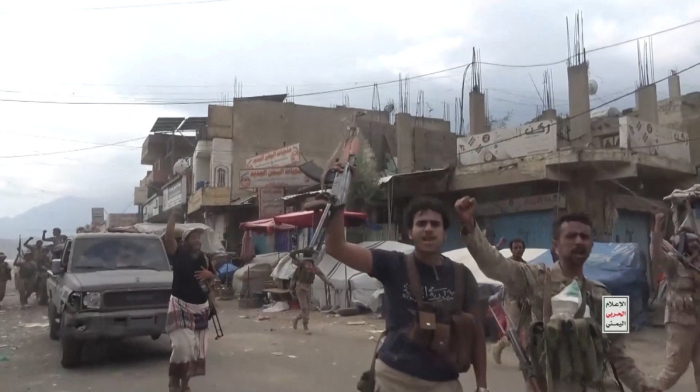
Yemen’s Houthis have claimed responsibility for the recent drone and missile strikes on Saudi Aramco facilities in Dhahran and Riyadh and at King Khalid International Airport in Saudi Arabia, vowing to carry out more attacks in the coming days.
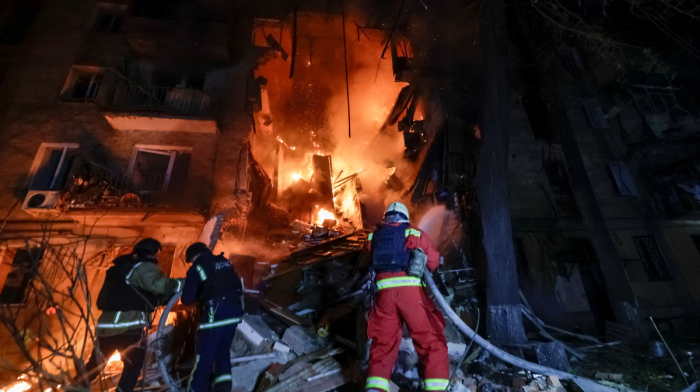
Ukrainian President Volodymyr Zelenskyy says Russia hit at least six energy targets in deadly strikes across Ukraine, showing Moscow is unwilling to accept the energy ceasefire announced by U.S. President Donald Trump.
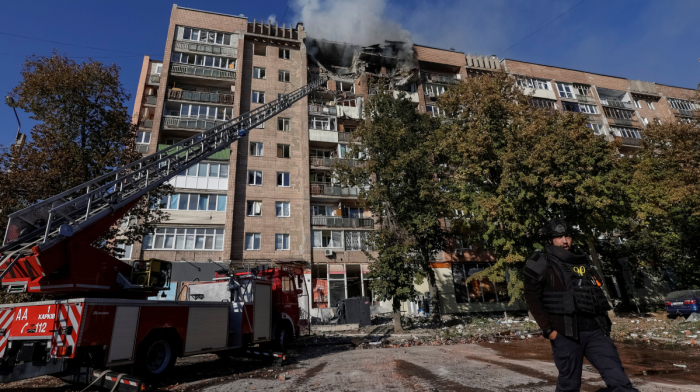
The Kremlin on Monday rejected a 60-day ceasefire idea proposed by Ukrainian President Volodymyr Zelenskyy to allow his country to hold presidential elections, saying it wanted an overall peace deal instead.

Thousands of young Georgians leave the country each year in search of better economic opportunities, with many moving west. As questions grow over Georgia’s European path, AnewZ spoke to people who have emigrated about what it would take for them to return.
Yemen’s Houthis have claimed responsibility for the recent drone and missile strikes on Saudi Aramco facilities in Dhahran and Riyadh and at King Khalid International Airport in Saudi Arabia, vowing to carry out more attacks in the coming days.
The Saudi-led coalition in Yemen said late Monday that it intercepted and destroyed two ballistic missiles launched by the Houthi group toward Khamis Mushait in southwestern Saudi Arabia.
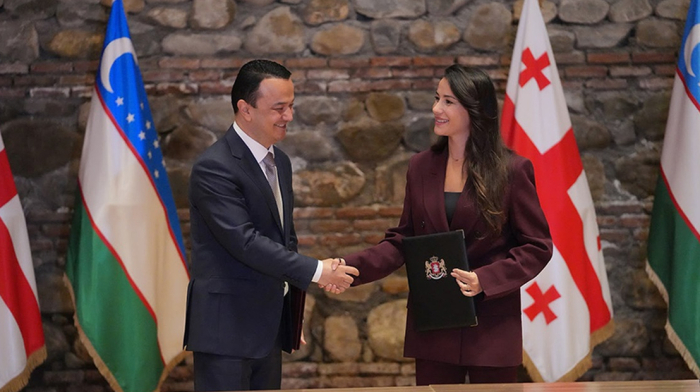
Georgia and Uzbekistan are aiming to nearly quadruple annual trade to $1 billion, up from $267.6 million in 2025, as the two countries seek to strengthen economic ties and expand transport links.

Iran has warned against the military use of Starlink, saying it has developed domestic technology capable of countering cyber threats linked to the satellite internet service.
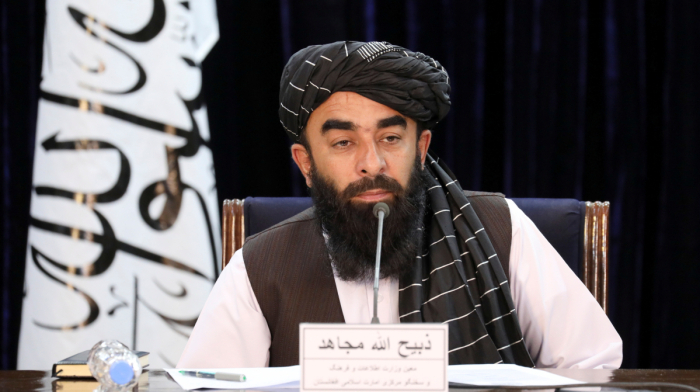
Afghanistan has accused Pakistan of blaming Kabul for its domestic political and security problems, as Islamabad repeated claims that militants are using Afghan territory to launch attacks across the border.
You can download the AnewZ application from Play Store and the App Store.




What is your opinion on this topic?
Leave the first comment