Georgia has been described as unavoidable in Europe’s new connectivity plans linking the EU to Central Asia, but increasingly unpredictable at the same time.
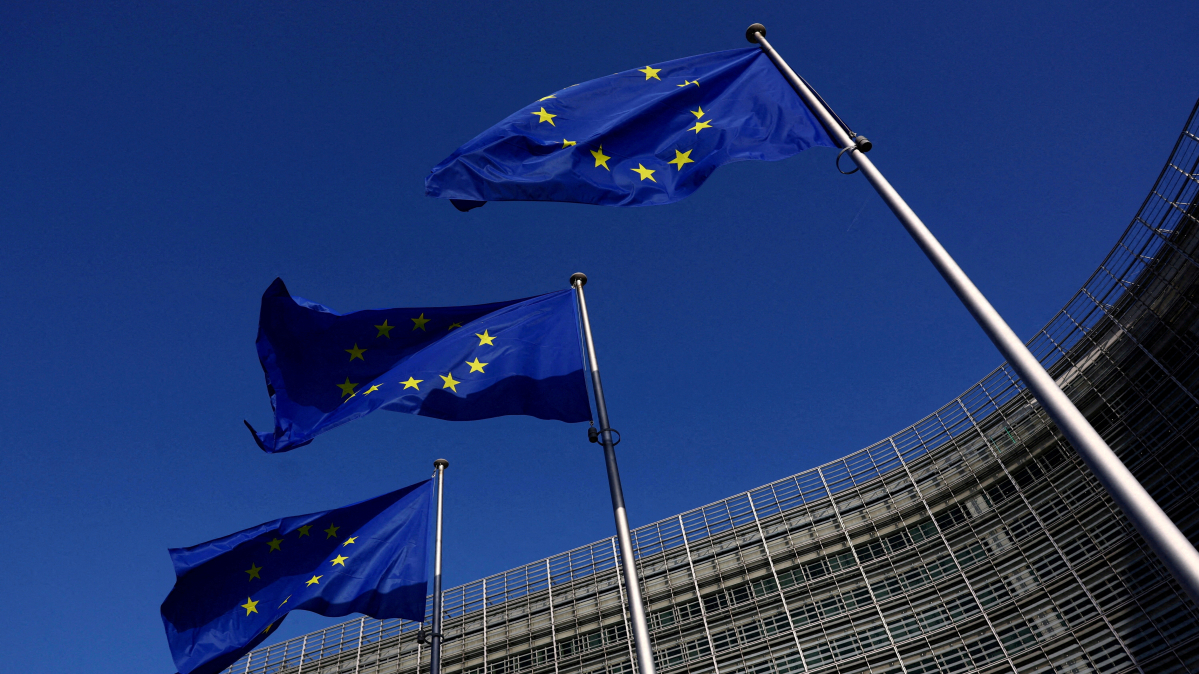
In a striking assessment, EU Enlargement Commissioner Marta Kos made clear that no serious regional strategy can work without Georgia, while also signalling that Brussels’ engagement depends entirely on Tbilisi’s own political direction.
The message captures a growing dilemma: Georgia remains geographically essential, yet politically uncertain.
At a meeting of the European Parliament Foreign Affairs Committee, Kos stressed that “it is impossible to talk about a real connectivity agenda without Georgia.”
Her remarks came amid renewed EU focus on the so-called Middle Corridor - a trade and energy route connecting Europe to Central Asia via the South Caucasus, bypassing Russia and Iran.
Strategic route gains urgency
The urgency is driven by geopolitics. Northern routes through Russia have been disrupted by the war in Ukraine, while southern pathways are increasingly unstable due to tensions involving Iran.
This leaves the Middle Corridor - running through Kazakhstan, the Caspian Sea, Azerbaijan, Georgia and Türkiye - as the most viable alternative.
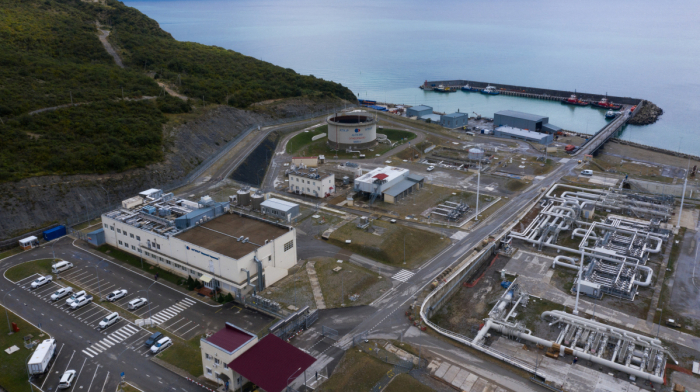
Georgia sits at the centre of this route. Its ports, railways, and energy infrastructure make it a key transit hub between Asia and Europe. EU-backed projects, including electricity interconnections with Armenia and transport upgrades, highlight its strategic importance. Without Georgia, the corridor cannot function efficiently.
Yet the EU’s tone has shifted. Kos made clear that while Georgia is essential, deeper cooperation depends on the country’s willingness to align with European priorities. This reflects broader concerns in Brussels over Georgia’s recent political trajectory.
From frontrunner to uncertainty
For years, Georgia was seen as the most pro-European country in the South Caucasus, signing an Association Agreement with the EU and pursuing reforms.
However, recent developments - including tensions with Brussels, controversial legislation, and criticism over democratic backsliding - have complicated that image.
At the same time, regional dynamics are changing. The EU has intensified cooperation with Armenia, particularly in energy and political dialogue, while also maintaining pragmatic ties with Azerbaijan, especially in gas supplies.
This has created a more balanced, but also more competitive, regional landscape in which Georgia is no longer the uncontested partner.
Connectivity, power and political choice
The Middle Corridor is not just about infrastructure. It is about influence, energy security, and strategic alignment. The EU’s Connectivity Agenda aims to link markets, reduce dependency on unstable routes, and strengthen ties with neighbouring regions.
Georgia’s role in this vision is both an opportunity and a test. Its geography makes it indispensable, but its political direction will determine how fully it can benefit. As Kos indicated, inclusion is not automatic - it requires active engagement from Tbilisi.
A widening gap with Brussels
The political dimension was reinforced ahead of a meeting of EU foreign ministers in Luxembourg, where Georgia is on the agenda.
EU foreign policy chief Kaja Kallas drew a clear distinction: support for the Georgian people, but not for the current government, which she said is “on the wrong path.”
EU officials have raised concerns over opposition pressure, media restrictions, and recent laws seen as incompatible with European standards. At the same time, they reaffirm that European aspirations remain a choice of the Georgian people.
Georgia now finds itself in a complex position - geographically central to Europe’s future connectivity, yet politically at risk of marginalisation. As discussions continue in Luxembourg, the question is no longer whether Georgia matters, but how it chooses to position itself in a rapidly shifting regional order.










What is your opinion on this topic?
Leave the first comment