Georgia’s parliament has approved fast-tracked amendments to the Law on Grants, introducing new exemptions and expanding the state’s role in defining and overseeing foreign funding.
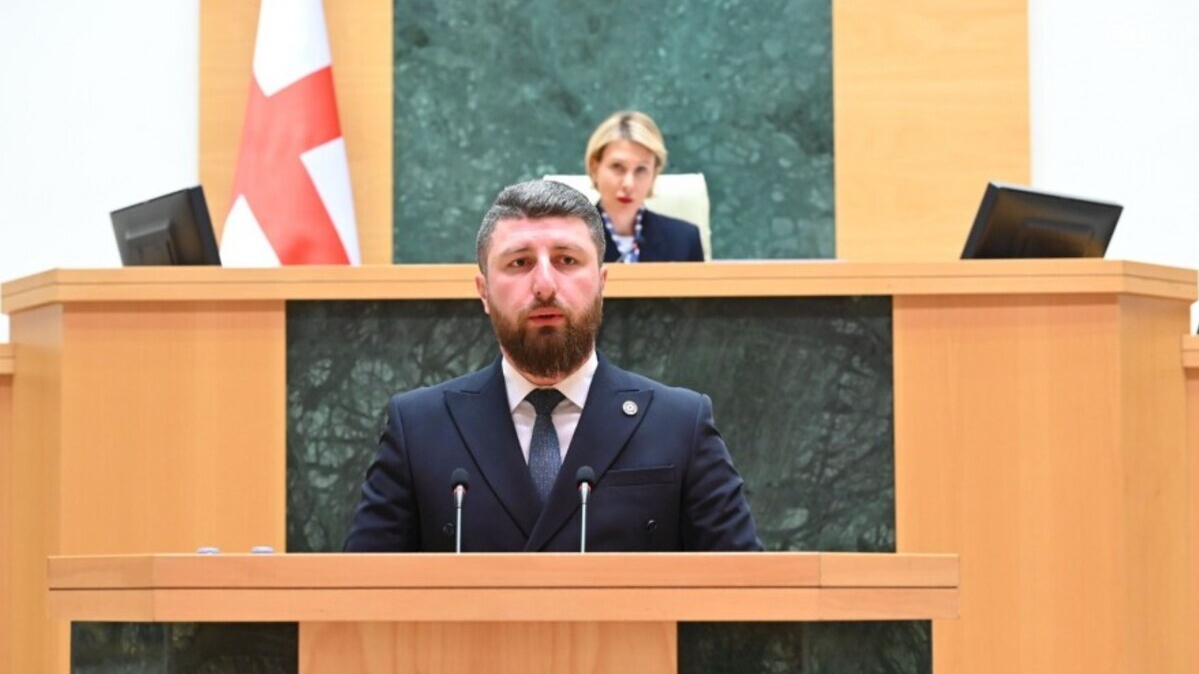
Georgia’s parliament has adopted amendments to the Law on Grants with 72 votes, pushing the legislation through an expedited process. The bill, presented by Legal Affairs Committee Chair Archil Gorduladze, revises how foreign funding is defined and regulated.
Key changes to grant classification
A central provision of the law states that funds provided by diplomatic missions, consular offices and international organisations will no longer be classified as “grants” if they are linked to the political or public interests of a foreign government or political party. The amendments also exempt the Georgian Red Cross Society from standard grant regulations.
At first glance, these changes introduce elements of deregulation by removing certain funding streams from existing oversight mechanisms. However, analysts note that the amendments simultaneously expand the government’s discretion in determining how foreign funding is classified.
The government says the reforms are intended to improve legal clarity and ensure transparency, particularly in cases where foreign funding may be connected to political processes. Officials argue that stronger oversight is necessary to protect national sovereignty and prevent external interference in domestic affairs.
Critics warn of reduced oversight
Critics, however, argue that the changes may reduce transparency in practice. By excluding some politically linked funding from the definition of grants, they warn that certain financial flows could face less scrutiny, while independent organisations may remain subject to stricter controls.
The amendments follow earlier disputes over foreign funding and civil society regulation in Georgia, which have drawn criticism from European officials and international partners. Concerns have centred on the potential impact on non-governmental organisations and democratic institutions.
In the broader context of Georgia’s European ambitions, the issue carries additional weight. Critics suggest that measures perceived as increasing state control over civil society could complicate relations with the European Union.
The government rejects this view, maintaining that regulating foreign influence is consistent with both national interests and European standards.
As the law comes into force, its real impact will depend on implementation - particularly whether it leads to more consistent oversight or creates new areas of selective control.




















What is your opinion on this topic?
Leave the first comment