Volkswagen approves major overhaul as 100,000 jobs face cuts
Volkswagen’s supervisory board has approved a major overhaul aimed at cutting 100,000 jobs by 2030 as the German carmaker battles weaker sale...
Azerbaijan and Uzbekistan have strengthened their energy partnership with the launch of a joint exploration project in the Ustyurt region, highlighting growing strategic cooperation between the two countries.
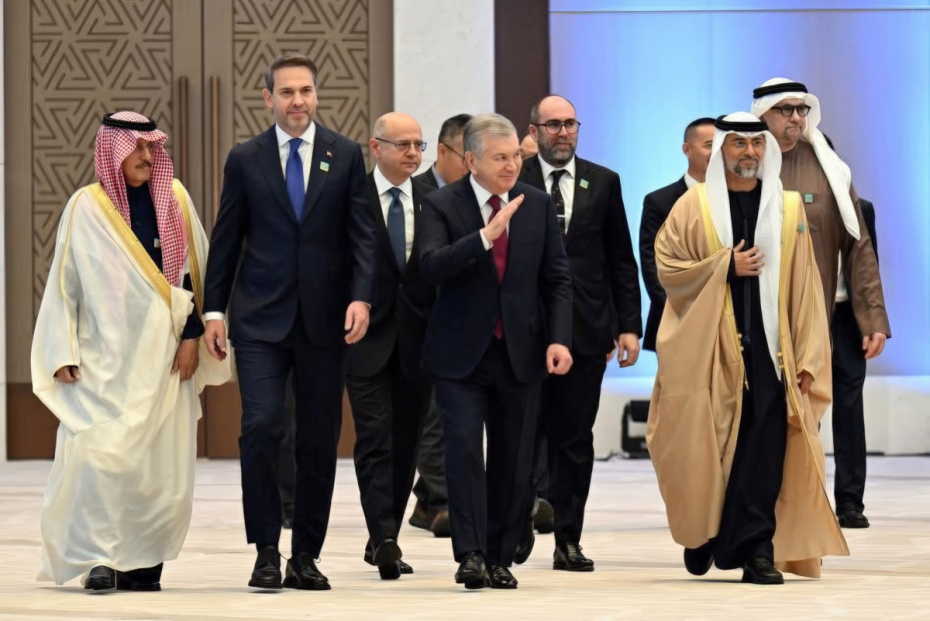
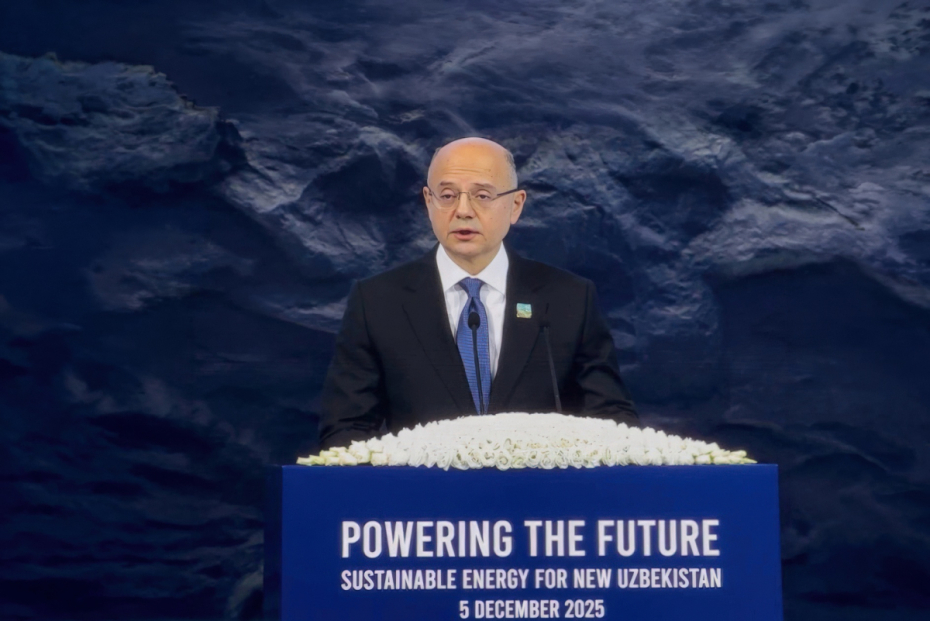
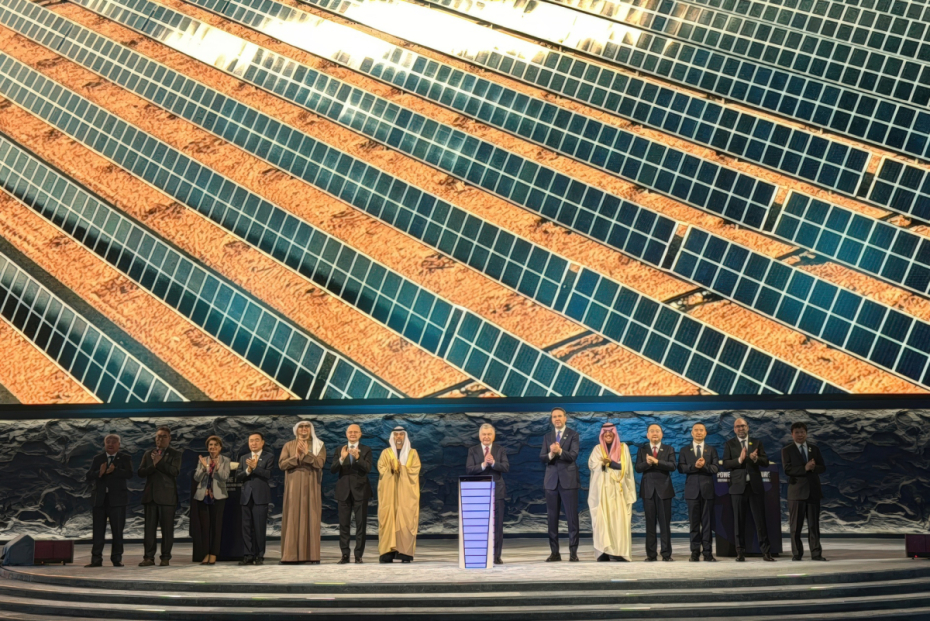
The ceremony, held in Tashkent and attended by Energy Minister Parviz Shahbazov and Uzbek President Shavkat Mirziyoyev, showcased the deepening ties in the regional energy sector.
During the event, Minister Shahbazov noted that political will and personal trust between the leaders of Azerbaijan and Uzbekistan have elevated bilateral relations to a strategic partnership.
The minister highlighted Azerbaijan’s role in the Consultative Meeting of Central Asian Heads of State and the opening of the Zangezeur corridor, which strengthens the significance of the Middle Corridor for regional integration.
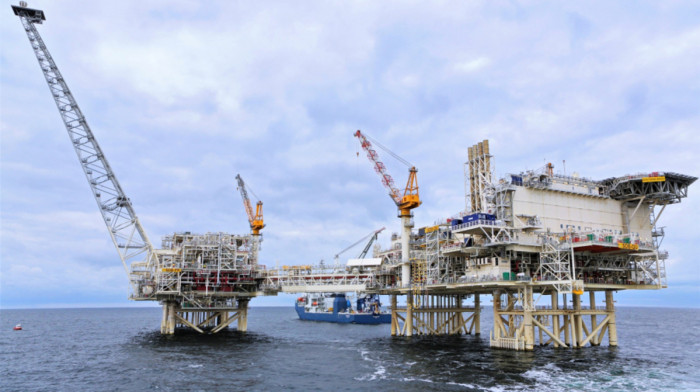
The joint Ustyurt project between SOCAR and “Uzbekneftegaz” will enhance knowledge and technology exchange in the hydrocarbon sector, boost regional energy integration, and create new opportunities for joint participation in energy supply.
Minister Shahbazov also emphasised the strategic importance of the Trans-Caspian Energy Corridor project, which will connect the electricity systems of Azerbaijan, Uzbekistan, and Kazakhstan for the first time.
The initiative is expected to expand Azerbaijan’s transit role and enable the transfer of renewable energy along the Middle Corridor between Asia and Europe.
The project follows the signing of a Production Sharing Agreement on 24 July 2025, which formalised cooperation between SOCAR, “Uzbekneftegaz,” and the Republic of Uzbekistan for geological exploration, development, and production in Uzbek investment blocks.
The ceremony also highlighted other international energy collaborations, involving countries such as Türkiye, the UAE, Saudi Arabia, and China.
This joint venture marks a new chapter in Azerbaijan-Uzbekistan energy cooperation, underlining the growing strategic and regional importance of both nations in Central Asia’s energy landscape.

Russian President Vladimir Putin has said that he thinks there is a chance of a peace being reached with Ukraine. He told the Eastern Economic Forum in Vladivostok, Russia that he believed there was "a chance of finding a solution," to the conflict.
The U.S. has launched a fresh wave of strikes on Iran, targeting Islamic Revolutionary Guard Corps (IRGC) sites as Tehran retaliated against U.S. positions across the region, while Iranian officials said at least five people were killed and dozens wounded at a wedding near Sirik.
The Iranian Health Ministry said at least 18 people were killed and 142 others injured in U.S. airstrikes carried out between 30 August and 2 September.
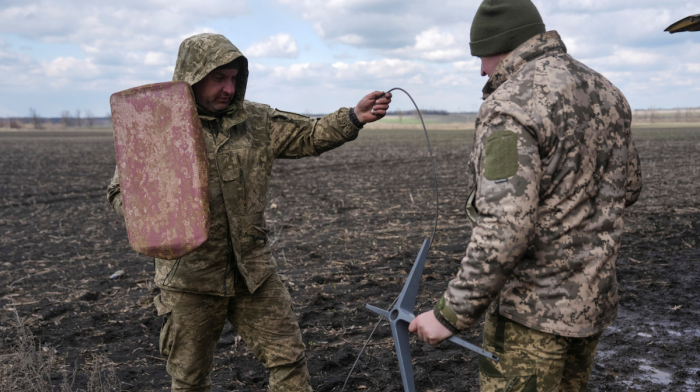
The European Union's foreign policy chief Kaia Kallas says the bloc will tighten enforcement of sanctions against Russia over its war in Ukraine. EU foreign ministers were meeting in Ireland following renewed Russian strikes on cities across Ukraine.
Start your day informed with the AnewZ Morning Brief. Here are the top stories for the 3rd of September, covering the latest developments.
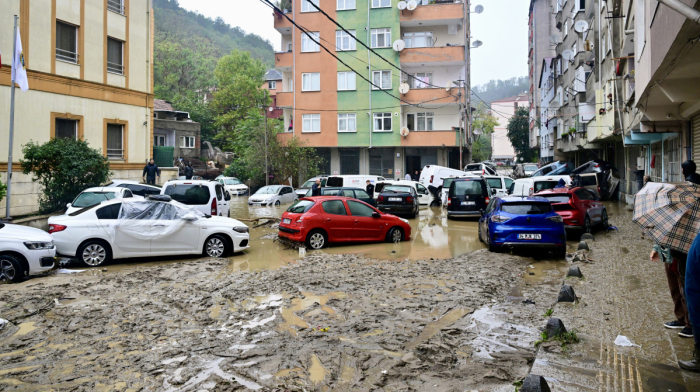
Two people have been rescued alive from a tunnel in Nepal, nine days after catastrophic floods devastated the country, as rescuers continue searching for survivors.
U.S. President Donald Trump has shared an article by his special envoy Steve Witkoff, marking one year since Azerbaijan and Armenia signed a joint declaration aimed at advancing a peace agreement between the two countries.
Black Sea Petroleum (BSP), the company behind Georgia's Kulevi plant on the Black Sea coast, has announced that as of 23 August, the refinery is processing exclusively non-Russian oil.
The final day of the 4th International Mine Action Conference in Baku put international cooperation, new technology and national expertise at the heart of efforts to clear landmines and support post-conflict recovery.
Georgia's economy grew by eight per cent in July, and if you're wondering what's behind the surge, the answer is the same one that's been doing the heavy lifting all year: oil.
You can download the AnewZ application from Play Store and the App Store.
What is your opinion on this topic?
Leave the first comment