Kazakh oil exports fall as Kyrgyzstan faces rising fuel prices
Kazakhstan’s oil exports through its main pipeline route fell sharply in July after Black Sea disruptions, as neighbouring Kyrgyzstan faced r...
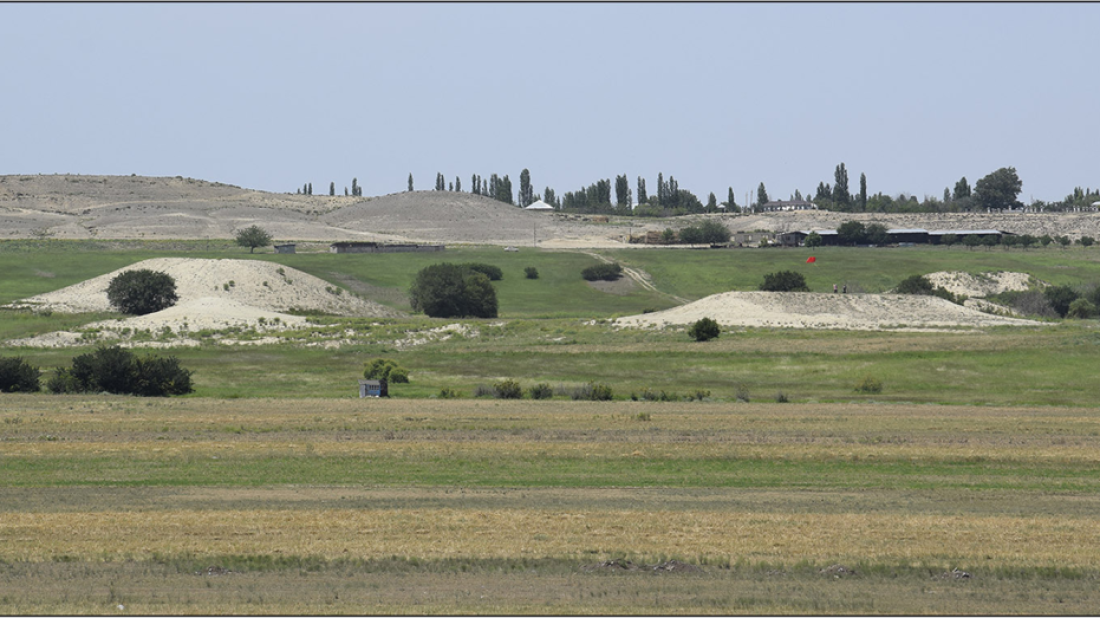
Researchers have uncovered over 1,300 archaeological sites in Azerbaijan, revealing the Caucasus as a historical hub of cultural exchange
The Caucasus Mountains, long seen as a formidable natural barrier, have proven to be a historical hub of cultural exchange. Stretching over 1,000 kilometers between the Black and Caspian Seas, this region’s archaeological significance has often been underexplored. However, researchers from Kiel University’s ROOTS Cluster of Excellence, in collaboration with the Academy of Sciences of Azerbaijan, have changed that narrative.
In two field campaigns conducted in 2021 and 2023, the team documented more than 1,300 archaeological sites across Azerbaijan, including over 1,200 burial mounds—known as kurgans—on the Uzun-Rama plateau. The results of these efforts, published in the journal Antiquity, reveal a rich tapestry of burial practices, spanning from the 4th millennium BCE to the Middle Ages.
Using advanced methods like satellite imagery, ground-penetrating radar, and 3D landscape modeling, the researchers mapped the structures with unprecedented precision. These findings not only offer insights into ancient burial cultures but also highlight the interaction between humans and their environment over millennia.
“You can only protect what you know,” says Andrea Ricci, the project lead. This research is a crucial step toward preserving the cultural heritage of the South Caucasus for future generations.

Disruption in the Strait of Hormuz has increased the strategic importance of Bab al-Mandab, raising fears that instability in both waterways could trigger a wider global energy and trade crisis.
Flights at Catania airport in Sicily will remain suspended until early Friday as ash from Mount Etna continues to disrupt air travel, following hundreds of cancellations and diversions over the past week.
Iran says the Strait of Hormuz remains under its control, rejecting U.S. President Donald Trump’s claim of “total control” over the strategic waterway and insisting it will not reopen until Washington fulfils its commitments under an interim deal.
Iran and the United States remain at loggerheads over efforts to agree a permanent end to the war in the Gulf, according to a senior Iranian source who said there had been no progress in talks to revive the interim deal agreed in June and define a timeframe to implement it.
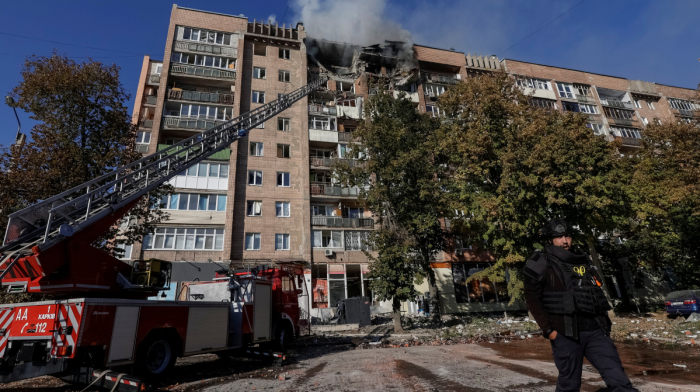
Russia has accused Ukraine of threatening global grain supplies after recent strikes on Black Sea agricultural infrastructure, while Moscow carried out a new overnight attack on Ukraine’s major Danube port of Izmail.
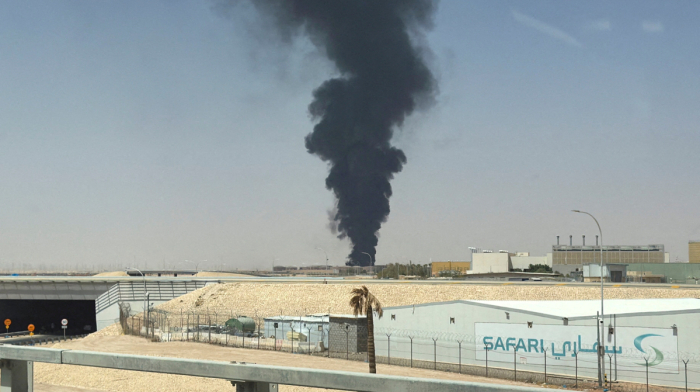
Kazakhstan’s oil exports through its main pipeline route fell sharply in July after Black Sea disruptions, as neighbouring Kyrgyzstan faced rising fuel prices amid reduced supplies from Russia.
Former Iranian Ambassador to Azerbaijan Mohsen Pakayin has called on Tehran to ratify the Caspian Sea convention, arguing that doing so would safeguard Iran’s legal and regional interests.
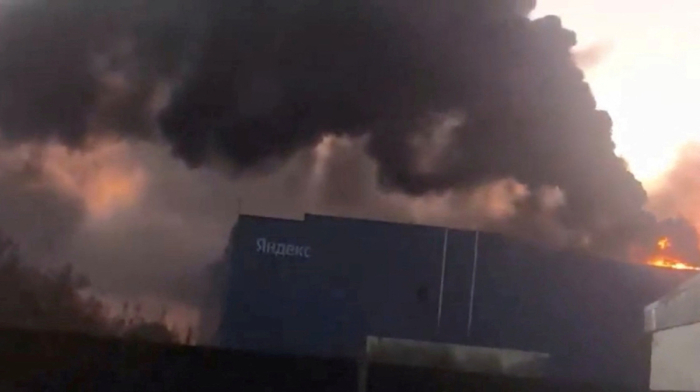
The suspension of two major grain terminals in Russia’s Black Sea port of Novorossiysk could increase pressure on Kazakhstan’s agricultural market if Russian exporters divert supplies to Central Asia at discounted prices.
Georgia’s Prime Minister says the EU’s inclusion of a major Black Sea cable project on a key infrastructure list is fresh evidence of the country’s importance to regional energy and digital connectivity.
Armenian Prime Minister Nikol Pashinyan has dismissed Security Council Secretary Armen Grigoryan and appointed former parliament speaker Alen Simonyan as his replacement.
You can download the AnewZ application from Play Store and the App Store.
What is your opinion on this topic?
Leave the first comment