Dagestan floods leave more than 372,000 without electricity as state of emergency declared
More than 372,000 people were left without electricity in Russia’s southern region of Dagestan after heavy rain triggered severe flooding, of...
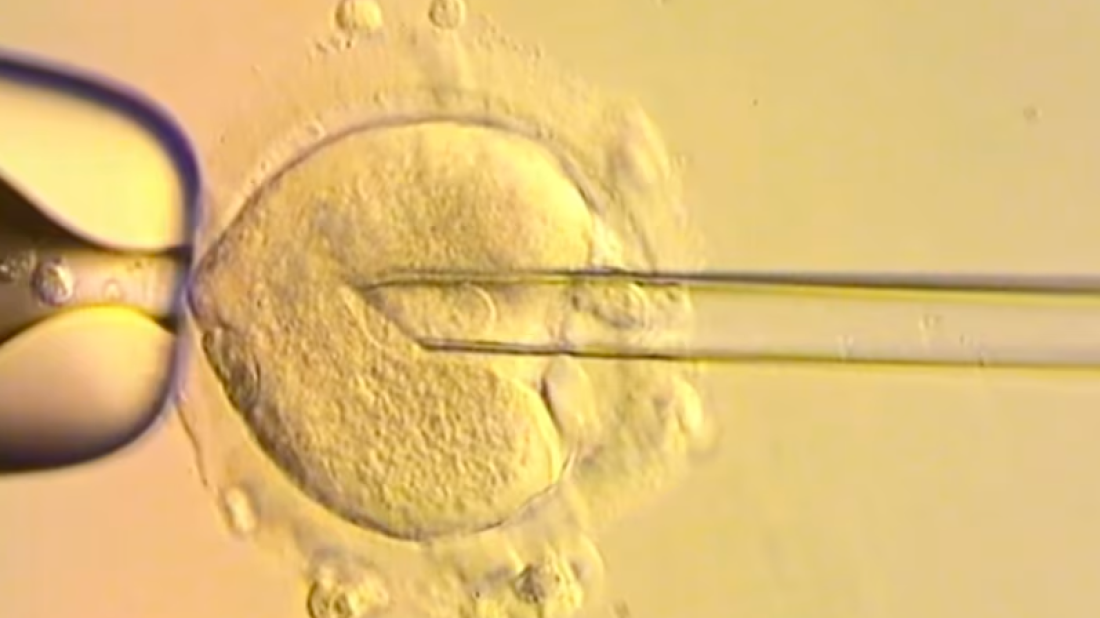
British researchers have announced a major scientific milestone: eight babies have been born healthy through a revolutionary technique that combines DNA from three individuals to eliminate the risk of passing on severe mitochondrial diseases.
The breakthrough, published in the New England Journal of Medicine and led by experts at Newcastle University and Monash University, could prevent conditions that lead to muscle weakness, organ failure, and even early death in children.
Out of 22 women who underwent the treatment, eight delivered healthy babies, and one is still pregnant.
Although the donor DNA comprises less than 1% of the baby’s genetic material — “too little to influence traits,” according to Dr. Lovell-Badge — the ethical and legal dimensions of altering embryos remain a point of debate.
Currently, the U.K. remains one of the only countries where such procedures are allowed, and only after strict approval by the Human Fertilisation and Embryology Authority. So far, 35 patients have been authorized to receive the treatment.
Critics argue the long-term effects are still unknown, especially for future generations.
Despite these uncertainties, for families facing heartbreaking diagnoses, this technique offers a new path forward.

The involvement of Yemen’s Houthis has heightened regional tensions as the Iran-aligned group joins the conflict. The U.S. says it is hopeful of holding talks with Iran in the coming days, while Tehran has said that "talking and bombing is intolerable". Welcome to our live coverage of the conflict.
Two months after Indian negotiators worked in January to secure relief from punitive U.S. tariffs on the country’s exports and New Delhi moved to cut back its purchases of Russian crude oil, India and Russia are stepping up their energy ties once again, according to Reuters.
Turkish military personnel participating in NATO’s mission in Iraq have been “successfully” withdrawn from the country, the Turkish Defence Ministry announced on Thursday.
The United Arab Emirates has told the U.S. and other Western allies that it is willing to participate in a multinational maritime taskforce aimed at reopening the Strait of Hormuz, the Financial Times reported on Friday, citing people familiar with the matter.
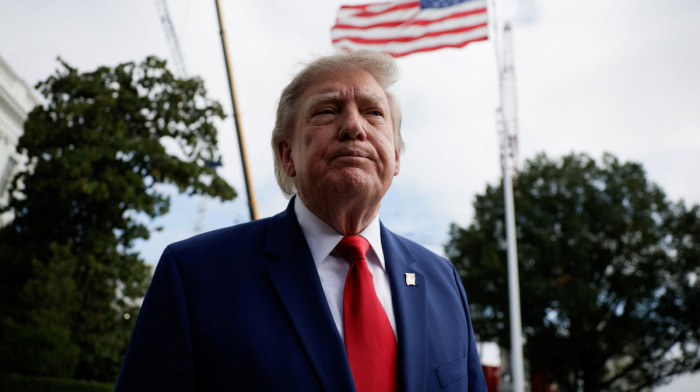
U.S. paper currency will bear President Donald Trump's signature starting this summer, the first time a sitting president has signed American money, the Treasury Department said on Thursday. The change comes as the United States prepares to celebrate its 250th anniversary.
Austria’s government on Friday approved plans to introduce a nationwide ban on social media use for children under the age of 14, alongside reforms to upper secondary school curricula aimed at boosting media literacy and Artificial Intelligence (AI) education from the 2027/28 academic year.
The UK Health Security Agency (UKHSA) said that as of Wednesday evening, it has identified six new cases of meningococcal disease in Kent, bringing the total of confirmed or suspected cases to at least 27.
The Scottish Parliament has voted against legalising assisted dying, ending a years-long campaign to make Scotland the first part of the UK to allow the practice.
The war in the Middle East is beginning to disrupt the flow of critical medicines to Gulf countries, raising concerns about the supply of cancer treatments and other temperature-sensitive drugs, according to pharmaceutical industry executives.
The World Health Organization (WHO) has released $2m in emergency funding to support health responses in Lebanon, Iraq and Syria as escalating regional conflict strains hospitals, raises displacement and increases pressure on already fragile health systems.
You can download the AnewZ application from Play Store and the App Store.
What is your opinion on this topic?
Leave the first comment