What we know so far about the Iran–Israel–U.S. escalation
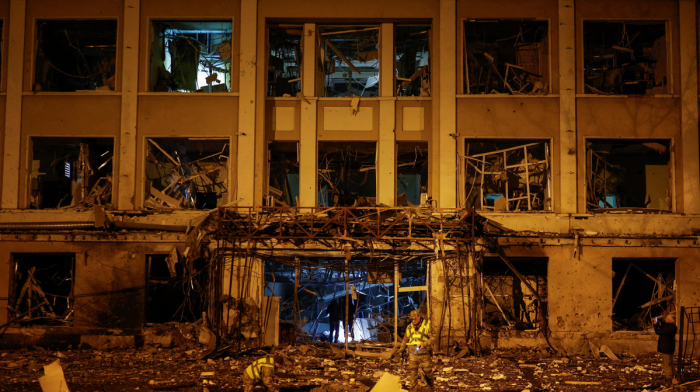
The United States and Israel have carried out large-scale strikes on Iranian leadership and military targets, with Iranian state media confirming t...
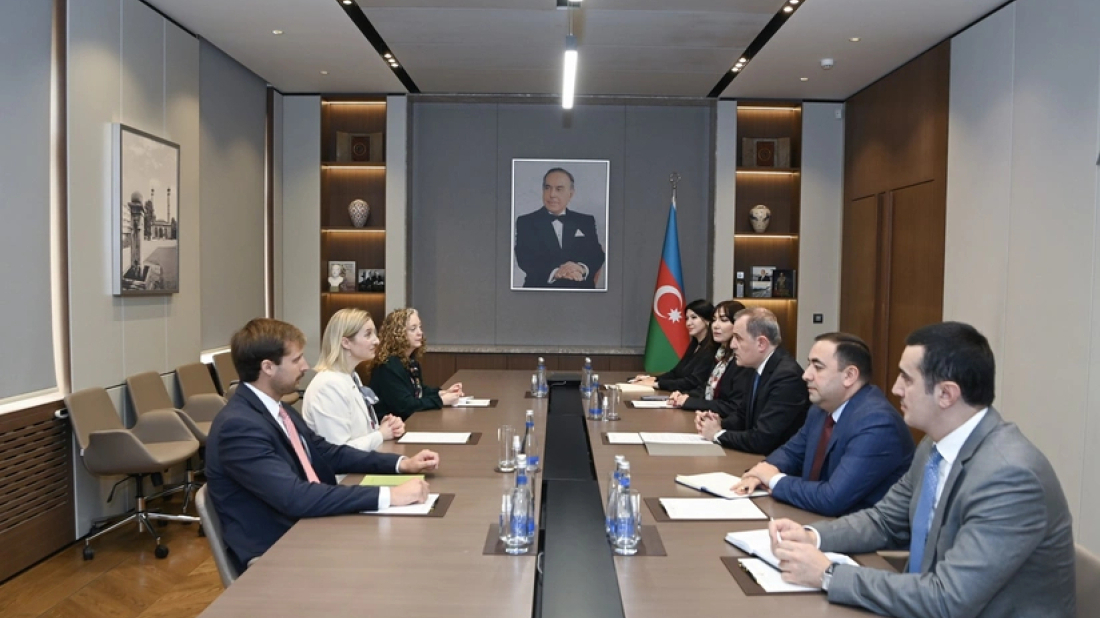
Azerbaijan and the United States held talks in Baku on Tuesday to advance their strategic partnership and address regional security, according to the Azerbaijani Foreign Ministry.
Foreign Minister Jeyhun Bayramov met with Wyatt Tulkki, senior adviser at the U.S. State Department’s Bureau of European and Eurasian Affairs, and U.S. Chargé d’Affaires Amy Carlon.
Talks focused on bilateral ties, the memorandum establishing a Strategic Working Group to prepare a Charter of Strategic Partnership, and the Armenia-Azerbaijan normalization process within Washington’s mediation framework.
Both sides stressed the importance of reciprocal visits to strengthen cooperation and also exchanged views on wider regional and international security issues.
The meeting builds on momentum in Azerbaijan-U.S. relations, which have been steadily strengthened in recent months. The United States has played a pivotal role in addressing long-standing conflicts in the region, most notably mediating the 8 August 2025 Armenia–Azerbaijan peace deal aimed at ending the Nagorno-Karabakh dispute. Through sustained diplomatic efforts, Washington has facilitated dialogue, promoted confidence-building measures, and supported infrastructure initiatives like the Trump Route for International Peace and Prosperity (TRIPP), designed to improve regional connectivity and economic integration.
Azerbaijani officials highlighted that the talks also focused on implementing previous agreements, expanding strategic cooperation, and enhancing regional security frameworks. Both sides underscored the importance of ongoing diplomatic engagement, reciprocal visits, and collaborative measures to ensure stability across the South Caucasus.

Follow the latest developments and global reaction after the U.S. and Israel launched “major combat operations” in Iran, prompting retaliation from Tehran.
Tensions between the U.S. and Iran are escalating, with Washington ordering a significant military build-up in the region and multiple countries evacuating diplomatic staff amid fears of further instability.
Governments across the region responded swiftly to Israel’s strikes on Iran, closing airspace, issuing travel advisories and activating contingency plans amid fears of escalation.
Two people were killed and around 40 injured when a tram derailed in central Milan on Friday (27 February), a spokesperson for the local fire service said.
A senior Iranian official has warned Israel to “prepare for what is coming”, insisting that Tehran’s response to the latest escalation in the Middle East will be made openly and without limits.
The United States and Israel have carried out large-scale strikes on Iranian leadership and military targets, with Iranian state media confirming that Supreme Leader Ayatollah Ali Khamenei was killed.
Follow the latest developments and global reaction after the U.S. and Israel launched “major combat operations” in Iran, prompting retaliation from Tehran.
Ayatollah Alireza Arafi has moved into a pivotal constitutional role following the death of Supreme Leader Ayatollah Ali Khamenei, becoming the clerical member of Iran’s temporary leadership council under Article 111 of the Constitution of the Islamic Republic of Iran.
A number of senior Iranian figures have reportedly been killed in Saturday’s joint U.S.–Israeli airstrikes on Iran, according to Iranian state media, Israeli military statements and international reporting. Some of the details remain unverified. .
The death of Iran’s Supreme Leader Ayatollah Ali Khamenei has triggered one of the most significant political processes in the Islamic Republic: the selection of a new Supreme Leader.
You can download the AnewZ application from Play Store and the App Store.
What is your opinion on this topic?
Leave the first comment