EU labels Russia 'high-risk' over anti-money laundering gaps
The European Commission has added Russia to its list of “high-risk” countries, citing significant shortcomings in the nation’s anti-money launde...
The European Union has made a key decision impacting Georgia's diplomatic relations, introducing changes to previously established agreements. While discussions continue among member states, challenges remain in achieving consensus on broader measures tied to human rights and governance concerns.
The European Union (EU) has temporarily suspended the visa-free regime for Georgia's diplomatic passports, signaling increased scrutiny of the country’s political direction.
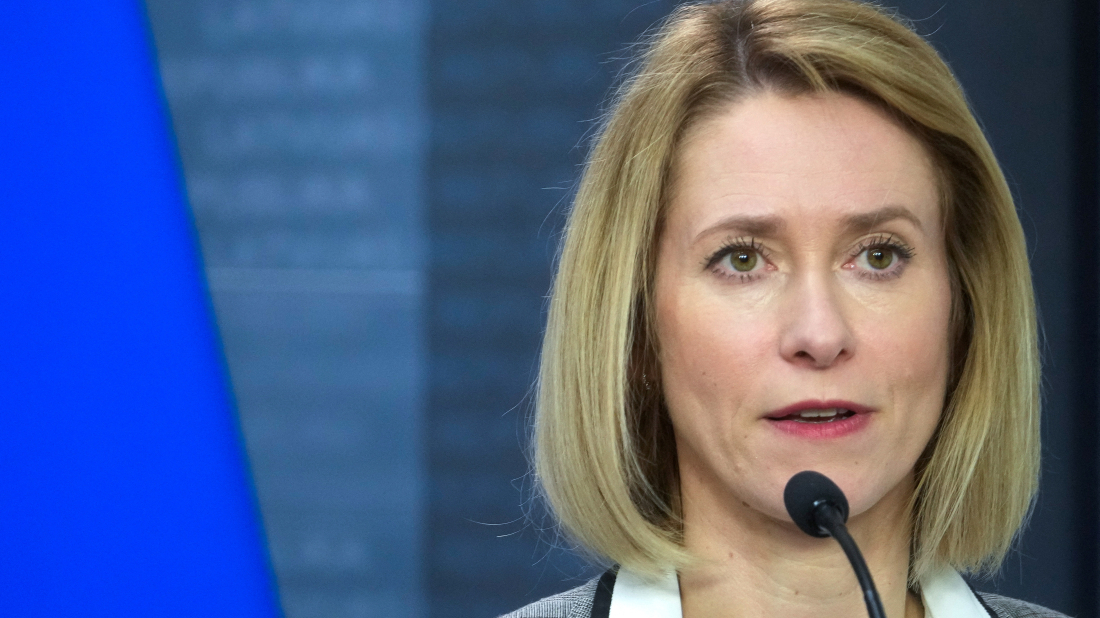
The announcement came from Kaja Kallas, the EU’s High Representative for Foreign Affairs and Security Policy, during a press conference following a meeting of foreign ministers from EU member states. Kallas stated that the EU would continue to support the Georgian people despite recent developments.
"Going forward, we will continue to stand with the Georgian people, including by redirecting funding from the authorities towards civil society, independent media, and the Georgian people," she said, adding, "The future of Georgia, as it is for Syrians in Syria, should be decided by its own people.”
While addressing concerns about human rights and governance, Kallas noted that the EU could not reach a consensus on imposing personal sanctions against governments accused of repression and rights violations.
She also highlighted resistance from Hungary and Slovakia, which opposed proposed sanctions. Additionally, countries like Luxembourg and several others voiced objections to measures targeting Georgia's ruling "Georgian Dream" party.
The EU’s decision underscores ongoing divisions among member states regarding their approach to Georgia's political landscape and governance issues.

A four-part docuseries executive produced by Curtis '50 cent' Jackson and directed by Alexandria Stapleton on Netflix is at the centre of controversy online.
Chinese scientists have unveiled a new gene-editing therapy that they say could lead to a functional cure for HIV, making it one of the most promising developments in decades of global research.
As the year comes to an end, a new initiative bringing civil society actors and regional analysts from Armenia and Azerbaijan together is steadily gaining ground.
Uzbekistan has reopened its border with Afghanistan for the first time since 2021, the country’s Chamber of Commerce and Industry announced on Tuesday.
Belgian police have raided the EU’s diplomatic service and the College of Europe as part of a corruption probe into an EU-funded training academy for diplomats, detaining three suspects and searching multiple premises, according to Politico.
Turkish Foreign Minister Hakan Fidan has warned that recent attacks on Russia-linked tankers in the Black Sea endanger regional safety and commerce, highlighting the expanding reach of the war in Ukraine.
On December 2-3, the second meeting of the Heads of Mapping Institutions of the Organization of Turkic States (OTS) was held in Baku.
The European Commission’s decision to grant the Black Sea Submarine Cable project the status of a Project of Mutual Interest is more than a technical upgrade—it is a geopolitical message.
Uzbekistan has launched an urgent environmental reform package after recent air-quality data revealed serious pollution problems, particularly in Tashkent
Iran’s Foreign Minister Abbas Araghchi said the Islamic Republic has closed its security gaps after Israel and U.S. repeatedly bombed the country in June.
You can download the AnewZ application from Play Store and the App Store.
What is your opinion on this topic?
Leave the first comment