



18:20 CET
Gaza war
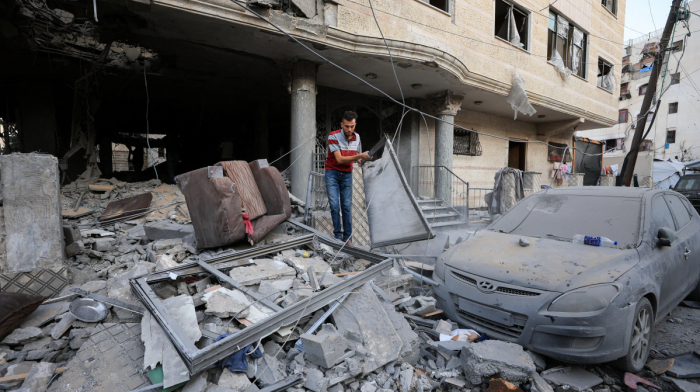
Israeli strike kills five in Gaza, including four women, health officials say
An Israeli air...
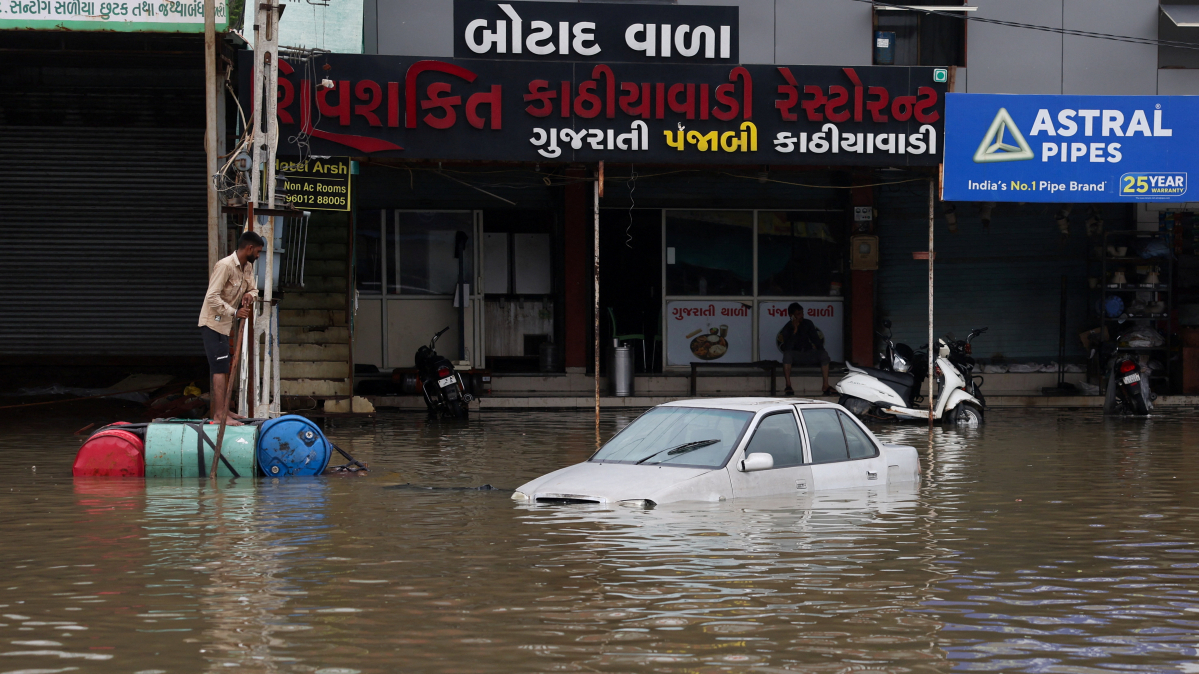


Pakistan's monsoon death toll has risen to 107 after another 10 people were killed in rain-related incidents, as authorities warned that a fresh spell of heavy rainfall is expected later this week.
The latest fatalities come as the government intensifies disaster preparedness in one of the world's most climate-vulnerable countries, where increasingly frequent extreme weather events continue to test emergency response systems.
The National Disaster Management Authority (NDMA) said on Sunday that seven people died in Punjab and three in Khyber Pakhtunkhwa during the previous 24 hours, while another 50 people were injured. Since the monsoon season began on 26 June, the rains have killed 107 people and injured 297 nationwide. Khyber Pakhtunkhwa has recorded the highest number of fatalities with 55, followed by Punjab with 36, Azad Jammu and Kashmir with seven, Balochistan with six, Sindh with two and Gilgit-Baltistan with one. Authorities said 447 houses had been damaged, 269 livestock killed and more than 3,800 people evacuated during 130 rescue operations.
The figures were released as the Emergency Response Committee, established by Prime Minister Shehbaz Sharif to coordinate Pakistan's monsoon response, met on Sunday at the National Emergencies Operation Centre in Islamabad.
The committee reviewed the national flood situation, emergency preparedness, evacuation plans, relief supplies and coordination among federal and provincial authorities. It was informed that water levels in the country's major rivers remained within safe limits, but directed authorities to maintain continuous monitoring after the Pakistan Meteorological Department forecast another spell of heavy rainfall from 29 July.

Climate Change Minister Dr Musadik Malik said authorities must ensure the "timely dissemination of early warnings" by utilising all available resources. Planning Minister Ahsan Iqbal called for close coordination among federal, provincial and district institutions to support rapid decision-making and directed all departments to remain on high alert throughout the monsoon season.
Authorities have also expanded preventive measures as monsoon risks increase. Punjab has imposed a 60-day ban on swimming and boating in rivers, canals, dams and lakes, as well as bathing in accumulated rainwater, following a rise in drowning incidents. Relief camps have also been established in vulnerable districts to support displaced residents and provide emergency assistance.
Separately, the Provincial Disaster Management Authority in Khyber Pakhtunkhwa warned of possible Glacial Lake Outburst Floods (GLOFs) in Upper and Lower Chitral, Upper Dir, Swat, Upper Kohistan and Mansehra, saying warmer temperatures and intermittent rainfall could accelerate glacier melting. Residents were advised to avoid rivers, streams, glacial lakes and narrow mountain valleys, while tourists were urged not to camp or trek in vulnerable areas.
Authorities said Punjab's Irrigation Department has introduced an AI-based dam reservoir analysis dashboard that combines satellite imagery, geospatial analytics and artificial intelligence to improve reservoir monitoring and flood forecasting.
An irrigation department official said the system has become increasingly important because India is no longer sharing river flow-related data with Pakistan, making satellite imagery an important source of situational awareness during the monsoon season.
The technology is being deployed as Pakistan continues to record rising monsoon casualties, underscoring the challenge of translating improved forecasting into timely warnings, coordinated emergency response and effective protection for communities in vulnerable areas.
The Pakistan Meteorological Department has forecast another spell of widespread rainfall in the coming days, raising the risk of flash floods, urban flooding and glacial lake outburst floods in parts of the country. As authorities strengthen monitoring, emergency coordination and public safety measures, the next phase of the monsoon will test whether improved early warning systems and disaster preparedness can help limit further loss of life as extreme weather events become increasingly frequent across South Asia.
Read more:

An Israeli air...

The co-...

A major bridge across the Dnipro river in Kyiv was hit in a Russian air attack on Saturday, the city's mayor, Vitali Klitschko said, as strikes...


Yemen's air force carried out 20 strikes on Houthi targets earlier on Friday, Brigadier General Majid Abdullah Al-Nuzaili, Spokesman for the Yemeni Armed Forces, said. Meanwhile, the Iran-backed Houthis denied targeting a power plant supplying energy to a mosque in Medina, Saudi Arabia.

Hammam al-Hammami, the Flydubai co-pilot accused of stabbing the captain of an Israel-bound flight on Wednesday in a suspected terrorist attack, was banned from flying by Oman over concerns about his radical views, U.S. media reported on Friday, citing people familiar with the matter.

Azerbaijan and Armenia will sign a final peace agreement once Armenia amends its constitution to remove territorial claims against Azerbaijan, Hikmat Hajiyev, Assistant to Azerbaijan’s President Ilham Aliyev, has said.
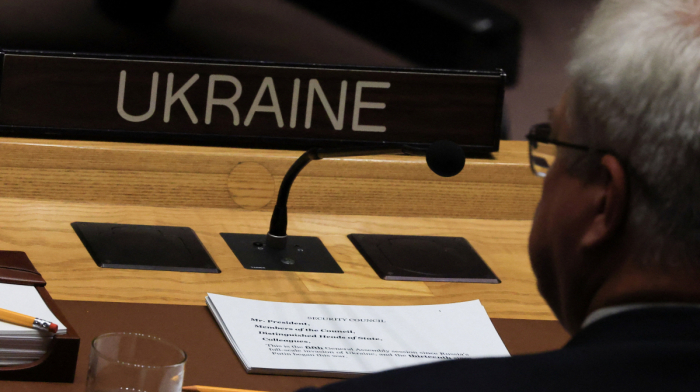
Ukraine is working to resolve a diplomatic dispute with South Korea after Kyiv publicly disclosed the transfer of two North Korean prisoners of war to Seoul, Ukrainian Foreign Minister Andrii Sybiha said on Thursday, 1 October.
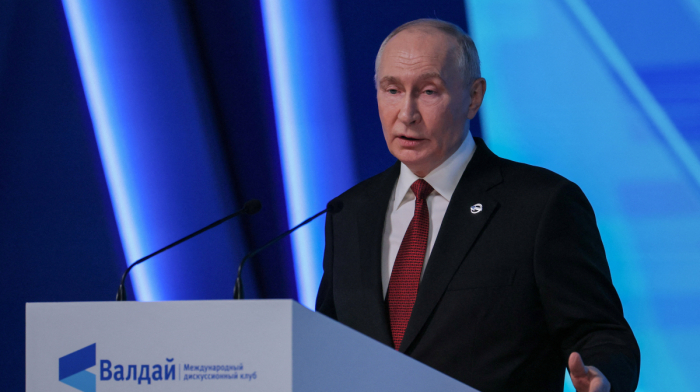
Russian President Vladimir Putin said on Thursday that Moscow wanted to end the war in Ukraine through negotiations as soon as possible, while insisting that any settlement must meet conditions acceptable to Russia and include security guarantees.
An Israeli airstrike killed at least five Palestinians, including four women, in an apartment building in Gaza City early on Saturday 3 October, health and civil defence service officials said.
The co-pilot of Israel bound flydubai flight attempted to carry out a “terrorist attack” with an axe during the flight, the United Arab Emirates prosecutor general said on Saturday.
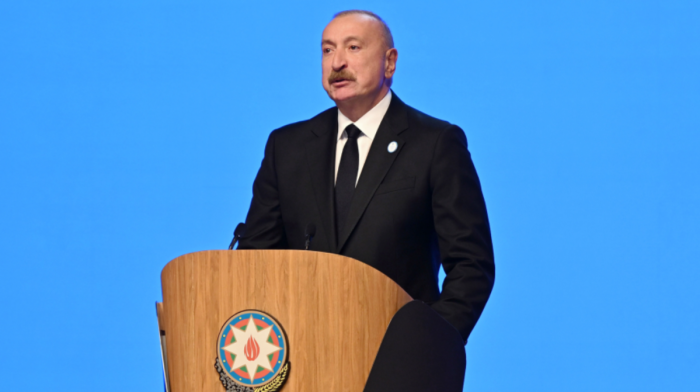
Azerbaijan’s President Ilham Aliyev warned against interference from outside actors in remarks at the 8th Congress of the New Azerbaijan Party in Baku on Friday 2 October.

Azerbaijan won 22 medals, including seven gold, at the Mingachevir Regatta 2026 as more than 100 young rowers from 12 countries competed in the international tournament.
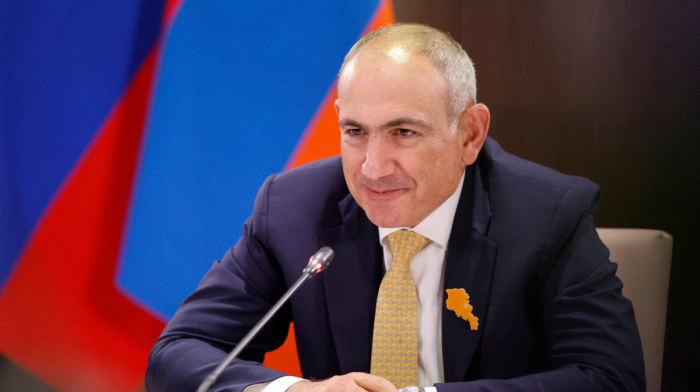
Armenian Prime Minister Nikol Pashinyan says the TRIPP project will establish a direct railway connection between Azerbaijan and Armenia and strengthen wider regional transport links.
You can download the AnewZ application from Play Store and the App Store.




What is your opinion on this topic?
Leave the first comment