Pakistan on Thursday warned Yemen's Houthi movement that any attack on Pakistani-flagged vessels or the country's maritime interests would cross a "red line" and trigger a response under its right to self-defence.
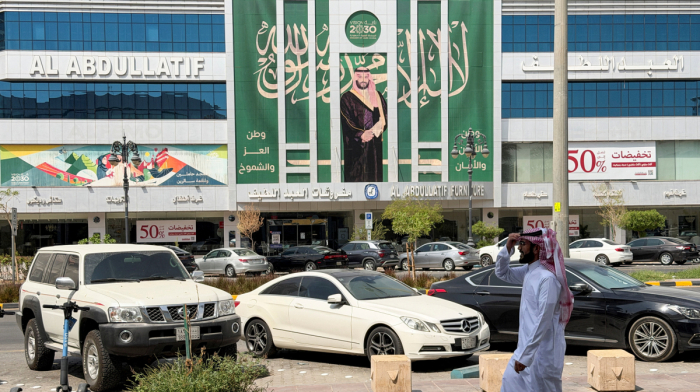
The latest warning came as Prime Minister Shehbaz Sharif spoke by telephone with Saudi Crown Prince and Prime Minister Mohammed bin Salman, condemning Houthi attacks on Saudi oil tankers in the Red Sea as "unacceptable", a violation of international law, and a threat to freedom of navigation, commercial shipping, and regional peace and stability.
According to the Prime Minister's Office, Sharif reaffirmed Pakistan's complete solidarity with Saudi Arabia and reiterated support for the Kingdom's security, sovereignty, territorial integrity and prosperity.
He also assured the Crown Prince that Pakistan would continue working with Saudi Arabia and the international community to support peace, regional stability and the uninterrupted flow of lawful maritime commerce through the Red Sea, the Strait of Hormuz and adjoining waters.
Pakistan draws a 'red line'
At his weekly briefing, Foreign Office spokesperson Tahir Andrabi said Islamabad's position had become unequivocal.
"This is not a thin line; this is a red line," Andrabi said. "Any attack against Pakistani-flagged vessels or commercial ships belonging to Pakistan will be treated as an attack against Pakistan and will be met with a swift response in the exercise of our right to self defence."
He said Pakistan's armed forces would determine what constituted a threat or an attack through operational and technical assessments and would remain vigilant in the region.
Andrabi also reaffirmed Islamabad's commitment to implementing all bilateral agreements with Saudi Arabia, including the Strategic Mutual Defence Agreement (SMDA) signed last year, under which an armed attack against one country is treated as aggression against both.
The latest remarks build on Wednesday's Foreign Office statement, which warned that Pakistan reserved the right to take "all necessary measures, including lawful use of force" if its maritime interests came under attack after the Houthis announced a maritime embargo against Saudi Arabia and commercial shipping.
Regional diplomacy continues
Pakistan also signalled it would continue pursuing diplomacy despite the deteriorating security situation in the Gulf.
Andrabi said Islamabad remained committed to dialogue and described the Islamabad Memorandum of Understanding (MoU) and the Pakistan-Qatar Joint Statement as the best framework for reviving peace efforts. He said Pakistan had not lost hope that negotiations could resume despite ongoing military operations.
His remarks came as Deputy Prime Minister and Foreign Minister Ishaq Dar met Omani Foreign Minister Sayyid Badr Albusaidi on the sidelines of the ASEAN Regional Forum in Manila, where the two reviewed the latest regional developments and mediation efforts.
Red Sea security becomes a strategic interest
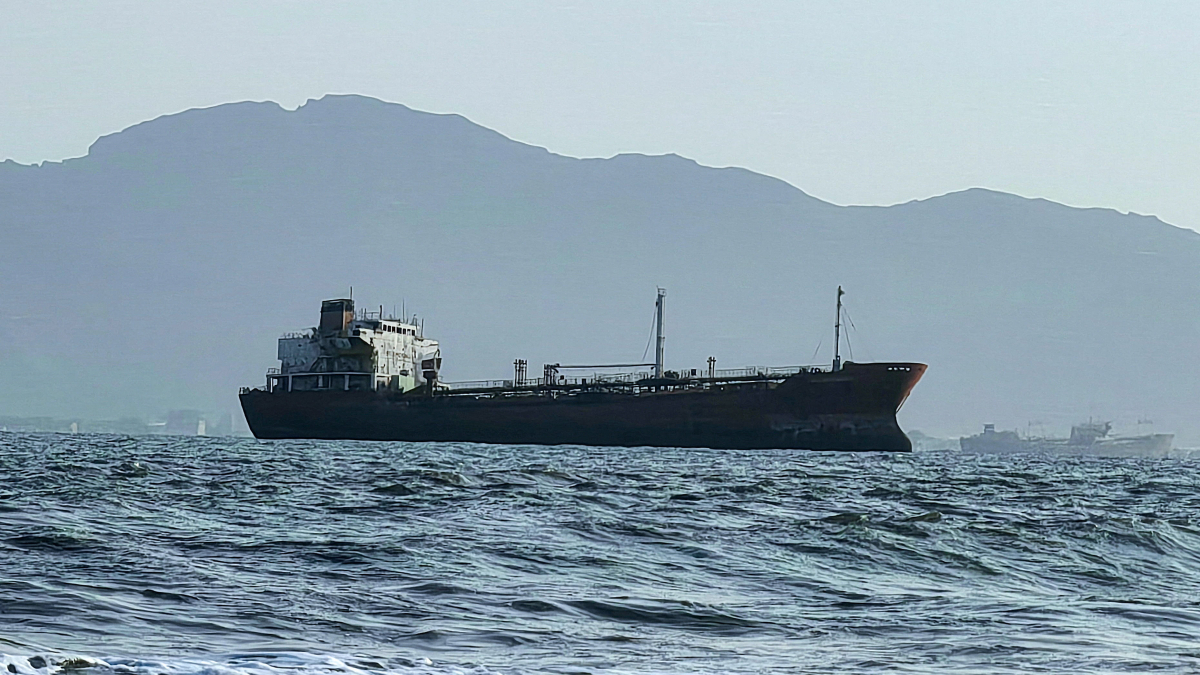
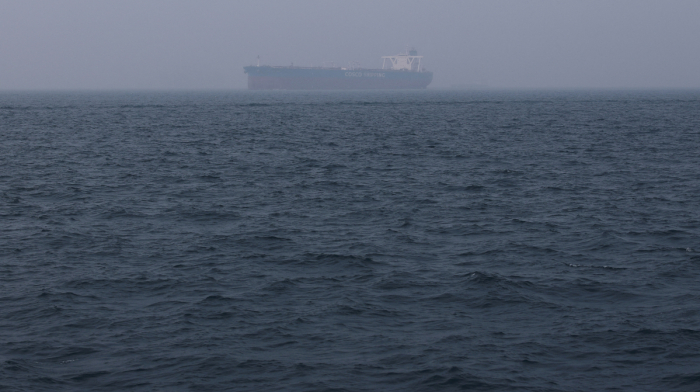
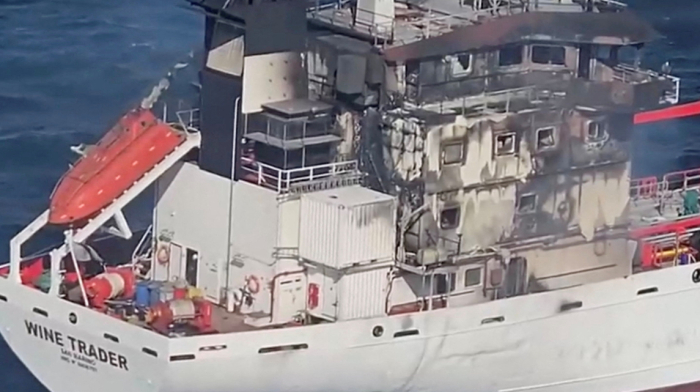
The latest warning followed Houthi claims that they had attacked the Saudi oil tankers Encelia and Layla after announcing a maritime embargo against the Kingdom. Saudi authorities confirmed that Encelia caught fire after being struck in the Red Sea, although all crew members were reported safe.
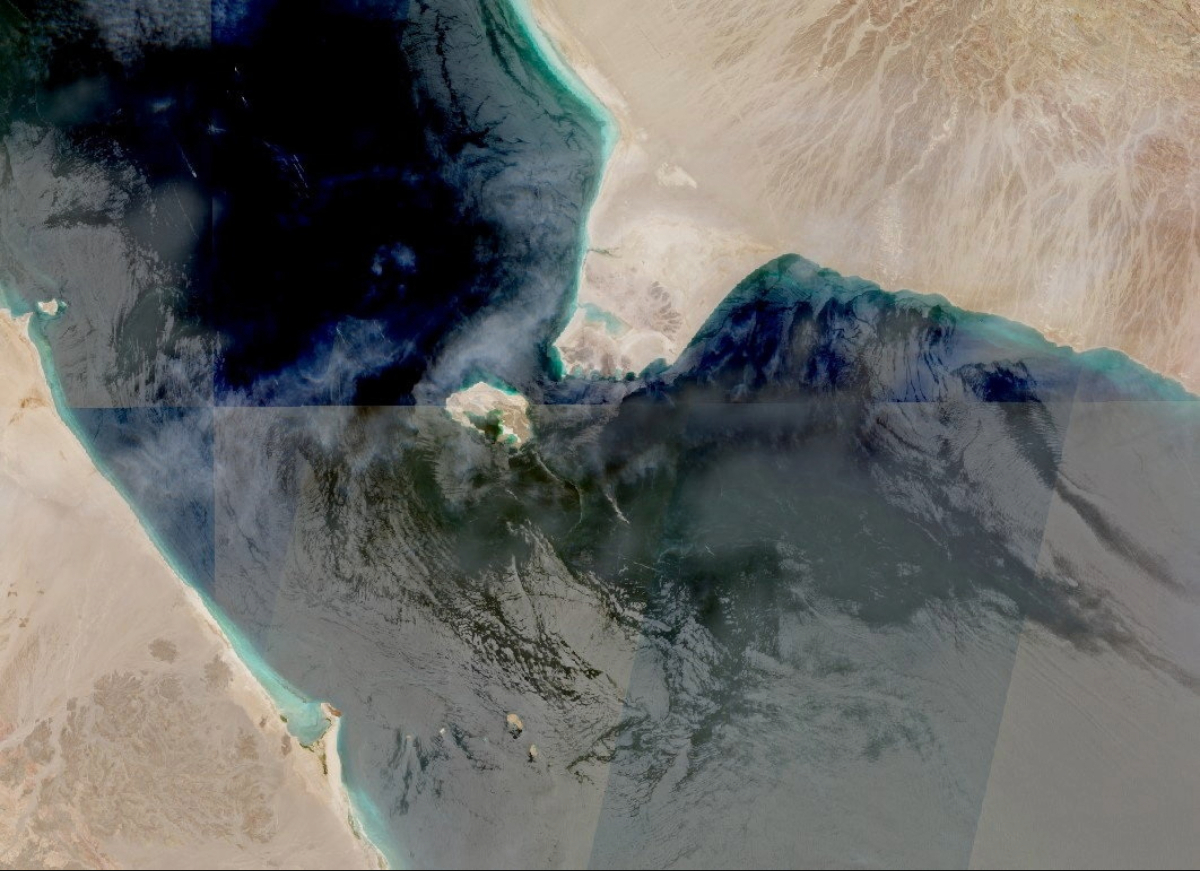
The crisis has sharpened focus on the Bab el-Mandeb Strait, the 27-kilometre waterway linking the Red Sea with the Gulf of Aden. It carries a significant share of global trade and energy supplies and has become even more critical as shipping faces disruption in the Strait of Hormuz.
Although no Pakistani vessel has been targeted, Islamabad's latest statements indicate that the security of the Red Sea is no longer viewed solely as a regional concern.
By linking its own national security to the safety of international shipping lanes, Pakistan is signalling that instability in the Middle East now has direct implications for global trade, energy markets and its own strategic interests.

















What is your opinion on this topic?
Leave the first comment