Pakistan is seeking fresh Turkish investment after Prime Minister Shehbaz Sharif and President Recep Tayyip Erdoğan agreed to deepen economic cooperation and reaffirmed their commitment to increase bilateral trade to $5 billion.
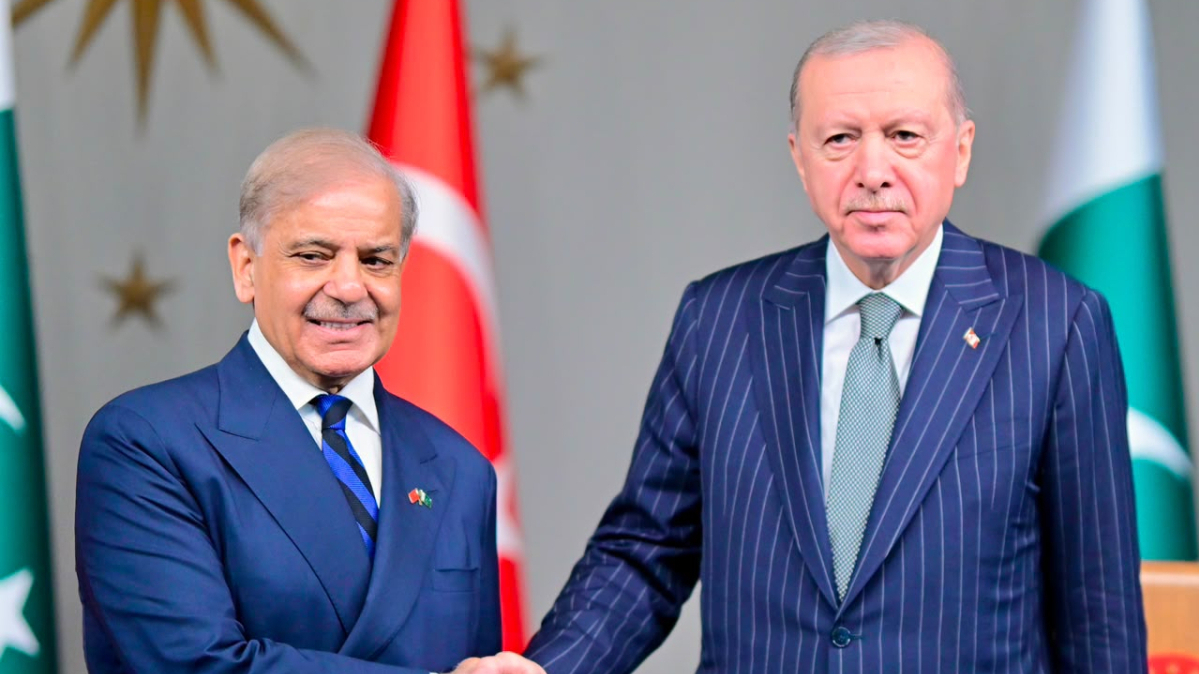
Pakistan sought to attract fresh Turkish investment on Saturday as Prime Minister Shehbaz Sharif and Turkish President Recep Tayyip Erdoğan agreed to deepen economic cooperation and reaffirmed their commitment to increase bilateral trade to $5 billion, signalling a renewed push to translate decades of close political ties into stronger commercial partnerships.
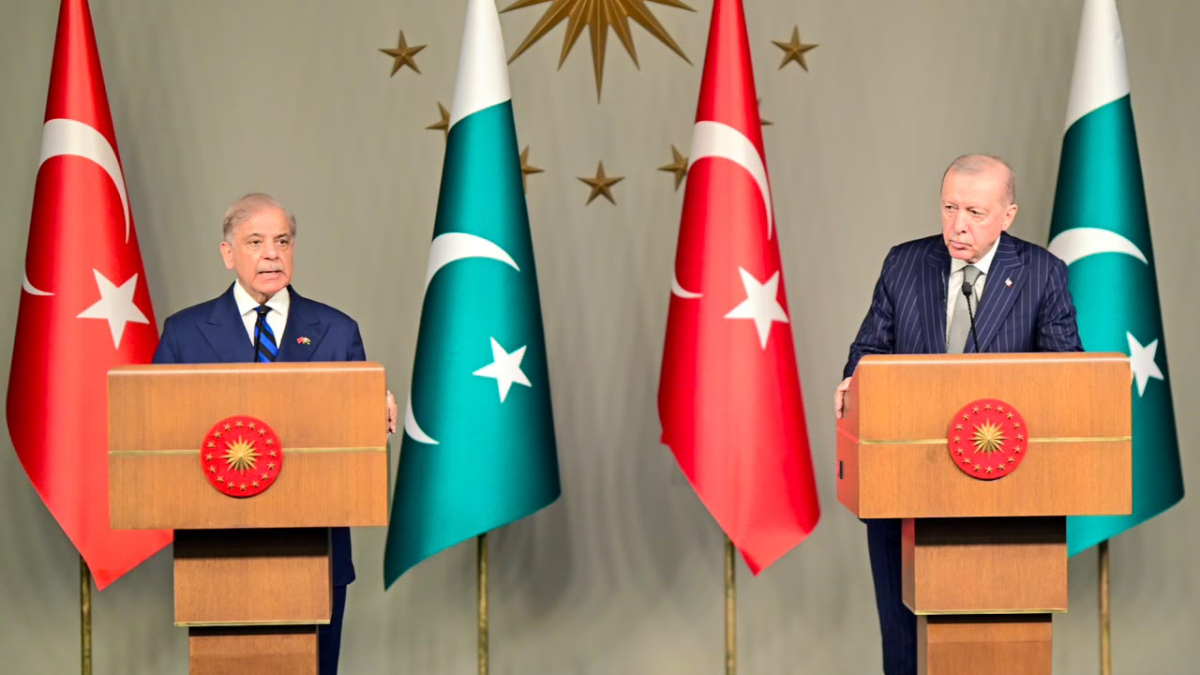
The commitment came during Sharif's official visit to Istanbul, where the two leaders held bilateral and delegation-level talks before addressing a joint press conference. Their discussions focused on expanding cooperation in trade, investment, defence, energy, transport, critical minerals and information technology, while preparations continue for the eighth session of the High-Level Strategic Cooperation Council later this year.
Pakistan targets Turkish investment across strategic sectors
Speaking at the Pakistan–Türkiye Business Conference, Deputy Prime Minister and Foreign Minister Ishaq Dar invited Turkish companies to invest in Pakistan's energy, mining and minerals, power infrastructure, manufacturing, agriculture, logistics, tourism, information technology and defence sectors.
Dar said Pakistan's economic reform programme, led by Prime Minister Shehbaz Sharif, aims to strengthen macroeconomic stability, improve investor confidence and create a more business-friendly investment environment.
He also identified artificial intelligence, fintech, advanced manufacturing and research partnerships as emerging areas for bilateral cooperation, saying economic diplomacy had become central to relations between the two countries.
Leaders reaffirm $5 billion trade target
Pakistan and Türkiye currently trade well below their shared ambition of $5 billion annually. Both leaders said expanding investment would be key to achieving that goal.
"We encourage our investors to be more active in Pakistan," Erdoğan said, adding that the two countries were working to establish a Special Economic Zone for Turkish businesses in Karachi while negotiations continued to expand the scope of the Preferential Trade Agreement. He also described defence cooperation as one of the pillars of bilateral economic relations.
Sharif said the agreements reached during the visit "will not remain words on paper" but would translate into stronger trade, investment and strategic cooperation.
Investment drive extends beyond traditional sectors
Ahead of the summit, Sharif met executives from leading Turkish companies and business organisations, including Çalık Holding, Albayrak Group, the Union of Chambers and Commodity Exchanges of Türkiye (TOBB) and telecommunications company Turkcell.
He invited Turkish firms to expand investment in energy, infrastructure, logistics, mining, information technology, telecommunications, manufacturing and agriculture.
Sharif also promoted Pakistan's improving macroeconomic outlook and highlighted the role of the Special Investment Facilitation Council (SIFC), which provides one-stop support for strategic investors.
In a separate meeting with Turkcell, he proposed establishing a Pakistan–Türkiye Digital Corridor and invited the company to explore cooperation in 5G deployment, digital infrastructure, software development and technology transfer.
Strategic partnership backed by regional diplomacy
Beyond economic cooperation, the two leaders reaffirmed support for each other's core national interests. Pakistan reiterated its support for Türkiye on the Turkish Republic of Northern Cyprus, while Ankara reaffirmed its longstanding support for Pakistan's position on Jammu and Kashmir.
The leaders also exchanged views on regional security. Erdoğan welcomed Pakistan's diplomatic efforts that contributed to the Islamabad Memorandum of Understanding, signed on 18 June, which helped end the U.S.-Iran conflict. He said Türkiye would continue supporting diplomatic initiatives aimed at reducing regional tensions.
The visit underscored Pakistan's broader effort to attract long-term foreign investment while strengthening one of its closest strategic partnerships, as both governments seek to convert decades of political alignment into deeper economic cooperation.













What is your opinion on this topic?
Leave the first comment