For Pakistan, helping create space for dialogue between the U.S. and Iran was never solely about diplomacy. It was about avoiding the economic and security consequences of a wider regional conflict.
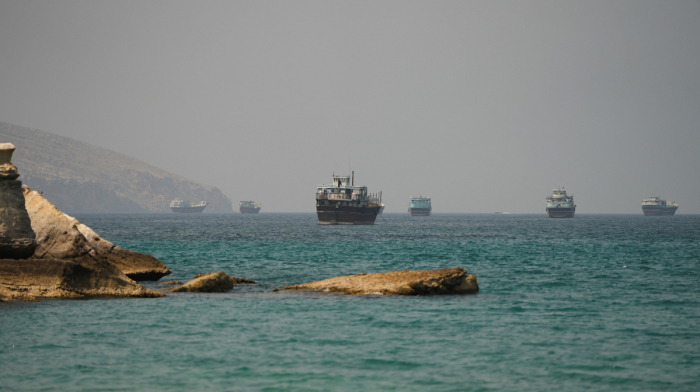
A prolonged confrontation between Washington and Tehran would have threatened Gulf shipping routes, driven up energy prices and placed fresh pressure on an economy that remains vulnerable to external shocks. With a nearly 900-kilometre border with Iran and deep economic ties to Gulf states, Pakistan had a direct stake in preventing escalation.
Recent negotiations between the U.S. and Iran, culminating in the Islamabad Memorandum of Understanding on 18 June, have reduced immediate tensions and opened a 60-day negotiating window to address more difficult issues, including sanctions relief, nuclear restrictions and regional security arrangements. While the diplomatic breakthrough has raised Pakistan's profile, the more important question is whether it can deliver lasting economic benefits.
From diplomatic visibility to economic value
Pakistan's role in facilitating dialogue has generated rare international recognition. For years, the country's global image has often been shaped by political instability, security challenges and economic crises. The recent diplomatic effort briefly shifted that narrative, positioning Islamabad as a country capable of contributing to the resolution of a major international dispute.
That visibility may strengthen Pakistan's engagement with partners across the Gulf, the U.S. and beyond. Yet diplomatic prestige alone does not generate trade, investment or economic growth.
The challenge now is converting political goodwill into tangible economic outcomes.
Why Iran matters economically
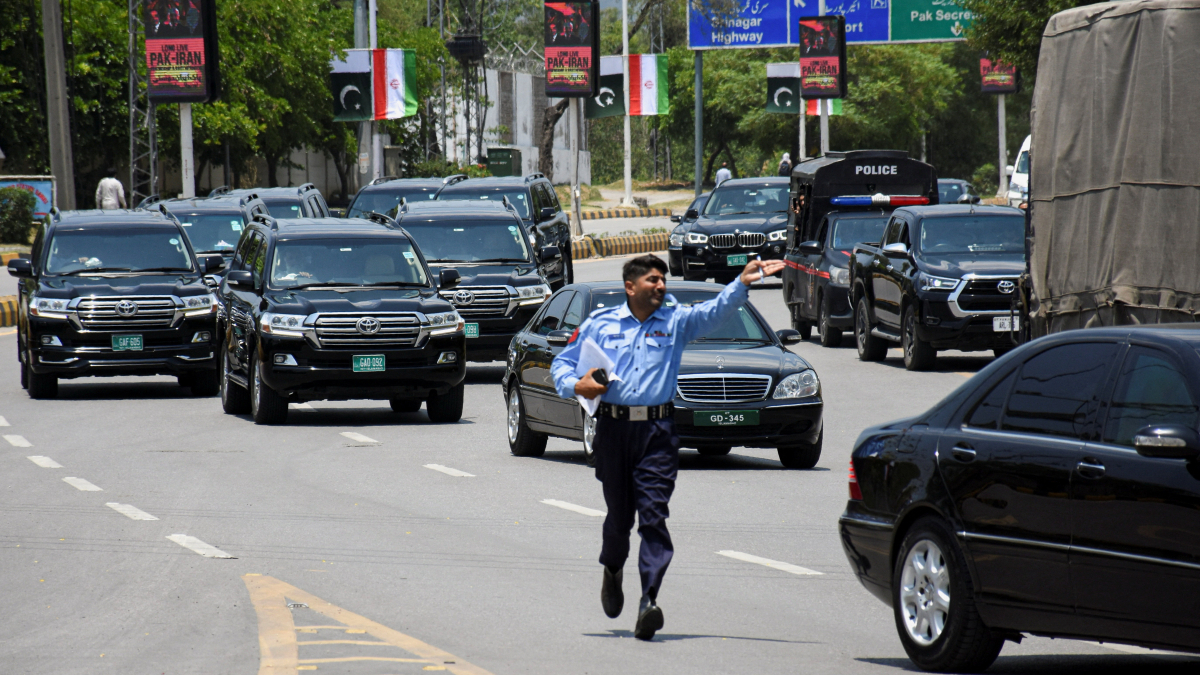
Iranian President Masoud Pezeshkian's visit to Pakistan reflects an effort by both sides to deepen co-operation in trade, energy, border security and regional connectivity, according to Pakistan's Foreign Office. The visit follows years of attempts to expand bilateral commerce. During Pezeshkian's previous visit after the 2025 Iran-Israel conflict, the two countries signed 12 agreements and reiterated a goal of increasing annual trade to $10 billion from roughly $3 billion.
Achieving that target remains challenging.
Sanctions, banking restrictions, infrastructure gaps and implementation hurdles continue to limit the scale of economic engagement between the neighbours. Even so, a gradual reintegration of Iran into regional commerce could create opportunities for cross-border trade, logistics and transport links along Pakistan's western frontier.
Beyond geography: can Pakistan turn Gwadar into a regional trade gateway?
A less isolated Iran could also reshape regional trade routes.
For years, Pakistan has promoted Gwadar and the China-Pakistan Economic Corridor as gateways connecting South Asia, the Gulf and Central Asia. If commercial activity expands across the region, Pakistan's geographic position could become a significant advantage.
But geography alone is not enough.
Pakistan's ability to benefit will depend on whether it can provide reliable regulations, modern infrastructure, efficient border management and consistent implementation of economic policies. Business groups have repeatedly pointed to a gap between official announcements and execution on the ground.
The diplomatic opening may be real. Whether it becomes a meaningful economic opportunity will depend less on decisions made in Tehran or Washington than on Pakistan's ability to act on the opportunity it helped create.















What is your opinion on this topic?
Leave the first comment