Upcoming vote puts Armenia's European future to the test
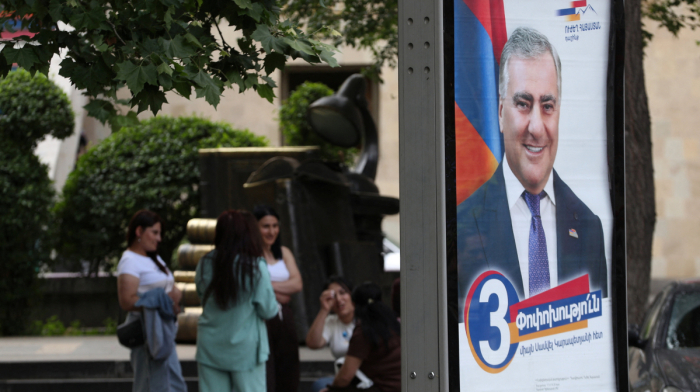
When Armenians vote on 7 June, they will be voting in an election shaped by months of political change and a rapidly deepening relationship with the E...
Iranian missiles struck multiple locations across Israel and neighbouring regions early Friday morning, including a Microsoft office complex, according to emergency responders and local media reports.
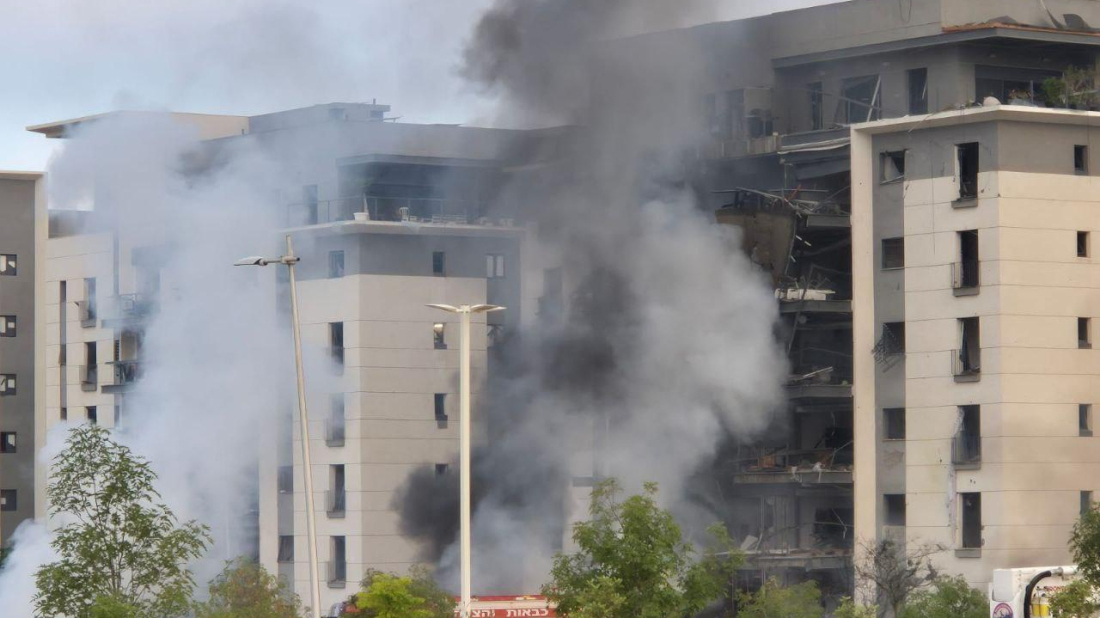
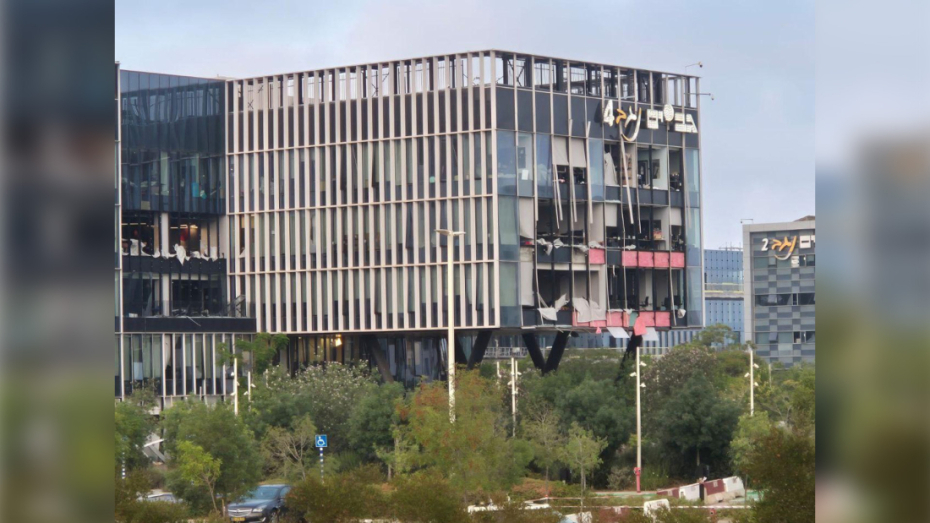
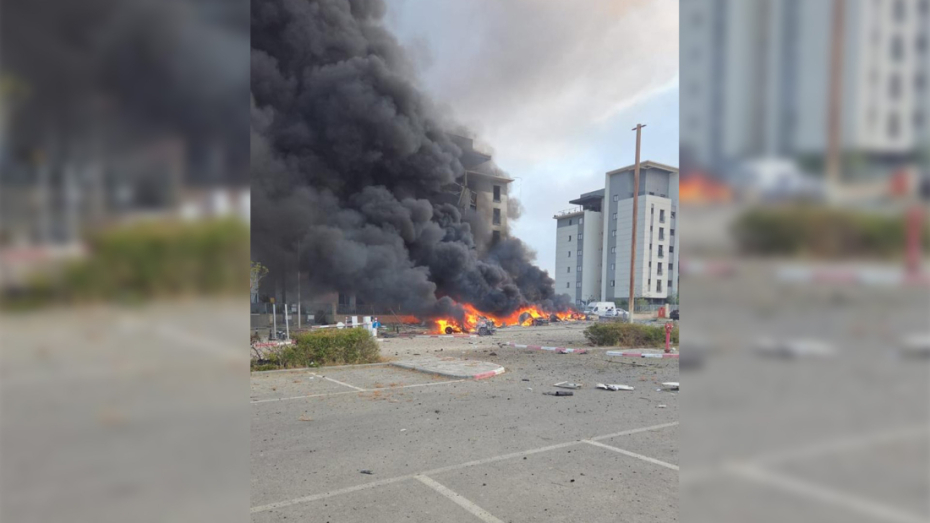
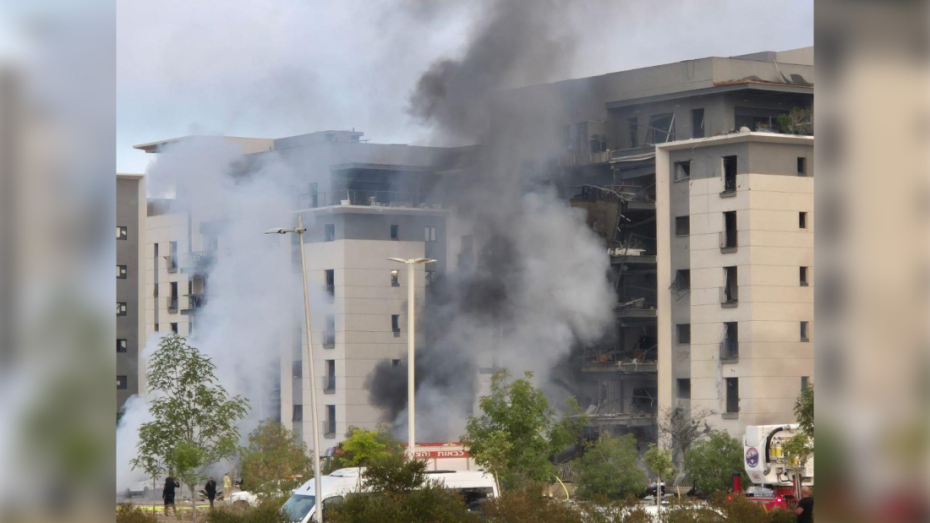
An Iranian ballistic missile struck the southern Israeli city of Beersheba, causing heavy damage near a Microsoft office and igniting fires at the impact site, according to local media and officials. There were no immediate reports of injuries.
Sirens sounded across Beersheba and surrounding towns ahead of the strike, part of a wider Iranian missile barrage in response to Israel’s ongoing air campaign targeting Iran’s military and nuclear infrastructure.
Smoke was seen rising near the Microsoft facility, where initial reports suggest the missile made direct impact. Fire crews are working to extinguish blazes in the area. The full extent of the damage to the Microsoft site has yet to be confirmed.
Beersheba’s mayor, quoted by Israeli outlets, confirmed the direct strike, calling it “a serious escalation” and urging residents to remain in shelters.
This comes as hostilities enter their second week, following Israel’s airstrikes last Friday (13 June) on Iranian military and nuclear sites, including the Arak and Natanz facilities. Tehran responded with waves of missile and drone attacks, targeting both military and civilian infrastructure across Israel.
The Microsoft strike is the second known direct hit on international corporate facilities, following earlier damage to a logistics hub near Tel Aviv. Israeli defense forces said they are assessing the trajectory and impact of today’s attacks and will respond "forcefully."
The escalation continues to fuel fears of broader regional involvement, as global powers call for restraint.
This is a developing story.

U.S. rapper Kanye West, now known as Ye, performed to a crowd of 118,000 people in Istanbul on Saturday night, marking his first concert in Europe in more than a decade, despite being barred from performing in several countries over past antisemitic remarks.
Okinawa lost transport links and suffered widespread power outages on Monday (1 June) as Severe Tropical Storm Jangmi brought destructive winds and heavy rain to Japan's south-western islands.
U.S. Secretary of State Marco Rubio has held talks with Lebanese President and Israeli Prime Minister on efforts to ease tensions between Israel and Lebanon. According to a U.S. official, Washington has proposed a plan aimed at achieving a gradual de-escalation of hostilities.
The World Health Organisation’s designation of the Bundibugyo Ebola virus outbreak as a Public Health Emergency of International Concern (PHEIC) is a stark reminder that Ebola remains a persistent global health threat rather than a disease of the past.
The Africa Centres for Disease Control and Prevention (Africa CDC) says the Ebola outbreak in the Democratic Republic of Congo and Uganda is continuing to spread, with 263 confirmed cases and 43 deaths reported as of 30 May.
After the dissolution of the Soviet Union in 1991, newly independent Armenia emerged with the promise of democracy. But in the years that followed conflicts and political assassinations sidetracked politics in the country, until a 2018 revolution restored momentum to the promise.
When Armenians vote on 7 June, they will be voting in an election shaped by months of political change and a rapidly deepening relationship with the European Union. The result may not only determine who governs Armenia but also the future direction of the country's geopolitical alignment.
The Baku-Tbilisi-Kars (BTK) railway is resuming operations on 2 June after extensive modernisation works. Officials from Azerbaijan, Georgia and Türkiye are set to gather in Akhalkalaki for a launch event marking the reopening of one of the Middle Corridor's most important transport links.
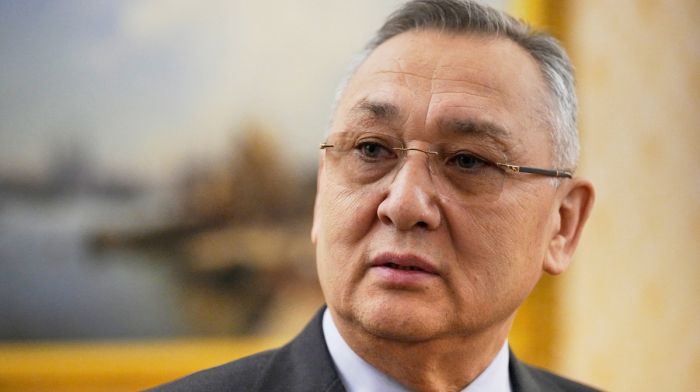
Kazakhstan is open to expanding its oil export routes through Azerbaijan and advancing joint energy infrastructure projects across the Caspian region, Energy Minister Yerlan Akkenzhenov told AnewZ in an exclusive interview in Baku.
Russia's Foreign Ministry spokeswoman Maria Zakharova praised Georgia for resisting Western pressure (30 May), defending its national interests and pursuing a "multi-vector foreign policy" - language that closely mirrors the rhetoric of the ruling Georgian Dream party.
You can download the AnewZ application from Play Store and the App Store.
What is your opinion on this topic?
Leave the first comment