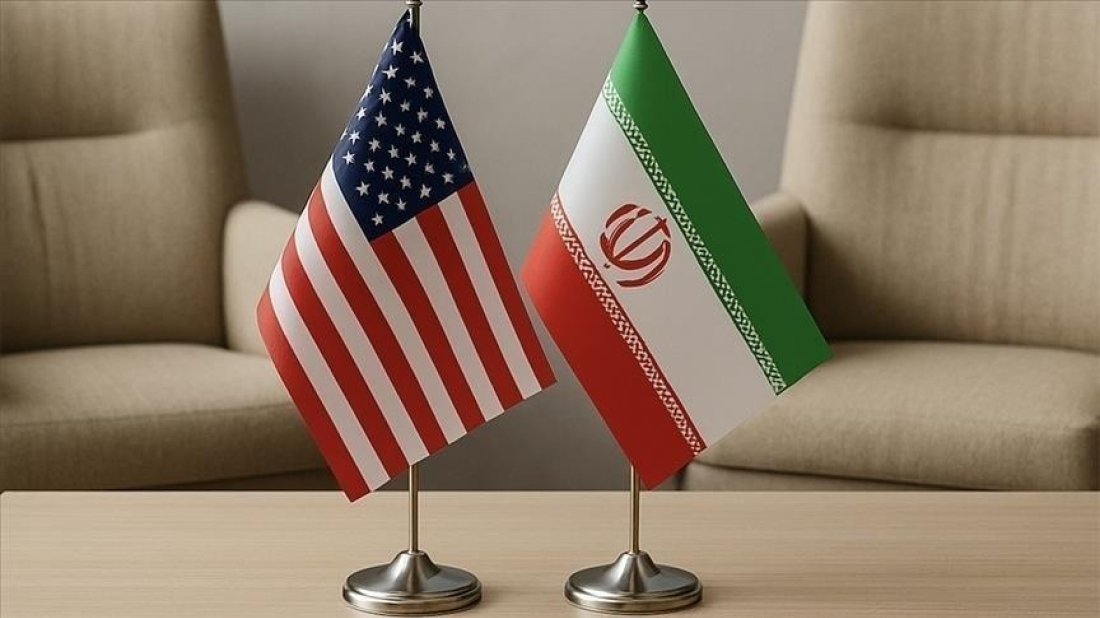
Iran and the United States resumed nuclear negotiations in Rome on Friday, with uranium enrichment remaining the core sticking point in a bid to revive diplomacy and ease economic sanctions on Tehran.
The talks, mediated by Oman at its embassy in the Italian capital, mark the fifth round in a tense and high-stakes series of back-channel engagements.
U.S. President Donald Trump’s administration has taken a hard line, demanding that Iran completely halt all uranium enrichment as a precondition for any sanctions relief. Iran, however, has remained defiant. Foreign Minister Abbas Araghchi stated on X early Friday that any deal without enrichment is off the table: “We do NOT have a deal.”
“Figuring out the path to a deal is not rocket science,” Araghchi added. “Time to decide.”
The American delegation, led by Mideast envoy Steve Witkoff and State Department policy director Michael Anton, has maintained that enrichment activities must cease entirely, a shift from earlier proposals that allowed enrichment up to 3.67%. This evolving U.S. stance has heightened tensions in already delicate negotiations.
A Deal Under Pressure
The goal of the talks is to limit Iran’s nuclear capabilities in return for lifting crushing U.S. sanctions—a path that would provide vital economic relief for the embattled Islamic Republic. However, the issue of uranium enrichment continues to block progress. A new report from the U.S. Defense Intelligence Agency warns that Iran could now produce weapons-grade uranium in less than one week if it chose to, though building a deliverable nuclear weapon would still take months.
One possible compromise under discussion is the creation of a regional uranium consortium—backed by the U.S. and Gulf states—to supply Iran with low-enriched uranium for peaceful energy use. However, Iran’s Foreign Ministry has so far rejected any proposal that would outsource enrichment, recalling the collapse of a similar fuel-swap offer in 2010.
Military Tensions and Regional Fallout
The negotiations are occurring against the backdrop of mounting regional instability. Israel has openly threatened to strike Iranian nuclear facilities if it perceives a threat, particularly amid the ongoing war in Gaza. Iran has responded with sharp warnings, asserting its right to defend its infrastructure and accusing the U.S. of complicity if an Israeli strike occurs.
On Thursday, Iran staged a public show of resolve, allowing students to form a human chain around the Fordo underground enrichment facility, a fortified site built into a mountain to deter airstrikes.
Domestic and Economic Pressures in Iran
Despite its assertive tone, Iran is under intense domestic and international pressure to reach a deal. The country is grappling with economic instability, driven by U.S. sanctions and internal unrest. Protests over the mandatory hijab, combined with fears of gasoline price hikes, have added to political volatility.
The Iranian rial, which plunged past 1 million per U.S. dollar last month, has slightly recovered as optimism over the negotiations grows. A successful agreement would not only stabilize the currency but also provide Tehran with much-needed leverage amid dwindling regional influence—especially following the fall of Syrian President Bashar al-Assad’s government in December, a major setback for Iran’s so-called Axis of Resistance.
Meanwhile, Washington has tightened the screws further. The U.S. this week imposed new sanctions targeting sodium perchlorate exports to Iran, a dual-use chemical reportedly shipped via China to the Shahid Rajaei port, the site of a deadly explosion in April that killed dozens during an earlier round of talks.
Outlook Uncertain
Whether the latest round of talks can yield a breakthrough remains uncertain. State Department spokesperson Tammy Bruce expressed optimism on Thursday: “We believe that we are going to succeed.”
However, as each side digs in over enrichment and with military tensions high, the path to a lasting agreement may still be as volatile as the region itself.









What is your opinion on this topic?
Leave the first comment