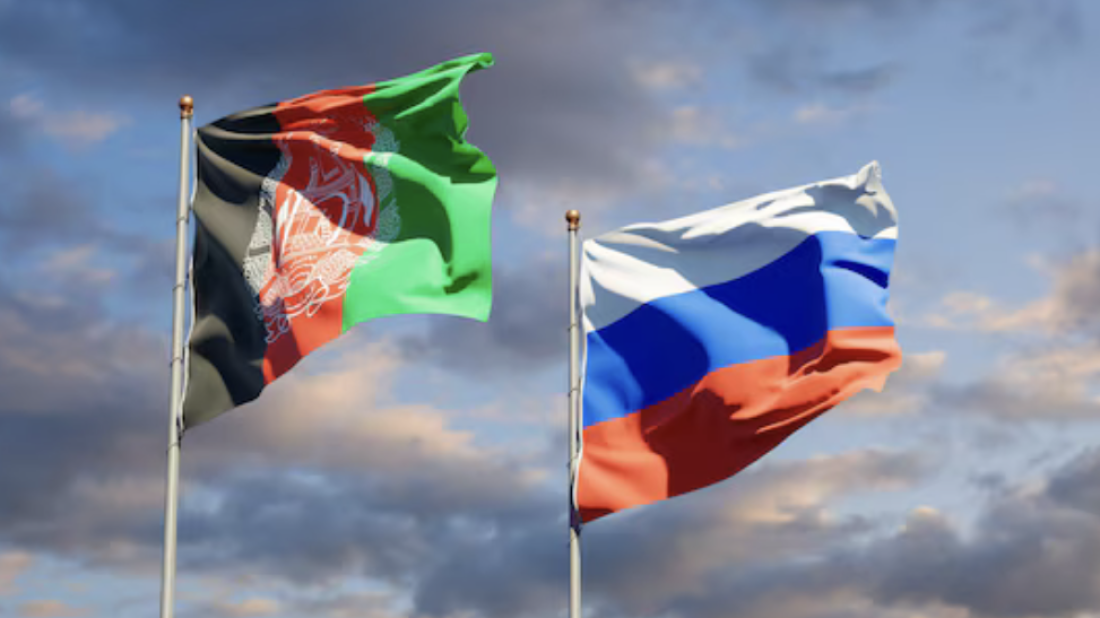
In a significant development for Afghanistan-Russia relations, Zamir Kabulov, Special Envoy of the Russian President, held high-level talks with Taliban officials in Kabul, signaling a further warming of ties between the two nations.
During his meeting with Acting Foreign Minister Amir Khan Muttaqi, the two sides discussed strengthening bilateral relations, expanding economic and trade cooperation, and addressing key regional issues.
Muttaqi expressed appreciation for Russia’s recent decision to remove the Taliban from its list of banned organizations, a move approved by the Russian Supreme Court last week. He also thanked Moscow for accepting an ambassadorial-level diplomat from the Taliban-led government, pledging that Afghanistan would soon appoint a representative to Russia at the same diplomatic rank.
This step marks a notable shift in Russia’s engagement with the Taliban, as most Western nations have either closed or significantly reduced their diplomatic presence in Kabul since the group’s return to power in 2021.
In a separate meeting, Kabulov also held talks with Acting Interior Minister Sirajuddin Haqqani, a prominent figure within the Taliban leadership. Their discussions focused on security cooperation, economic partnerships, and ways to enhance bilateral relations. These high-level engagements underscore Moscow’s growing willingness to work with the Taliban-led government despite its lack of formal international recognition.
Russia’s decision to delist the Taliban and upgrade diplomatic ties comes as part of its broader strategy to expand influence in Afghanistan following the withdrawal of Western forces. Unlike many Western nations, Russia has maintained its embassy in Kabul and has gradually increased its engagement with the Taliban, particularly in areas of mutual interest such as economic cooperation and regional stability.
With the legal barriers now removed, Moscow appears ready to move forward with economic and infrastructure projects in Afghanistan, further solidifying its foothold in the region.
Kabulov described the recent developments as a "new stage" in relations between the two countries, highlighting the growing diplomatic and economic collaboration. The move also aligns with Russia’s long-term objectives of preventing the spread of extremism in Central Asia and securing its strategic interests in a region where Western influence has waned.
These latest diplomatic exchanges suggest that Russia is positioning itself as a key player in Afghanistan’s future, with economic cooperation at the forefront of its agenda.










What is your opinion on this topic?
Leave the first comment