Jordan said its air force killed more than 20 Islamic State militants in strikes on southern Syria on Monday night.
The attacks - which the kingdom said on Monday were conducted in coordination with Damascus - avoided known civilian areas, Jordan's Government Communication Minister, Mohammed al-Momani, said on X on Tuesday.
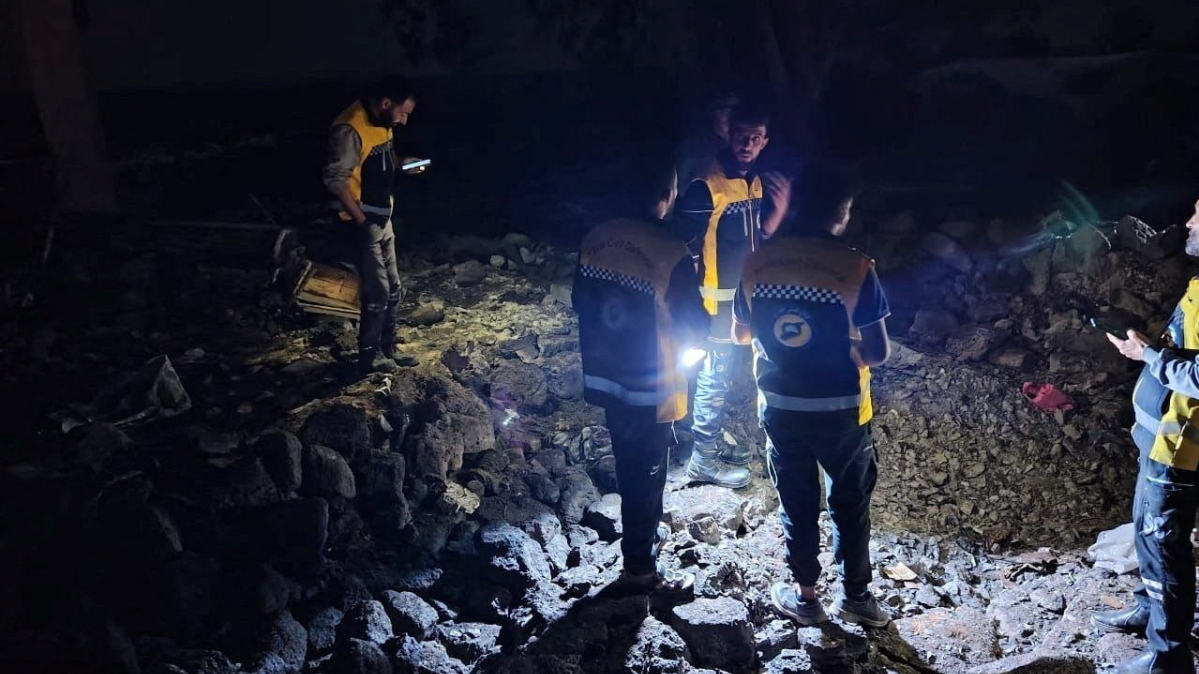
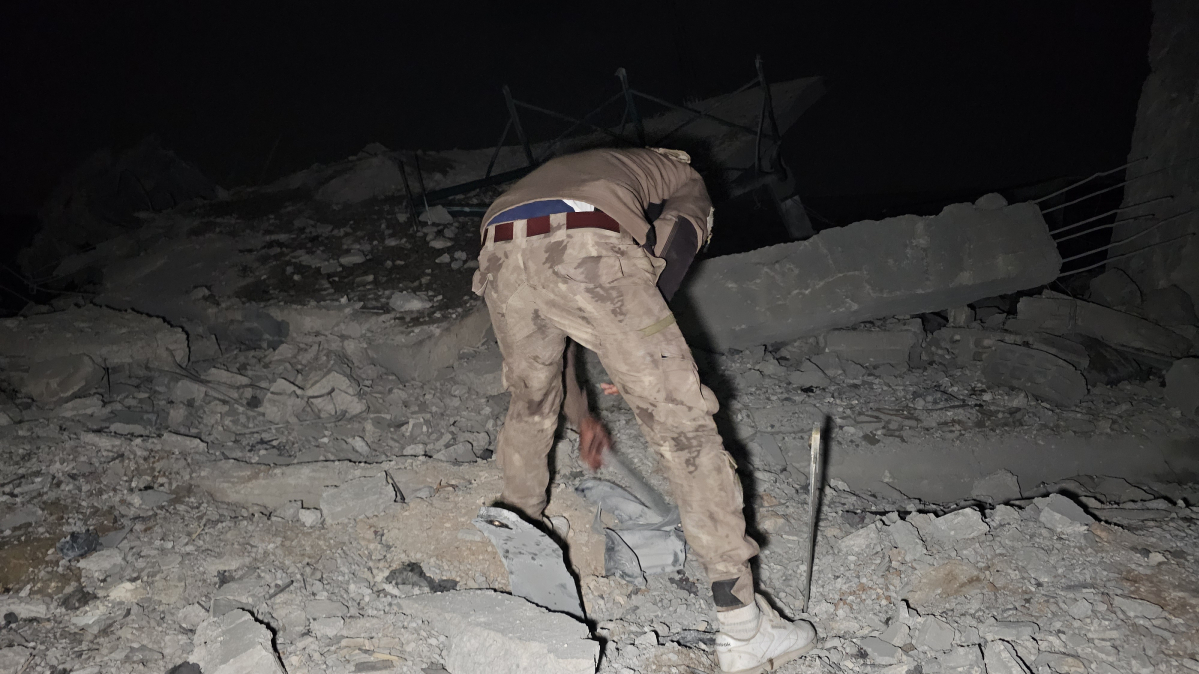
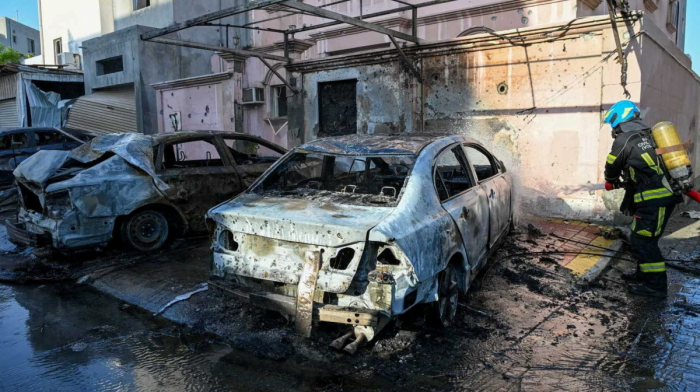
However, Syrian authorities had said the Jordanian strikes killed at least seven people, including three children and a woman, in a preliminary report issued on Monday night.
Syria has formally protested to Jordan over the airstrikes carried out in the southern province of Daraa, saying the operation was conducted without prior coordination.
According to Syria's Foreign Ministry, Damascus has conveyed its objections to Jordan and is holding ongoing contacts with Jordanian officials to clarify the circumstances surrounding the attack and address its consequences while preserving Syria's security and sovereignty.
The ministry expressed regret over the loss of life and injuries caused by the operation, which struck areas in Daraa province near the Jordanian border.
Syria launches an investigation
Syrian officials said an investigation had been launched into the incident and pledged support for families affected by the bombardment. The government also stressed the importance of closer security and operational coordination between the two neighbouring countries when dealing with threats in border regions.
The strikes have added to tensions along a frontier that has long been vulnerable to smuggling, militant activity and wider instability linked to Syria's conflict.
Jordan links operation to church attack
Jordan's military said its air force targeted locations used by what it described as terrorist organisations operating in southern Syria.
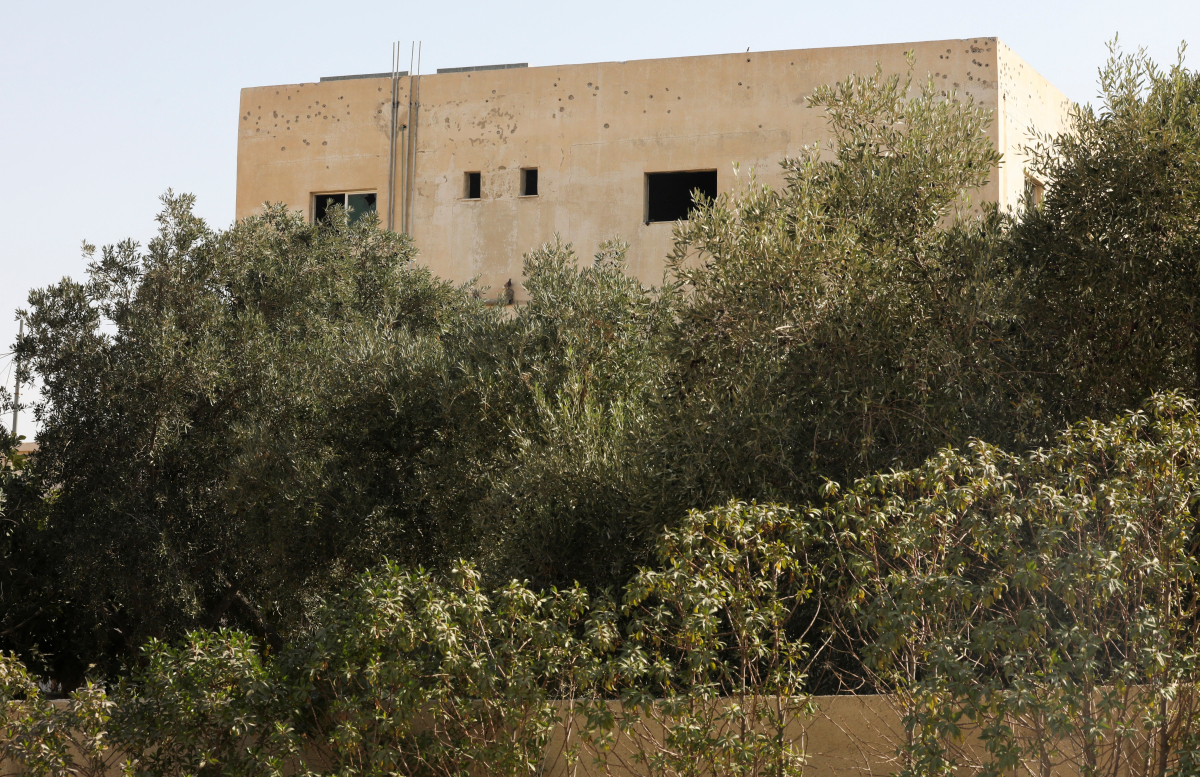
According to the Jordanian army, the operation was carried out in response to a deadly attack on Friday in the southern Jordanian city of Karak, where gunmen opened fire on mourners gathered for a funeral procession at Hamoud Church.
Jordanian authorities said nine people were killed in the attack.
The military said the airstrikes destroyed vehicles and facilities associated with the groups it blamed for the assault and resulted in casualties among those involved. However, it did not identify the organisations allegedly targeted, specify the exact locations hit, or provide casualty figures.
Suspects arrested after shootout
Jordan's Public Security Directorate said security forces arrested three suspects linked to the church attack during a shootout in Karak on Monday.
All three suspects were wounded during the operation, while no Jordanian security personnel were injured, according to the authorities.
Officials did not immediately provide further details on the identities of those detained or any charges they may face.
Border crossing suspended
Hours after the diplomatic dispute emerged, Syria shut the Nasib border crossing, one of the main gateways between the two countries.
The General Authority for Ports and Customs said passenger and commercial traffic had been suspended in both directions because of the security situation in Daraa province.
Officials said the measure was intended to protect travellers and border personnel as authorities monitored developments on the ground.
The closure is expected to affect trade and movement between Syria and Jordan, which have worked in recent years to restore economic links following years of disruption caused by the Syrian conflict.
Fallout continues
The latest episode highlights the fragile security situation along the Syria-Jordan border, where both countries have faced concerns over cross-border violence and militant activity.
While Jordan says the strikes were aimed at groups it holds responsible for the attack in Karak, Syria maintains that the operation caused civilian casualties and was carried out without coordination with Damascus.
With investigations under way on both sides and diplomatic contacts continuing, attention is now focused on whether the two governments can prevent the incident from causing a deeper deterioration in relations.














What is your opinion on this topic?
Leave the first comment