The World Food Programme (WFP) is scaling up its emergency response in Yemen as renewed fighting forces tens of thousands of people from their homes, putting further strain on the country’s already fragile food system.
Carl Skau, the WFP’s acting executive director, said the agency had already provided food and hot meals to around 60,000 people, but warned that far more assistance would be needed as the crisis deepens.
“We are stepping up.”
Speaking to Reuters on the sidelines of the UN General Assembly in New York, Skau said the WFP was increasing supplies to prepare for what could become a much larger humanitarian emergency.
Tens of thousands forced from their homes
The latest escalation follows an advance by Houthi forces along Yemen’s Red Sea coast. According to UN figures, nearly 700 people have been killed and thousands injured in the fighting.
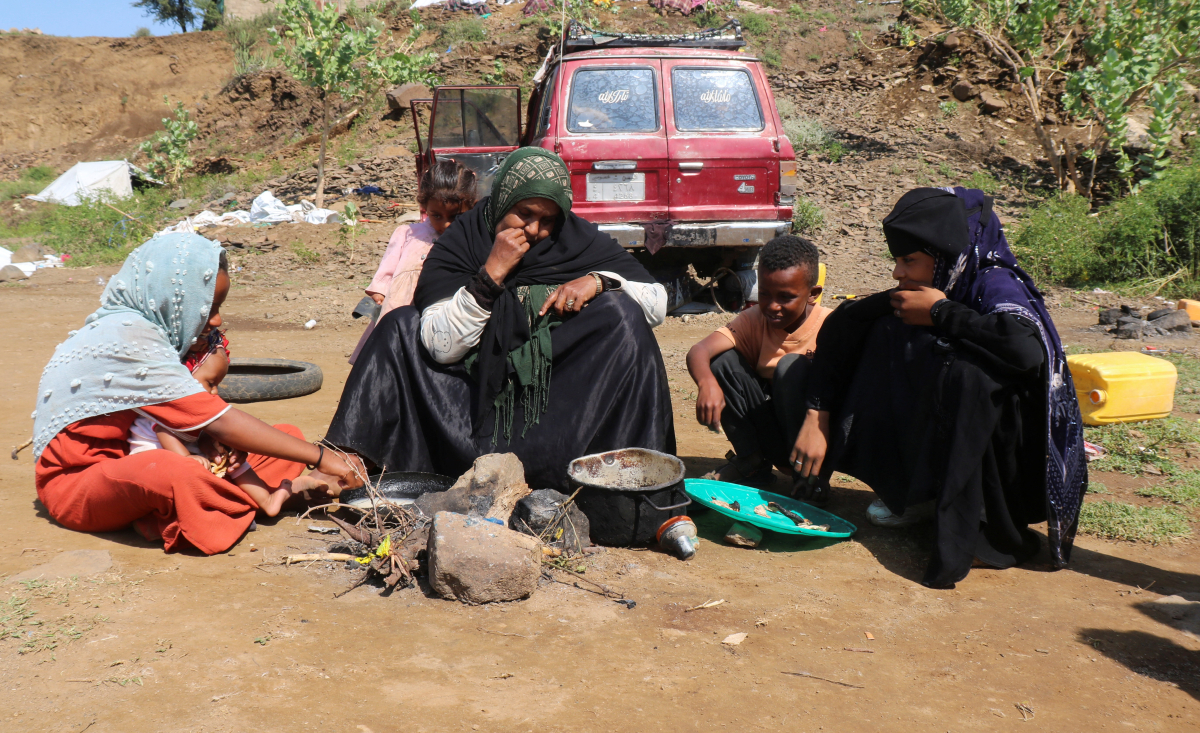
More than 120,000 people have been displaced within Yemen, while thousands have crossed the Red Sea by boat to seek safety in Africa.
For families who have already endured years of conflict, the latest displacement is bringing further hardship.
Skau said displacement camps were struggling to cope with the influx, with many already facing shortages of funding and basic services.
“People are not eating enough, there is no health care,” he said, adding that tens of thousands of newly displaced people were arriving with little or nothing.
Country already facing severe hunger
The fighting is unfolding against the backdrop of an existing hunger crisis. WFP data shows more than 18 million people in Yemen - around half of the population - face acute food insecurity.
Some 2.2 million children under the age of five are also acutely malnourished.
Disruption at Yemen’s ports and to other transport links is making the situation increasingly precarious. The country relies heavily on imported food, with around 90 per cent of its supplies coming from abroad.
“When ports are not working or when airports are not working, that's having an impact on food security in Yemen,” Skau said.
Skau, who recently visited Yemen, said vulnerable communities were already feeling the effects of the crisis.
Aid operations face growing obstacles
The WFP is also facing significant obstacles to delivering assistance in areas controlled by the Houthis.
Skau said UN offices in northern Yemen remained occupied and aid assets had been confiscated, while dozens of UN staff had been detained.
“Under such circumstances it's very difficult for us to operate,” he said.
The restrictions come as humanitarian organisations struggle with severe funding shortages.
WFP appeals for more support
Skau said the WFP, the UN’s largest agency by budget, had been forced to cut some life-saving assistance because of severe funding shortfalls.
He said he would use the UN General Assembly in New York to press governments for additional financial support.
The appeal comes as world leaders gather amid widening regional tensions. Fighting in Yemen has intensified the humanitarian crisis while adding pressure on shipping routes through the Red Sea and surrounding waters.
For those arriving at overcrowded displacement camps, however, the priorities are more immediate: securing enough food, shelter and medical care to get through another day.
Read more:
















What is your opinion on this topic?
Leave the first comment