Saudi Arabia and France have reaffirmed their support for Palestinian statehood and called for Israel to withdraw from all Lebanese territory, as the two countries sought closer coordination on some of the Middle East’s most pressing conflicts.
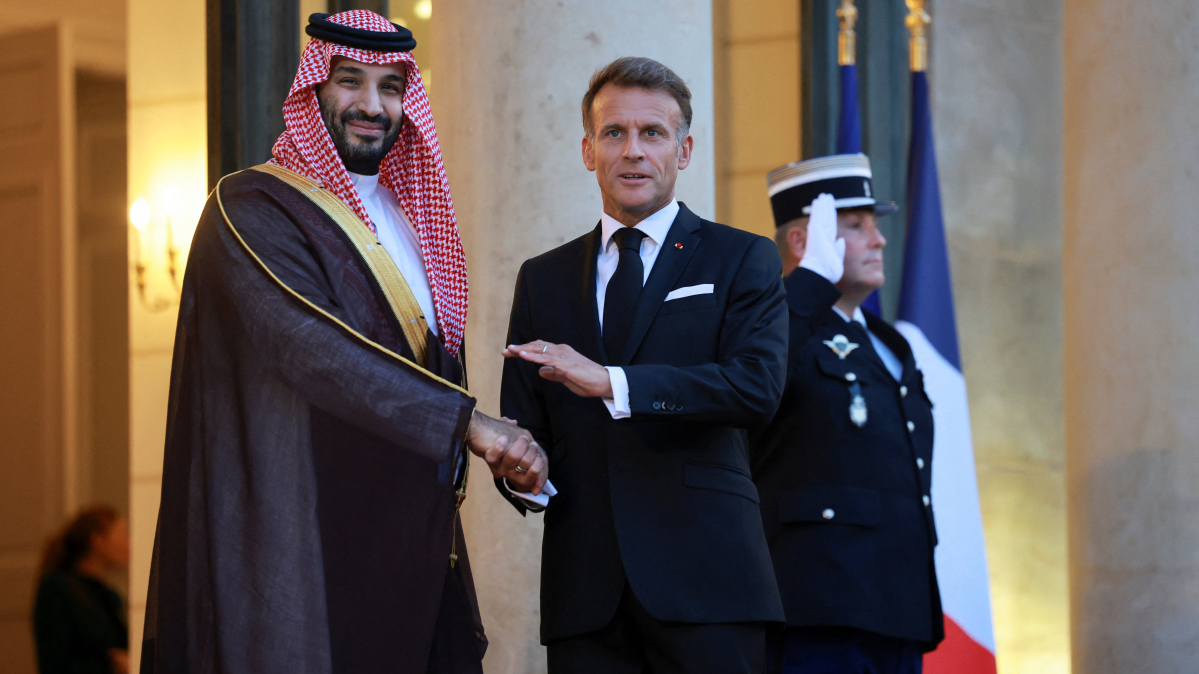
The positions were set out in a joint statement issued on Monday (24 August) at the end of Saudi Crown Prince Mohammed bin Salman’s state visit to France, where he met President Emmanuel Macron and co-chaired the first meeting of the Saudi-French Strategic Partnership Council.
The two countries said their approach to regional stability was rooted in respect for national sovereignty, international law and diplomatic solutions.
They also both signed several agreements to strengthen bilateral cooperation, including their defence partnership, at the Élysée Palace in Paris on Monday, Saudi state television reported.
Gaza and the two-state solution
On the Palestinian issue, Riyadh and Paris rejected efforts to undermine the right of Palestinians to establish an independent state based on the 1967 borders.
They also called for an end to Israeli settlement activity and violence by Israeli settlers, warning that such actions threaten the viability of a two-state solution.
The two governments said conditions must be created for a sustainable ceasefire in Gaza, alongside the urgent and unhindered delivery of humanitarian assistance.
They also welcomed an agreement on the disarmament of Hamas and called for it to be implemented, while backing reforms by the Palestinian Authority and plans for presidential and legislative elections.
The emphasis on Palestinian statehood reflects a broader diplomatic push by both Saudi Arabia and France for a political settlement to the Israeli-Palestinian conflict, at a time when the war in Gaza has deepened regional tensions and intensified international pressure for a two-state solution.
Call for Israeli withdrawal from Lebanon
Saudi Arabia and France also agreed to step up efforts towards a lasting political settlement in Lebanon.
The two sides called for the full implementation of United Nations Security Council Resolution 1701, which underpins the cessation of hostilities between Israel and Hezbollah, and urged the disarmament of all armed groups operating outside state control.
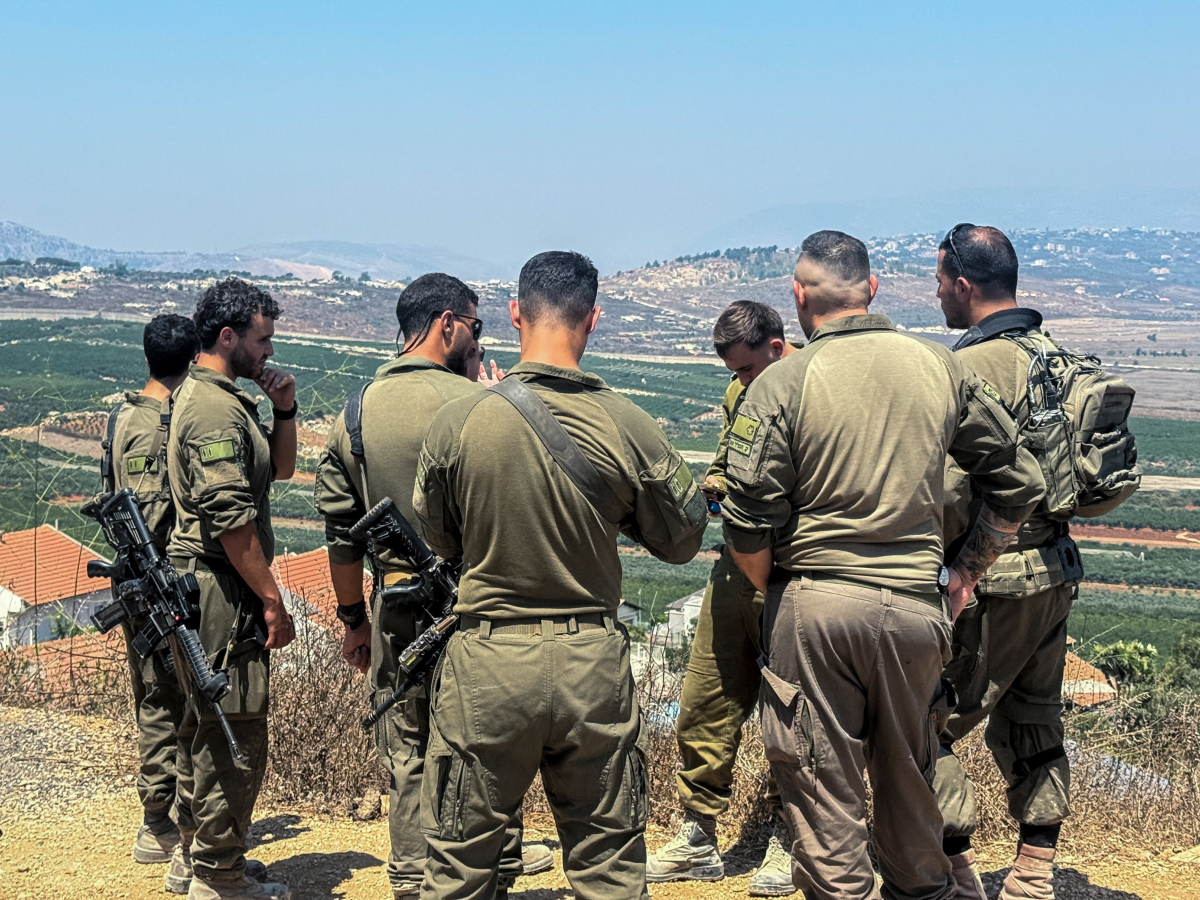
Crucially, they called for Israel to withdraw from all Lebanese territory and reaffirmed their support for the Lebanese Armed Forces and other state security institutions.
The two governments said strengthening Lebanon’s sovereignty and institutions was essential to restoring stability after years of political and economic turmoil.
Diplomacy urged over Iran
Riyadh and Paris also called for a negotiated solution to tensions with Iran, stressing the importance of diplomacy to prevent further escalation.
They urged Tehran to resume full cooperation with the International Atomic Energy Agency (IAEA) and reiterated support for ensuring that Iran’s nuclear programme remains peaceful.
The statement also condemned attacks on vessels and threats to navigation in the Strait of Hormuz, calling for shipping conditions to return to those in place before U.S. and Israeli strikes on Iran on 28 February.
The two countries stressed the importance of freedom of navigation and passage without direct or indirect fees or restrictions.
Wider cooperation across the region
The joint statement extended beyond the immediate conflicts in Gaza, Lebanon and Iran.
On Syria, Saudi Arabia and France reaffirmed their support for the country’s unity, stability and economic recovery, highlighting the importance of strong state institutions and increased investment.
The countries welcomed the creation of a Saudi-Syrian-French Business Council and described Syria as having the potential to connect Europe, the Gulf and Asia.
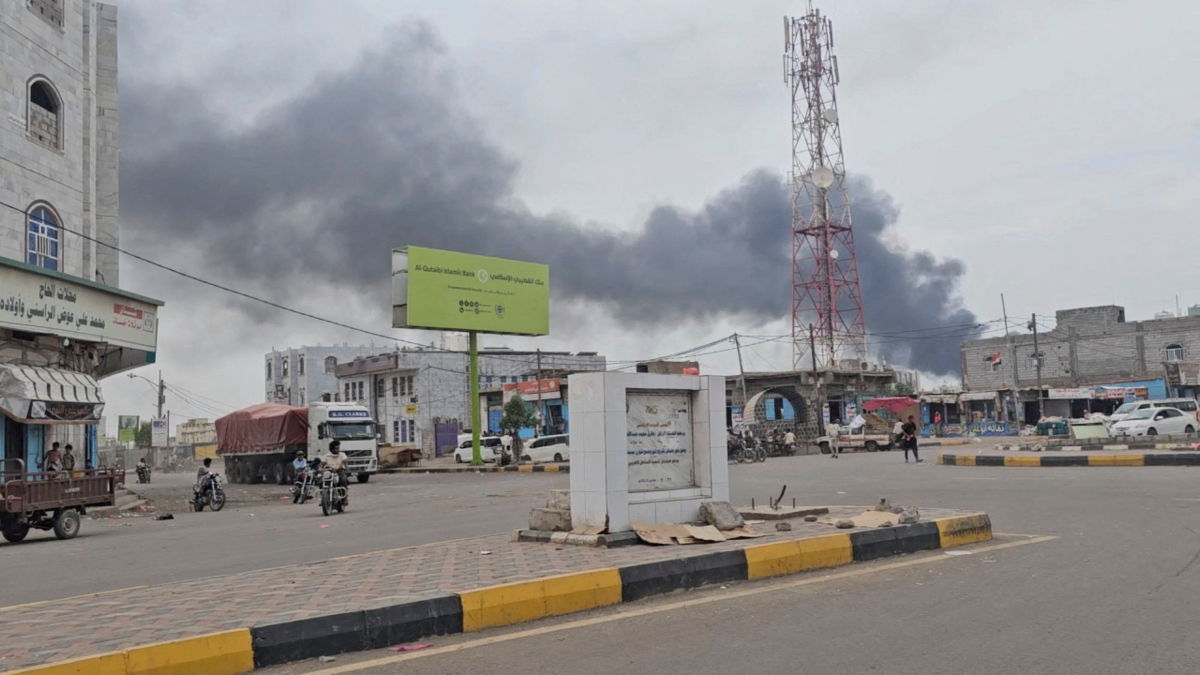
On Yemen, Riyadh and Paris backed the Presidential Leadership Council and UN-led efforts towards a comprehensive political settlement. They condemned Houthi attacks on Saudi civilian and vital infrastructure, as well as attacks on commercial shipping.
France also expressed its “full solidarity” with Saudi Arabia and rejected attacks on its territory.
The two countries similarly called for stronger international efforts to end the conflict in Sudan, while stressing the need to protect its sovereignty, territorial integrity and state institutions.
Read more about the Middle East:













What is your opinion on this topic?
Leave the first comment