Iran said it has received overtures from regional mediators aimed at de-escalating the ongoing military standoff between Tehran and Washington.
It also stressed that the Islamic Republic would continue defending its dignity and sovereignty for as long as the United States continued its policy of "intimidation and aggression".
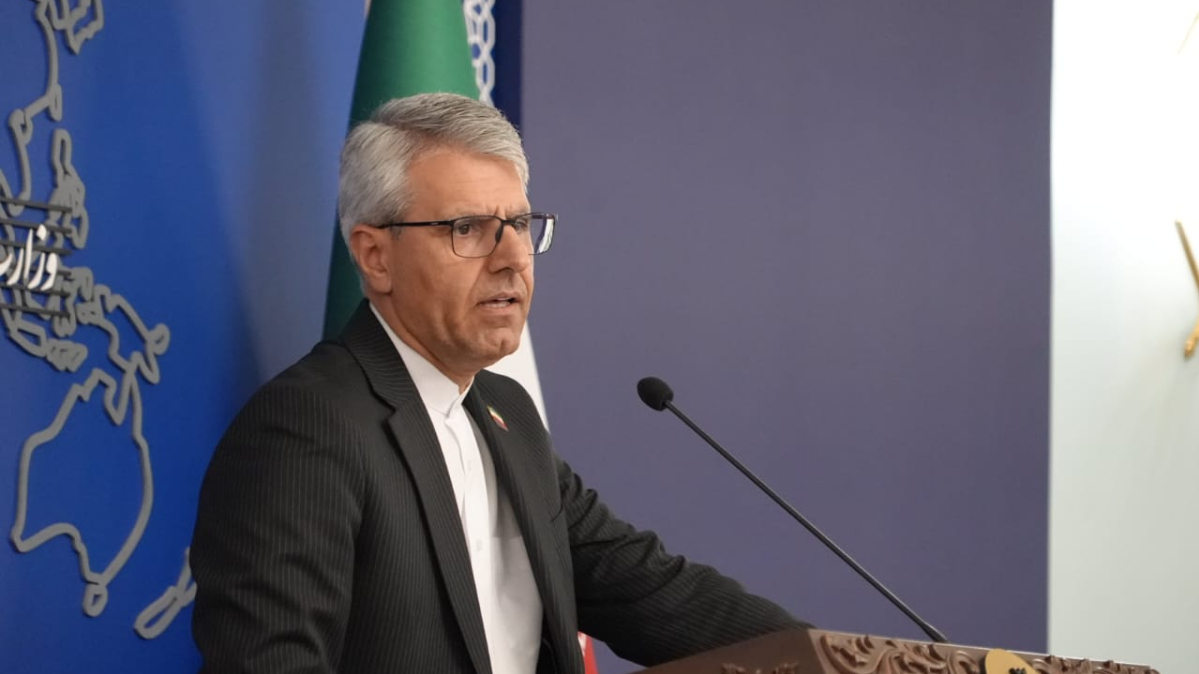
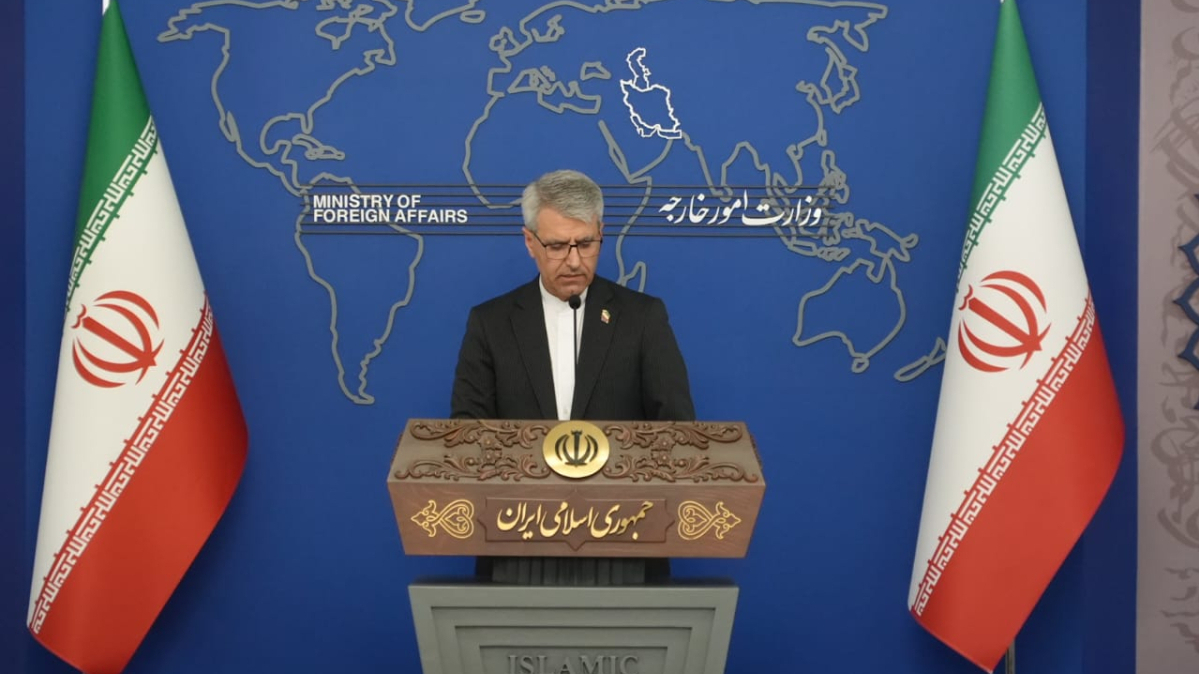
The announcement was made on Monday by Foreign Ministry spokesman Esmaeil Baghaei during a weekly press briefing in Tehran.
"The proposals made through the mediators have been communicated to us and we have received them, but let me not go into their details at this time. The main point is that the diplomatic apparatus has been active these days and ideas have been conveyed to Iran by some mediators.”
"Yes, it is confirmed. The main point is that mediators are working and trying to prevent the escalation of tension," he added, without providing details on the overtures or the countries involved.
Iran condemns U.S. strikes
Baghaei strongly condemned the new wave of U.S. strikes on civilian infrastructure, including bridges and water installations in southern Iran, saying no claim could justify attacks on non-military targets, which he described as war crimes.
Saying Iran was pursuing every available measure to stop the U.S. from committing what it called war crimes, the spokesman stated: "While our Armed forces are reacting with strength and power and destroying the source and origin of the American aggression, diplomacy also knows its duties well and is not leaving any effort."
Responding to a question about remarks by U.S. Secretary of State Marco Rubio that Washington remained open to diplomacy with Tehran, Baghaei said that as long as the U.S. pursued a policy of intimidation and aggression, Iran would continue to respond with force to uphold its sovereignty.
"We have seen and tested their readiness many times. When the U.S. talks about diplomacy, it means imposition, intimidation, threats, and sanctions. And certainly, as long as they remain in such a setting and seek to impose their demands on the Iranian nation, our response will certainly be to defend Iran's dignity and national sovereignty.”
Dispute over islands and nuclear facilities
Baghaei also rejected remarks by U.S. President Donald Trump on plans to occupy Iran's islands in the Persian Gulf.
"They will face the consequences. I think there are people in those areas, not a small number, who are counting down to welcome these people," he said, referring to the readiness of local residents on the Iranian islands to repel U.S. forces.
Baghaei also condemned the U.S. attack on Iran's under-construction power plant in Darkhoein, in Khuzestan Province, urging the International Atomic Energy Agency (IAEA) to break its silence and condemn attacks on nuclear sites under UN verification.
"This silence and indifference will certainly not strengthen our confidence in the Agency. Its failure to state its position does not change the essence of the matter. The essence of the matter is that attacking a country's peaceful nuclear facilities is absolutely against all international rules," he said.
Tehran has suspended ties with the UN nuclear watchdog after its chief, Rafael Grossi, failed to condemn the Israeli-U.S. attacks on Iran's civilian nuclear facilities. It has also barred IAEA inspectors from visiting sites damaged in the air raids in 2025 and 2026.
Regional message
Asked about Tehran's message to regional countries hosting U.S. bases that were targeted by Iranian missile and drone strikes, Baghaei urged neighbouring and regional countries to stop allowing the U.S. military to use their territory and airspace to launch attacks on Iran.
"What we are doing is defending ourselves based on the inherent right of self-defense, and as long as these crimes and military aggressions against Iran continue, our Armed Forces will naturally respond," he said.
Baghaei confirmed that a high-ranking Iraqi delegation would visit Iran on Thursday for bilateral and regional discussions, but did not confirm whether Iraqi Prime Minister Mohammed Shia' Al Sudani's visit would include mediation between Tehran and Washington.
"We welcome him and his accompanying delegation and are confident that this visit can be a turning point in the growing relationship between the two Muslim and neighbouring countries."















What is your opinion on this topic?
Leave the first comment