Global leaders and diplomats gathered in southern Türkiye on 17 April for the fifth Antalya Diplomacy Forum, focusing on uncertainty, conflict, and the future of global cooperation.
The opening day has been busy, with high-level discussions and a packed schedule of speakers. The forum is being held under the theme “Mapping Tomorrow, Managing Uncertainties”, reflecting growing global instability.
Among those attending are Ilham Aliyev, senior officials from across Europe, Asia and Africa, and Ukraine’s foreign minister.
The forum was formally opened by Turkish President Recep Tayyip Erdoğan.
Focus on conflict and uncertainty
The discussions come at a tense time globally. Delegates are holding talks on the sidelines about the ongoing tensions involving the U.S., Israel and Iran, which began earlier this year.
Speakers have stressed the need to prepare for an uncertain future, with many pointing to rising tensions and weakening global cooperation.
The forum has quickly become a space where leaders can speak openly and exchange ideas face-to-face.
On the sidelines of the forum, Azerbaijani President Ilham Aliyev held a series of bilateral meetings with international leaders. A video of his working visit to Türkiye was also shared on his official social media accounts.
The President met with Ahmed al-Sharaa, Transitional President of Syria, where the sides discussed energy cooperation, including potential Azerbaijani gas exports to Syria via Türkiye.
The project was described as important for strengthening Syria’s energy security and development. Both sides also stressed the importance of resolving regional tensions through diplomacy.
Aliyev also met Tufan Erhürman, President of the Turkish Republic of Northern Cyprus, where discussions focused on Azerbaijan’s continued support and bilateral cooperation.
In another meeting, Aliyev held talks with Moldovan President Maia Sandu. The two sides highlighted opportunities for expanding energy cooperation and Azerbaijan’s support to Moldova during previous energy challenges.
He also met Pakistani Prime Minister Muhammad Shehbaz Sharif and Turkish President Recep Tayyip Erdoğan, discussing bilateral relations and regional cooperation.
One of the key discussions on the first day centred on how regions can take greater control of their own challenges.
The panel, moderated by broadcaster Adnan Nawaz, brought together several senior figures, including the presidents of the Democratic Republic of the Congo and Burundi, as well as Türkiye’s vice-president and El Salvador’s vice-president.
They agreed that as global systems become more fragmented, regional cooperation is becoming increasingly important.
Azerbaijan’s approach to regional cooperation
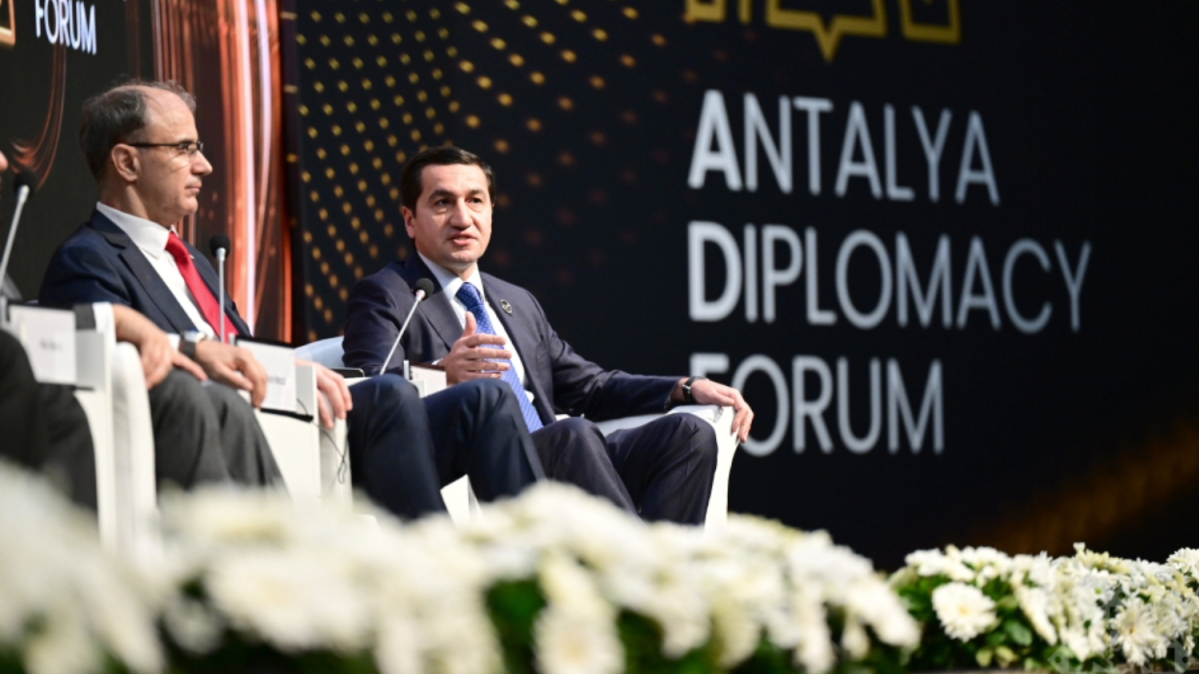
Speaking at the forum, Assistant to the President of Azerbaijan Hikmet Hajiyev outlined Azerbaijan’s view on regional responsibility.
Presidential Assistant Hikmet Hajiyev speaks at the Antalya Diplomacy Forum 2026, Antalya, Türkiye, 17 April 2026.
Azertag
“The fundamental principles and core pillars of regional ownership for Azerbaijan mean addressing regional challenges and problems ourselves, together with our like-minded partners in the region. First and foremost, we must establish our own order rather than waiting for others to come and fulfil missions in our region. This is one of the fundamental issues,” he said.
He added, “For us, regional ownership also consists of core principles. One of these is a genuine common responsibility for regional issues. To this, regional leadership must be added.”
Hajiyev also highlighted the importance of cooperation, particularly between Türkiye and Azerbaijan, calling it a key part of regional peace and stability.
“Türkiye-Azerbaijan cooperation rose to the level of an alliance with the 'Shusha Declaration' signed by our leaders,” he said, adding that this partnership has expanded into wider regional formats involving countries such as Georgia and Iran.
TRIPP project and U.S. cooperation
Hajiyev’s remarks came amid renewed focus on regional transport initiatives, including the TRIPP project involving Armenia and the United States.
Speaking at the panel Assistant to the President highlighted Azerbaijan’s role in global logistics and the growing importance of regional connectivity.
“Azerbaijan plays an important role not only in energy but also in global logistics supply chains as a reliable partner. Recent developments have once again demonstrated the importance of the Middle Corridor,” he said.
Hajiyev noted that the corridor has already developed into a “functioning, diversified and multimodal route,” adding that the Baku-Tbilisi-Kars railway remains a key component.
He also said the “Trump route will create a new strategic connection between Central Asia, the South Caucasus, and Europe.”
Armenia signals progress on TRIPP implementation
Meanwhile, Armenia’s Deputy Foreign Minister Vahan Kostanyan said in remarks to journalists that work on the U.S.-backed TRIPP project is progressing.
“We are continuing the implementation phase of the TRIPP project together with our American colleagues, or preparing to begin work on the ground,” he told journalists.
Speaking to AnewZ's Katie Wilson, Hajiyev also pointed to a broader shift in Azerbaijan’s priorities.
“Today, Azerbaijan's agenda is completely about peace, and it's also regional ownership and regional responsibility and regional integration and cooperation that Azerbaijan tries to deliver and to shape our region in a peaceful manner.”
He stressed that the country is not waiting for outside solutions, but instead using its own understanding of the region to shape outcomes.
Türkiye’s call for diplomacy
Turkish Vice President Cevdet Yılmaz echoed similar views, stressing the importance of dialogue over conflict.
“Türkiye prefers diplomacy over conflict, and stability over insecurity,” he said.
He added that wars benefit no one, while peace brings shared gains. Türkiye, he said, will continue to build ties across different regions and keep communication channels open.
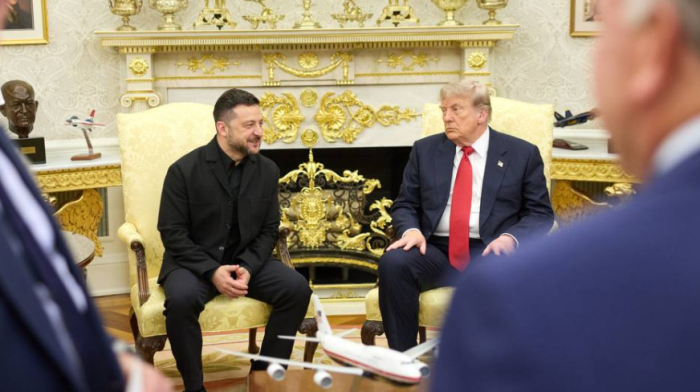
Ukrainian President Volodymyr Zelenskyy said he held a productive meeting with U.S. President Donald Trump at the White House on Tuesday, with talks f...
The diplomatic dispute over France's overseas territories is widening, with pro-independence leaders in the Caribbean and the Pacific rejecting claims...
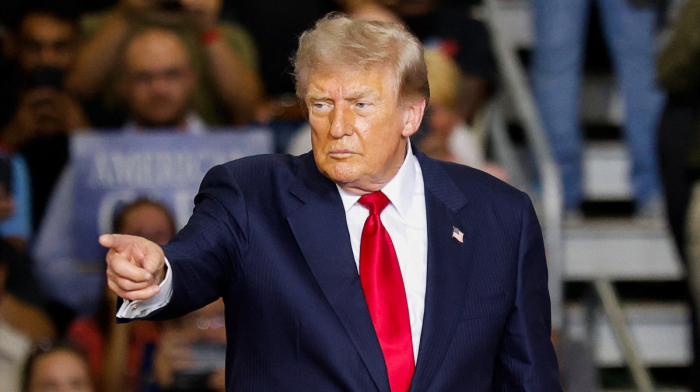
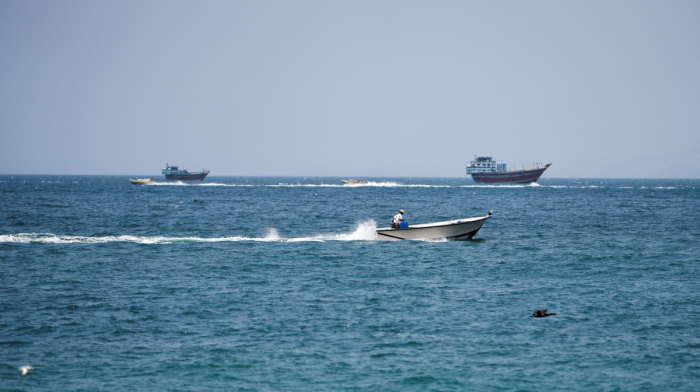
Yemen warned the Houthis were seeking to replicate Iran's Strait of Hormuz strategy in the Red Sea, as U.S. President Donald Trump said there was a "g...
U.S. President Donald Trump said on Monday that there is a good chance” of reaching a deal with Iran, but warned that Washington would resume military operation if negotiations fail.
Iran will halt its own attacks as long as the United States maintains its pause on strikes, but Tehran remains sceptical of U.S. intentions, a senior Iranian source told on Sunday.
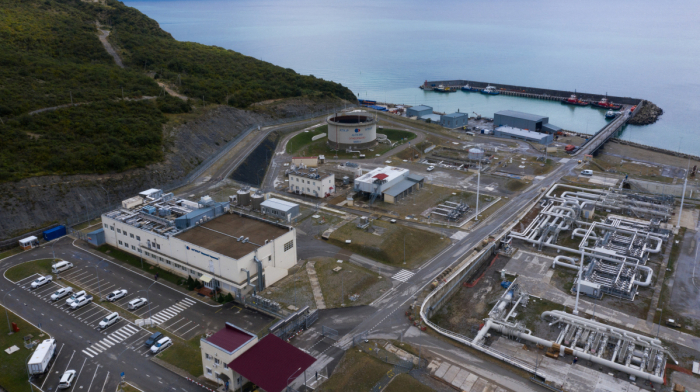
The Russia-Ukraine war is increasingly reshaping the Caspian region. From threats to energy infrastructure to renewed diplomatic efforts, countries across the region are adapting to the wider consequences of a conflict that continues to disrupt trade, transport and security.
Yemen warned the Houthis were seeking to replicate Iran's Strait of Hormuz strategy in the Red Sea, as U.S. President Donald Trump said there was a "good chance" of a deal with Tehran but warned strikes could resume if talks failed.
A New York school district has put plans to introduce a humanoid robot into classrooms on hold after fierce criticism from teachers, Indigenous community members and state education officials over the use of artificial intelligence in schools.
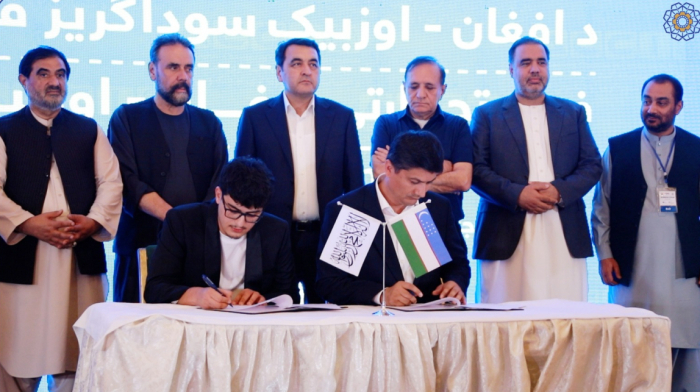
Afghanistan and Uzbekistan signed 22 trade agreements worth more than $200 million during a business forum in Kabul on Sunday, as officials from both countries pledged to deepen economic cooperation and expand trade and investment.
Moscow should stop linking Russia-Armenia relations to Azerbaijan, Baku's Foreign Ministry spokesperson Aykhan Hajizada has said, after Russia again raised the Collective Security Treaty Organisation's role during the former Garabagh conflict.
President Donald Trump has dismissed Israeli Prime Minister Benjamin Netanyahu's opposition to a potential sale of F-35 fighter jets to Türkiye, saying U.S. arms sales are decided by Washington alone. He also praised Türkiye as "a tremendous ally" and President Recep Tayyip Erdoğan as "a friend".
Pakistani businesses are warning that growing difficulties in obtaining United Arab Emirates (UAE) visas are disrupting trade, delaying investment and limiting access to a key export market, despite both Islamabad and Abu Dhabi saying there is no official visa ban.
Armenian Prime Minister Nikol Pashinyan has urged Russian President Vladimir Putin to resolve a dispute over trade restrictions imposed by Moscow, Yerevan's government said on Monday.
Download the AnewZ app
You can download the AnewZ application from Play Store and the App Store.










What is your opinion on this topic?
Leave the first comment