Protests in Iran over soaring prices and a plunging rial have spread to universities in Tehran, as students join shopkeepers and bazaar merchants in demanding government action. With inflation above 42% and the rial at record lows, unrest continues to grow across the country.
Demonstrations intensified on Tuesday as students marched alongside traders and market workers in Tehran’s main commercial areas. Videos verified by Reuters showed crowds chanting “Rest in peace Reza Shah,” a rare reference to the royal family ousted after the 1979 Islamic Revolution. Images aired by Iranian state TV showed large gatherings in central districts of Tehran.
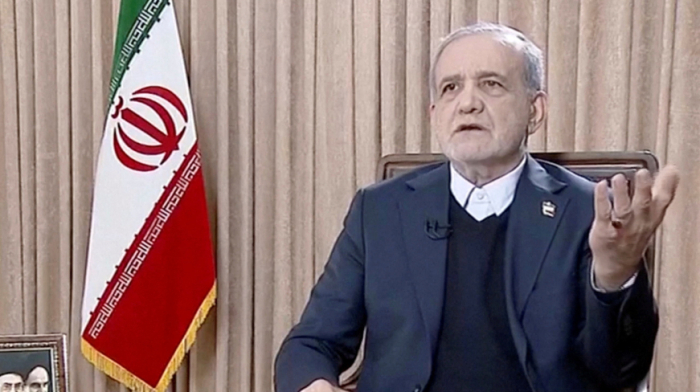
President Masoud Pezeshkian responded to the protests by calling on officials to listen to the “legitimate demands” of protesters. He instructed the interior minister to engage in dialogue with protest leaders.
Government spokesperson Fatemeh Mohajerani echoed this sentiment, announcing the formation of a dialogue mechanism. This includes talks with the protesters’ representatives to address their grievances, though the government has not provided details on how these talks will proceed.
The protests come at a time when Iran’s economy is under severe strain. The rial has dropped sharply against the dollar, hitting 1.4 million rials to the dollar on private exchange platforms, a dramatic slide from 817,500 at the start of the year. Inflation has remained persistently high, with official figures showing it above 36% for most of the current Iranian year, and annualized inflation soaring to 42.5% in December.
The economic turmoil has been exacerbated by the U.S. sanctions reimposed in 2018 after President Donald Trump pulled the U.S. out of the nuclear deal. Despite efforts by Iranian authorities to curb the economic slide, the population continues to face skyrocketing prices for essential goods. The rial’s depreciation has made it increasingly difficult for ordinary Iranians to afford daily necessities.
Pezeshkian, in a meeting with unions and market activists on Tuesday, promised that the government would do its best to resolve the issues and address the public's concerns. However, the government's ability to bring tangible change remains uncertain, as economic disparities and political mismanagement continue to fuel frustration across the country.
This unrest follows other major protests in recent years, including those sparked by the death of Mahsa Amini in the custody of the morality police in 2022. The government has often responded with force, resulting in widespread arrests and violence against demonstrators.
The latest round of protests has focused largely on economic grievances, as citizens struggle to cope with soaring costs of living. The protests are also being fueled by accusations of corruption and mismanagement among Iran’s ruling elite, who are seen as disconnected from the economic realities facing ordinary people.
As the situation continues to unfold, many Iranians fear that the government’s inability to address the root causes of discontent will lead to further unrest and potentially deeper political instability. Whether the government’s proposed dialogue can ease tensions or if protests will continue to escalate remains uncertain.








What is your opinion on this topic?
Leave the first comment