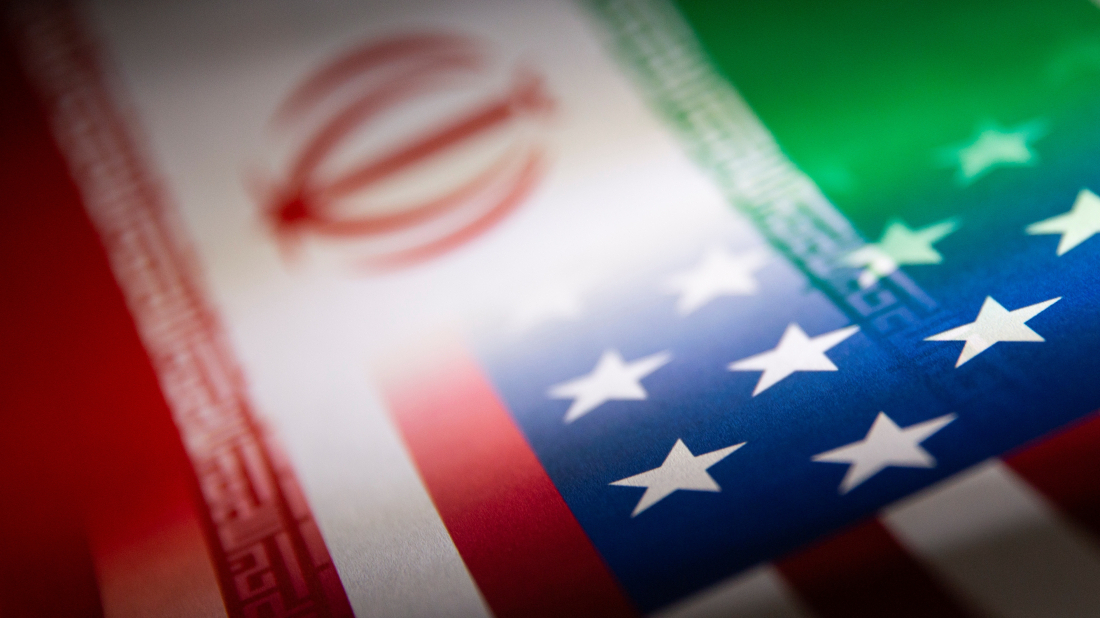
Iran has ruled out a proposal by Iraqi Prime Minister Mohammed Shia' al-Sudani to mediate between Iran and U.S. and host bilateral nuclear talks in Baghdad.
However, Tehran has announced that communication channels with Washington remain open via their Interests Sections.
"It is commendable that Iraq, as a neighbouring, Muslim, and friendly country, is concerned regarding peace and stability in the region,” Foreign Ministry Spokesman Esmaeil Baghaei said at a weekly press conference regarding al-Sudani’s comments aired in a TV interview.
“Nevertheless, the start of the process requires the parties to adhere to the etiquette of negotiations,” he was quoted saying by IRNA news agency.
“As long as this is not provided, talking about the formation of a negotiation process cannot be very realistic.”
He said, it was the US government which abandoned the Omani-mediated talks and bombed Iran’s nuclear facilities under U.N. safeguards in the middle of negotiations last June.
According to Baghaei, the direct talks offer by the U.S. Deputy Special Envoy Morgan Ortagus at a U.N. Security Council meeting on Iran’s nuclear sanctions resolution last week was “hypocritical”.
“This position was absolutely hypocritical in the sense that they are announcing extending their hand for diplomacy, and at the same time are setting preconditions that they are sure will not be acceptable to the other side.”
He said one cannot determine the outcome of a negotiation before entering the negotiating room and say, "You can only enter the negotiations if you give me everything I demand in advance."
Baghaei stressed that any negotiations in future will be restricted to the nuclear issue, not dealing with Iran’s ballistic missile program, rejecting the U.S. “zero-enrichment” precondition for resumption of talks.
“The subject of discussions with the US side so far has been solely the nuclear issue. We have also emphasized that we are not prepared to discuss any issue that has no connection to the nuclear issue, because there is basically no logic or justification for these demands.”
Tehran withdrew from Omani-mediated nuclear negotiations in the wake of the Israeli and U.S. attacks and demanded guarantees that it will not be invaded again during the talks.
The Iranian diplomat confirmed that communication channels with U.S. remain open through their Interests Sections in Washington and Tehran.
“The communication channel is in place. There is the official channel through the U.S. Interests Section in Swiss Embassy in Tehran and the Iranian Interests Section (in Pakistani Embassy) in Washington. This route still exists.”
The spokesman also stated that the channel between Iranian Foreign Minister Abbas Araghchi and the U.S. Special Envoy Steve Witkoff is intact but not active.
“There is no need to establish any contacts at the moment,” the Iranian diplomat added.










What is your opinion on this topic?
Leave the first comment