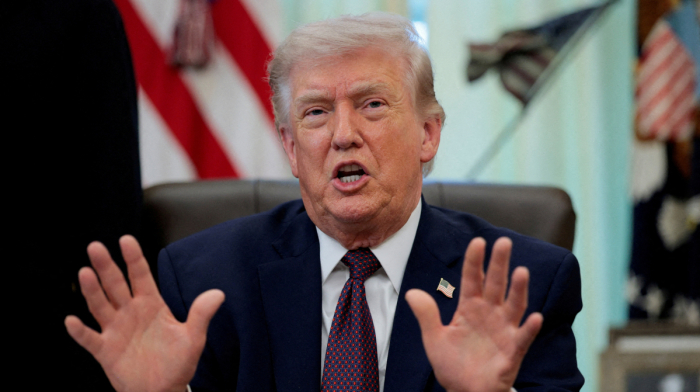
live U.S. President Trump asks NATO allies for urgent support in Hormuz, diplomats say - Thursday 9 April
Iran suggested it would be "unreasonable" to proceed with talks to forge a permanent peace d...
Iran’s deputy foreign minister for Legal affairs Kazem Gharibabadi has said that plans are underway for the repatriation of Iranian prisoners and enhancing border security and controls.
He said that these matters were discussed during his visit to Afghanistan on Sunday, where renewing border demarcation signs and implementing Afghanistan’s obligation to provide Iran’s water share.
Iran and Afghanistan have longstanding tensions over Helmand River water rights, the management of shared borders, and the issue of Afghan nationals illegally residing in Iran.
“It was decided to take the Iranian nationals imprisoned in Afghanistan into the custody of our embassy in Kabul and facilitate their immediate transfer to Iran,” Gharibabadi said in a post on X.
He expressed satisfaction over outcome of the meetings with the Afghan officials including Minister of Borders and Tribes, Deputy Minister of Water and Energy (Water Commissioner), and the First Deputy Minister of Foreign Affairs.
During the visit, he added, bilateral issues on border, water, legal and judicial cooperation were reviewed, and “Both sides stressed the need to strengthen border controls to prevent drug smuggling, human trafficking, and curb terrorist elements”.
“It was also agreed to resume the project to renovate border demarcation signs which has been suspended for seven years,” he said.
The Iranian official also said that a meeting of the water commissioners of the two countries would be held in Iran in the near future within the framework of implementing Afghanistan’s commitments to provide Iran’s water share.
Gharibabadi, who arrived in Kabul on Sunday, visited Herat Province on the second leg of his visit on Wednesday and met its governor Noor Mohammad Islamjar.
“Negotiations between Iran and Afghanistan on the water rights of the Helmand River, protecting the Hamoun wetlands, and determining the legal regime of Harirud River are ongoing as special issues,” he told reporters after returning to Iran.
Iran has been demanding the complete implementation of the 1972 Helmand Treaty and securing it water rights under the treaty.
China and Russia vetoed a United Nations Security Council resolution on Tuesday aimed at coordinating defensive efforts to protect commercial shipping in the Strait of Hormuz, leaving no agreed international framework for securing the vital route.
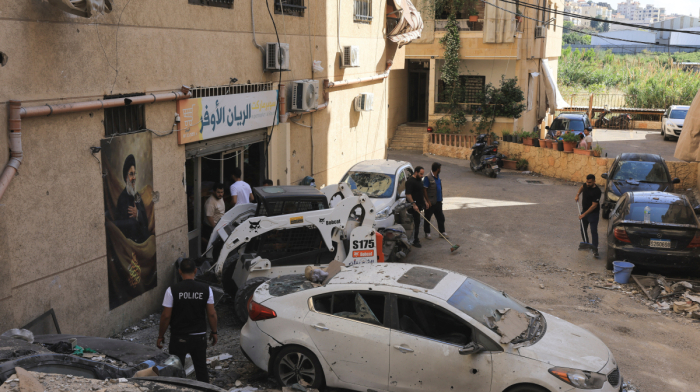
Lebanon’s Hezbollah said it had stopped firing on northern Israel and Israeli forces on Wednesday as part of a two-week ceasefire in the Middle East brokered between the United States and Iran. However, a Hezbollah lawmaker warned that the pause could collapse if Tel Aviv does not adhere to it.
Pakistan’s Prime Minister Shehbaz Sharif said Iran and the United States, along with their allies, have agreed to an immediate two-week ceasefire covering all areas, but Israel says the deal excludes Lebanon. Tel Aviv says the U.S. is committed to achieving shared goals in upcoming negotiations.
Iran suggested it would be "unreasonable" to proceed with talks to forge a permanent peace deal with the U.S. after Israel pounded Lebanon with its heaviest strikes yet on Wednesday, killing hundreds of people. The warning came from Iran's lead negotiator, parliament speaker Mohammed Bager Qalibaf.
Construction has begun on a major new solar power project in Xizang, as China continues to expand its renewable energy capacity and push towards a greener future.
Millions of Indians queued to vote in local elections across two states on Thursday, kicking off four key contests this month.
Afghanistan and Pakistan have agreed to continue dialogue and avoid steps that could worsen tensions after China-hosted talks in Urumqi, with Kabul and Beijing saying the meetings focused on easing differences and improving relations.
Lithuania’s Prime Minister’s visit to Azerbaijan on 9 April signals a deepening strategic dialogue between Baku and European partners. Analysts say economic interests and geopolitical shifts are driving closer engagement.
Italian Prime Minister Giorgia Meloni said on Thursday (9 April) that restoring freedom of navigation in the Strait of Hormuz is a vital interest for both Italy and the European Union, pledging coordination with international partners to ensure safe passage.
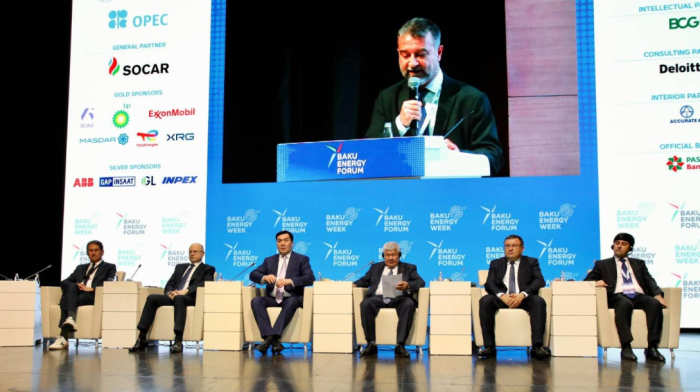
Kazakhstan says oil exports via the Caspian Pipeline Consortium (CPC) remain stable after drone strikes on facilities near Novorossiysk, despite damage to key infrastructure and rising risks to a major export route.
You can download the AnewZ application from Play Store and the App Store.
What is your opinion on this topic?
Leave the first comment