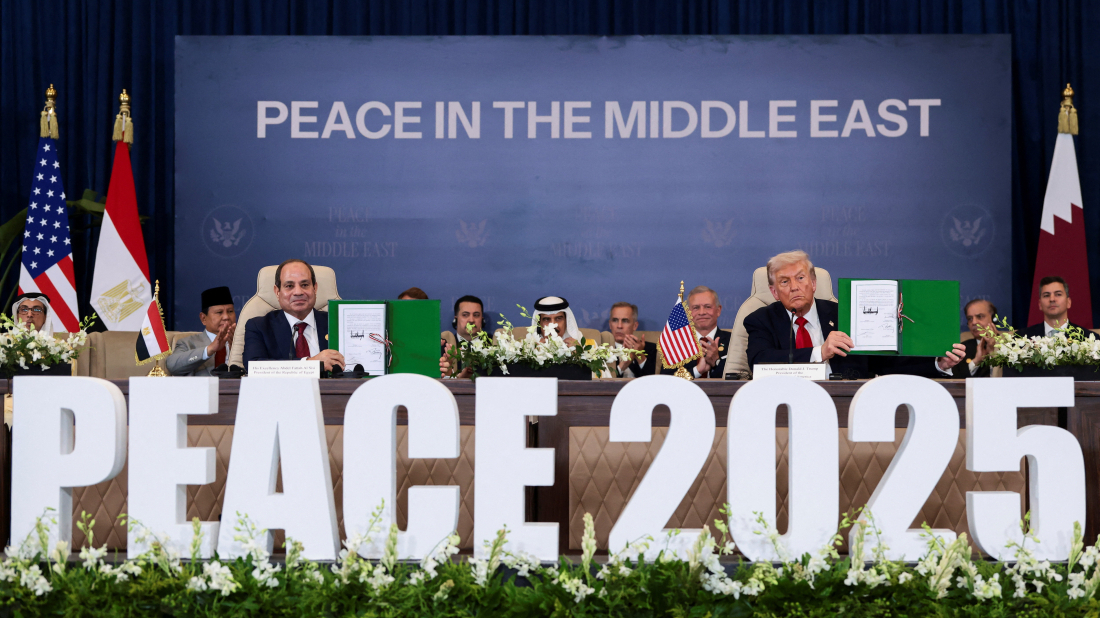
The Gaza ceasefire document has officially been signed by U.S. President Donald Trump alongside Egyptian President Abdel Fattah al-Sisi at the peace summit in Sharm el-Sheikh.
Speaking after the signing, President Trump thanked the leaders in the room, hailing them as some of the best people in the world.
He also said that "everybody is happy" as other leaders also placed their signature on the document as it is circulated.
"They always talked about World War III would start in the Middle East, that's not gonna happen" he said.
Egyptian President Abdel Fattah al-Sisi as he addressed the delegates welcomed them to the city of peace adding that he wants to work to bring all the remaining bodies of the Israeli hostages back to Israel, and also make sure the ceasefire remains in place.
President Trump says he would like to have President Sisi on his "board of peace" - an integral part of the Trump's 20 point plan to resolve the conflict in the region.
The board of peace which will be headed and chaired by President Donald J. Trump will set the framework and handle funding for the rebuilding of Gaza.
President Sisi responded in the affirmative to Trump's request, saying he will be there.
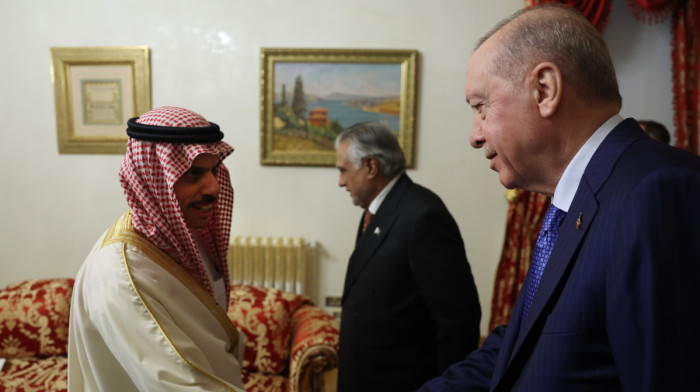
Other heads of states present at the summit include Ilham Aliyev of Azerbaijan, Recep Tayyip Erdoğan of Türkiye, Mark Carney of Canada, British prime minister Keir Starmer, Emmanuel Macron of France, Nikol Pashinyan of Armenia, Giorgia Meloni of Italy, King Abdullah II of Jordan, Hungary’s prime minister Viktor Orbán, Iraq’s prime minister Mohammed Shia al-Sudani, German Chancellor Friedrich Merz and others.
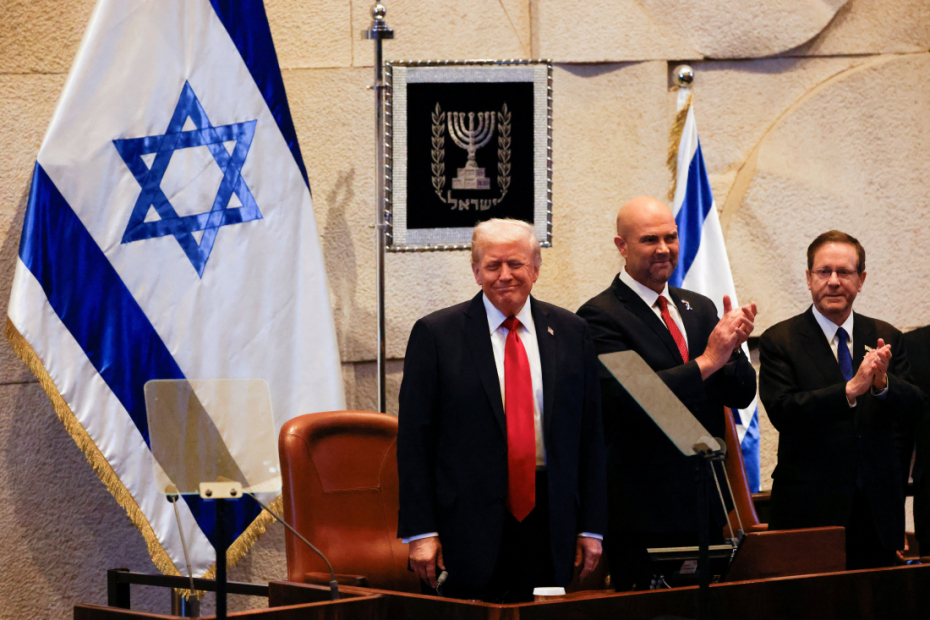
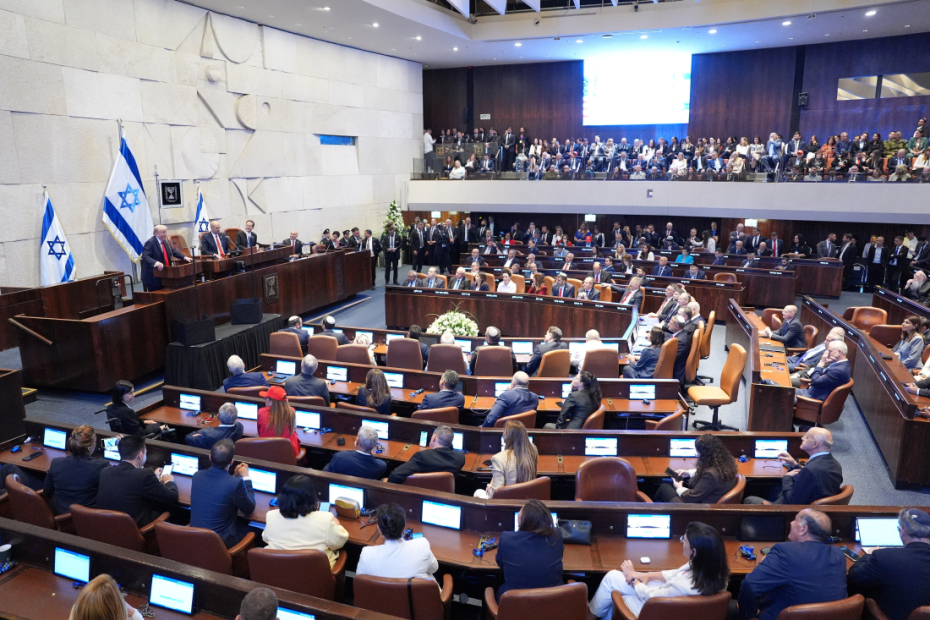
President Trump had earlier delivered a wide-ranging and personal speech to the Israeli parliament on 13 October, as the final 20 living Israeli hostages were released by Hamas under a U.S.-brokered ceasefire agreement.
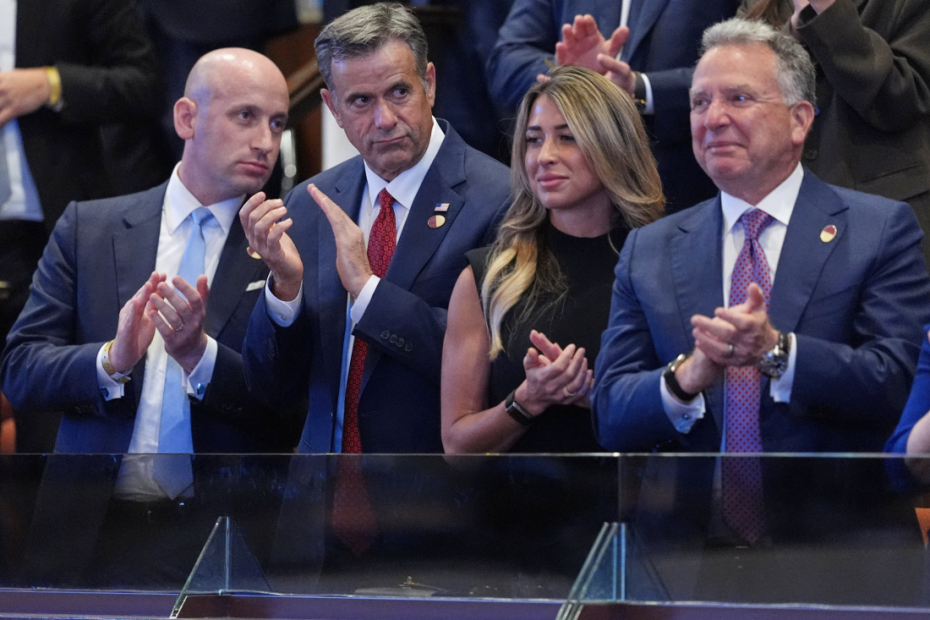
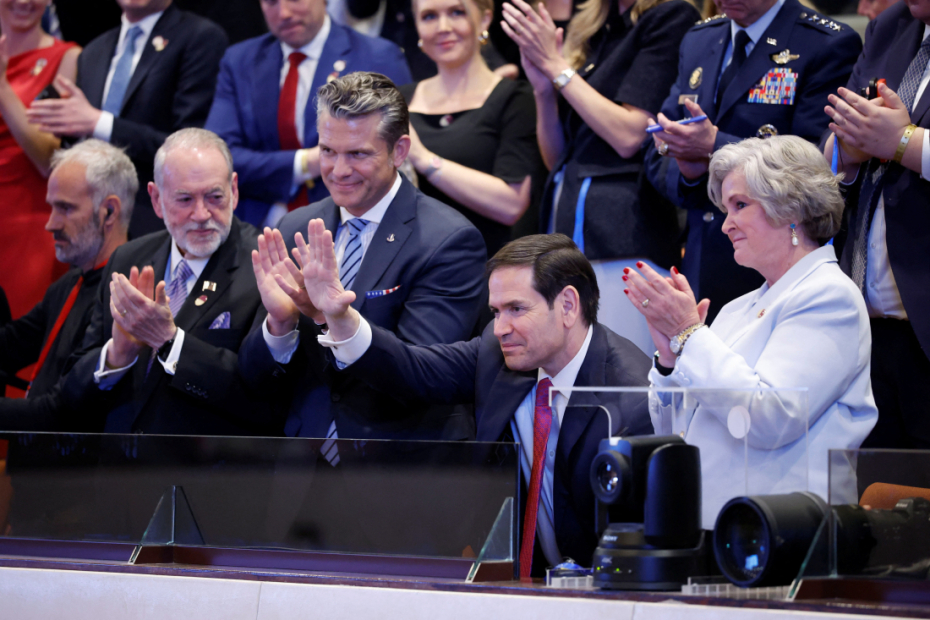
Speaking to a packed chamber of the Knesset in Jerusalem, Trump was welcomed with chants of “Trump! Trump! Trump!” following an embrace with Israeli Prime Minister Benjamin Netanyahu.
The address came hours after the handover of hostages to the Red Cross in Gaza and just before Trump was due to fly to Egypt for a Middle East peace summit.
“This is a historic dawn,” Trump said. “Twenty courageous hostages are returning to the glorious embrace of their families. And it is glorious.”
In a lighter moment, the president told Netanyahu: “Now you can be a little bit nicer, Bibi, because you’re not at war.” He added, “He’s not the easiest guy to deal with, but that’s what makes him great.”
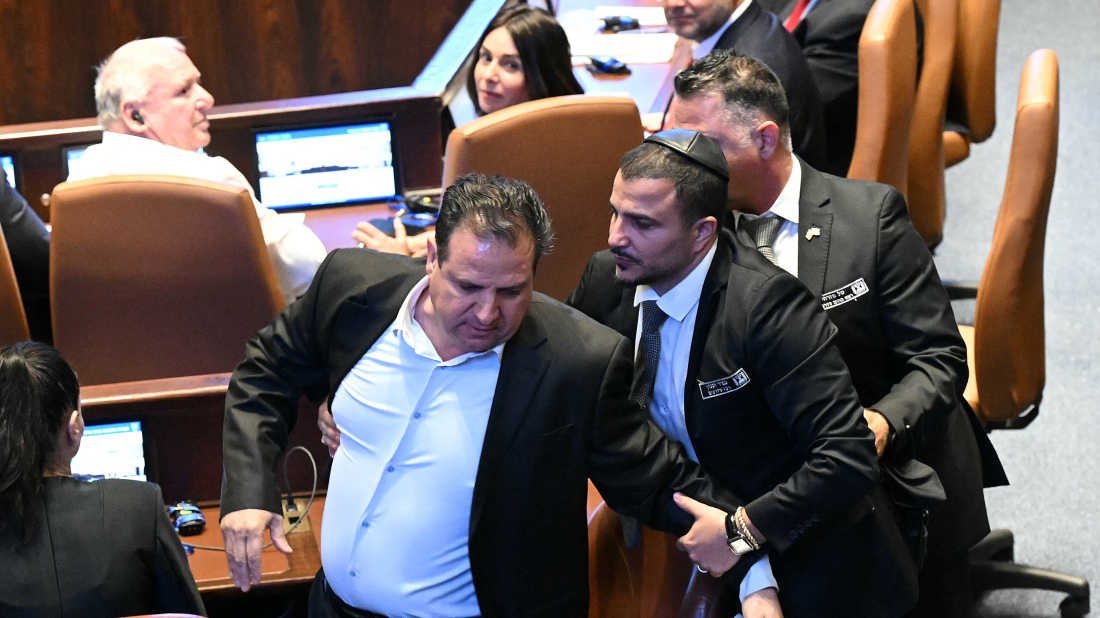
Trump's remarks were briefly interrupted when two members of the Knesset, Ofer Kassif and Ayman Odeh of the Hadash–Ta’al party, staged a silent protest holding a “Genocide” sign. They were quickly removed, prompting applause from other lawmakers. Trump quipped, “That was very efficient.”
The president also praised his son-in-law Jared Kushner for helping to broker the truce, saying: “He loves Israel so much, my daughter converted,” referring to Ivanka Trump, who was present at the speech.
The address came amid scenes of celebration across Israel and the West Bank. In Tel Aviv’s Hostages Square, where tens of thousands gathered to watch the releases live, families wept and cheered as emotional footage of reunions played on large screens. In the West Bank, Palestinians welcomed home prisoners freed in the exchange, many of whom had spent years in Israeli custody.
Kamala Abu Shanab, a Fatah member released after 18 years, said: “It was an indescribable journey of suffering — hunger, unfair treatment, torture and curses — more than anything you could imagine.”
Trump used his platform to call on Palestinians to “focus on building their people up,” while reaffirming U.S. support for Israel and declaring the ceasefire a starting point for regional peace. “As far as I’m concerned, the war is over,” he said.












What is your opinion on this topic?
Leave the first comment