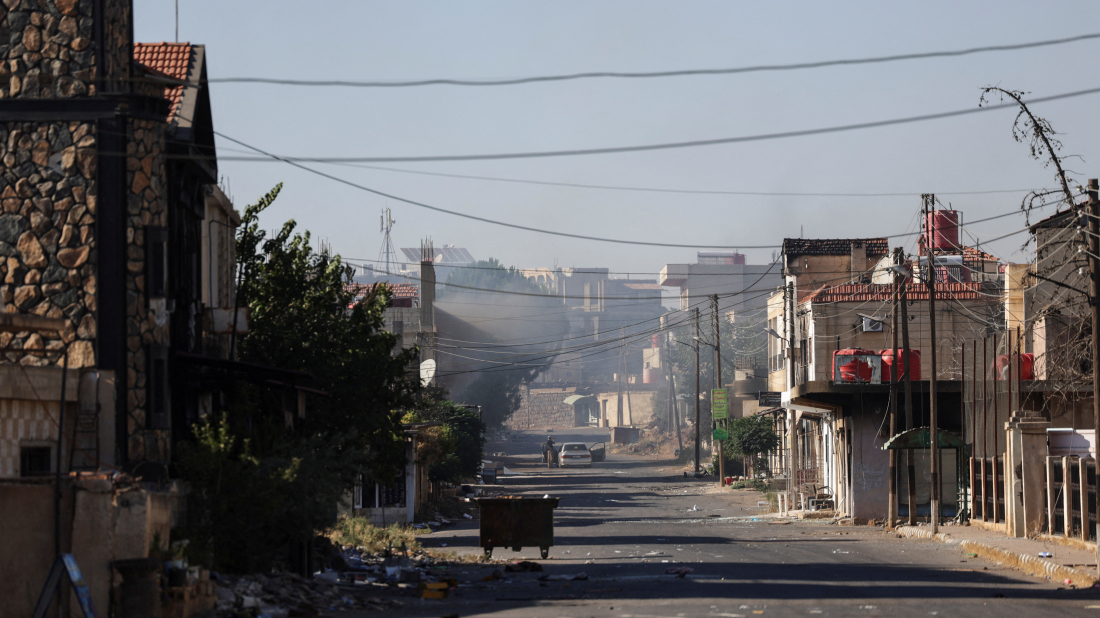
The city of Sweida in southern Syria saw a return to relative calm following days of clashes, as Bedouin fighters withdrew and international mediation helped initiate a ceasefire process.
Sweida, a predominantly Druze city in southern Syria, experienced a reduction in violence on Sunday after Bedouin fighters reportedly left the area and local security forces moved in to enforce a ceasefire. The recent hostilities, which began with clashes between Druze and Bedouin factions, have resulted in hundreds of casualties and drawn regional and international attention.
Interior Minister Anas Khattab said that Syrian internal security had restored a degree of order and were working towards a full ceasefire and prisoner exchange. Reuters footage showed government forces setting up checkpoints and controlling movement near Sweida.
A U.S. envoy, Tom Barrack, stated that a cessation of hostilities was in effect and described ongoing efforts to organise a full exchange of detainees.
Despite the calm, local residents have reported severe shortages in water, electricity, and medical services. Several residents speaking to Reuters described ongoing humanitarian needs, with hospitals reportedly out of service and damaged infrastructure in parts of the city.
Aid convoys have faced obstacles. The Syrian government reported that one of its convoys was turned back by local factions, though assistance provided by the Syrian Arab Red Crescent was allowed entry.
The recent violence has raised concerns about Syria’s internal stability under interim President Ahmed al-Sharaa. He has pledged to investigate reported abuses and ensure accountability, particularly concerning allegations that Syrian troops were involved in close-range shootings of civilians during the recent unrest.
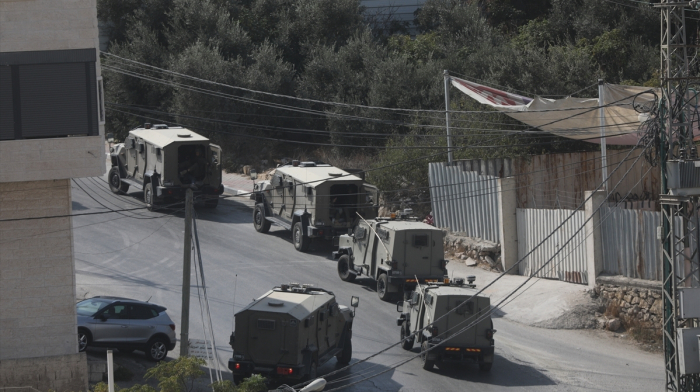
The conflict in Sweida comes amid broader tensions. The Israeli military carried out airstrikes last week, targeting Syrian government positions in support of the Druze community. Israel stated it aims to maintain a demilitarised buffer near its borders, while the U.S. clarified that it does not endorse the Israeli strikes.
Meanwhile, the Syrian presidency announced on Sunday that it had received an inquiry report into unrelated violence in the coastal region earlier this year, where allegations were made against government forces in connection to the deaths of Alawite civilians. Authorities pledged to review the findings and pursue accountability measures.
Monitoring groups have released varying estimates of casualties in the Sweida region. The Syrian Network for Human Rights reported at least 321 deaths since 13 July, including civilians and fighters. The Syrian Observatory for Human Rights has placed the toll significantly higher at 940, though Reuters has not independently verified these numbers.
The situation in Sweida remains fluid as efforts continue to stabilise the region and address the humanitarian aftermath of the recent conflict.











What is your opinion on this topic?
Leave the first comment