Australia and U.S. announce $580 million Pacific funding package amidst China rivalry
Australia and the United States have announced a combined $580 million funding package for Pacific Island natio...
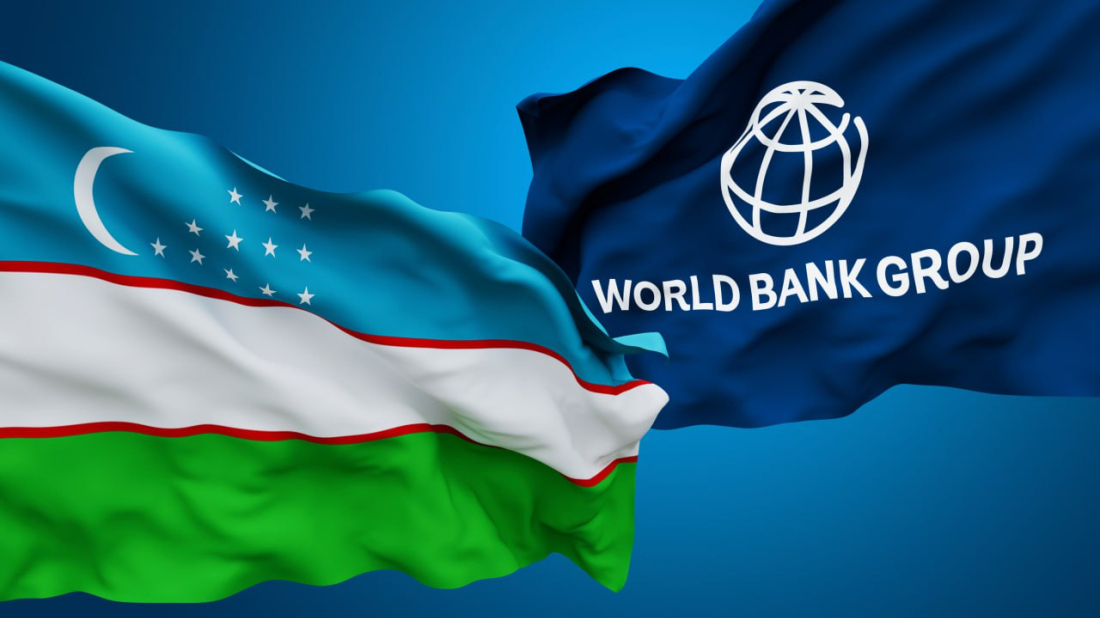
The World Bank has approved $35 million in concessional credit to help Uzbekistan improve access to geospatial data and support urban development.
The World Bank’s Board of Executive Directors has approved a $35 million concessional credit to support Uzbekistan in strengthening its National Spatial Data Infrastructure (NSDI), which is crucial for managing the country’s rapid urbanization. The government will contribute an additional $5.7 million to the project.
Over half of Uzbekistan’s population now lives in urban areas, increasing pressure on land, infrastructure, and public services. However, the lack of reliable, detailed geospatial data limits effective planning, deters private investment, and weakens public service delivery.
To address these gaps, the project will support NSDI development through improved data collection, management, and sharing systems. It includes the creation of a national geoportal, three data centers, a national address registry, and the modernization of the land information system (UzKAD).
Regional upgrades will include 80 new GPS-based CORS stations, modern mapping tools, and a 3D city model pilot in Samarkand to help manage growth and climate risks.
“This project will improve data sharing, cadastral mapping, and infrastructure planning, helping to boost investor confidence and support sustainable development,” said Tatiana Proskuryakova, World Bank Director for Central Asia.
The initiative, to be implemented from 2025 to 2030 by the Cadastre Agency under the Ministry of Economy and Finance, aims to enhance transparency, facilitate private sector growth, and support better urban planning across Uzbekistan.

Leaders of the Shanghai Cooperation Organisation (SCO) have gathered in Bishkek for a summit focused on trade, investment and transport as the group marks 25 years since its creation.
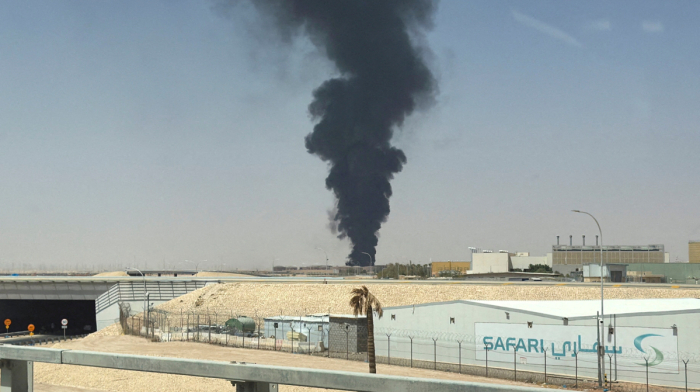
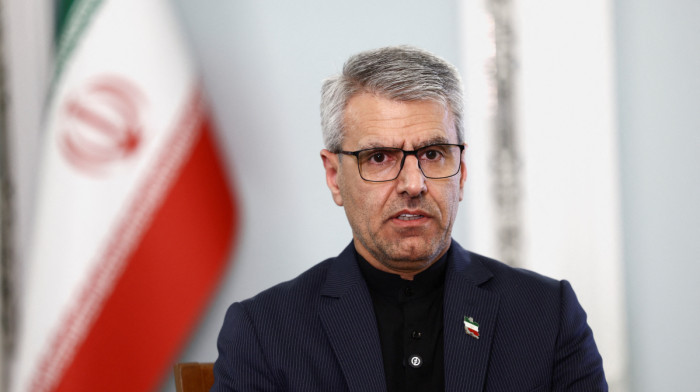
U.S. forces struck two Iranian rocket launchers on Larak Island on Sunday, with Tehran responding by launching ballistic missiles at two U.S. bases in Jordan in the first direct U.S.-Iran military escalation in weeks.
The U.S. has launched a fresh wave of strikes on Iran, targeting Islamic Revolutionary Guard Corps (IRGC) sites as Tehran retaliated against U.S. positions across the region, while Iranian officials said at least five people were killed and dozens wounded at a wedding near Sirik.
Apple is entering a new era as Tim Cook steps down as chief executive after 15 years at the helm, handing the technology giant's leadership to longtime executive John Ternus.
Start your day informed with the AnewZ Morning Brief. Here are the top stories for 1st September, covering the latest developments.
The Council of the European Union has agreed to suspend import duties on a range of Armenian products for two years to support the country’s economy, after Russia imposed trade restrictions.
There's a fresh buzz around the Anaklia Deep-Water Port site this week, with the arrival of a second dredging vessel called the Al-Idrisi, which has now entered the waters off the future port to join its sister vessel, the Tristao Da Cunha.
A search-and-rescue operation is under way in the Sea of Marmara after two Turkish-flagged commercial vessels collided off Istanbul early on Wednesday, after one ship sank with 10 crew members aboard.
Russian President Vladimir Putin pressed Armenian Prime Minister Nikol Pashinyan to clarify whether Yerevan intends to join the European Union (EU) during a meeting on the sidelines of the SCO summit in Bishkek on Tuesday.
Pakistan has taken over the chairmanship of the Shanghai Cooperation Organisation, with Prime Minister Shehbaz Sharif putting connectivity, artificial intelligence and regional security at the centre of Islamabad’s agenda for the bloc.
You can download the AnewZ application from Play Store and the App Store.
What is your opinion on this topic?
Leave the first comment