live U.S. pressure on Iran intensifies as sanctions and blockade take hold
U.S. efforts to squeeze Iran’s economy through an oil blockade and sanctions are becoming increasingly difficult for Tehran to withstand, acc...
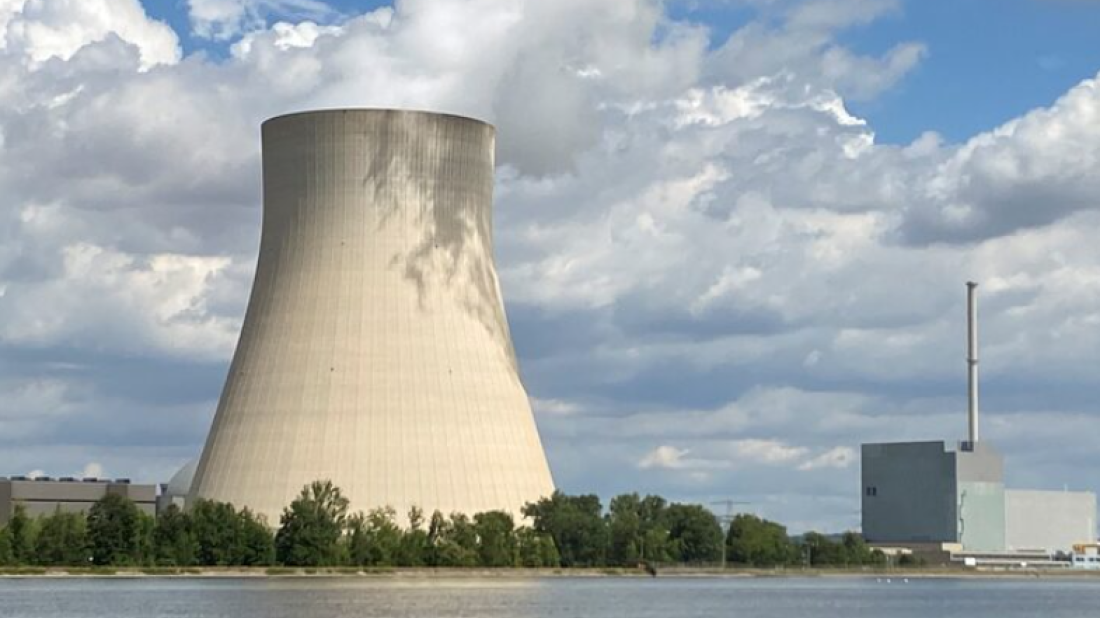
Russia’s Rosatom has launched the production of key reactor equipment for Uzbekistan’s first small modular nuclear power plant, marking a major milestone in the bilateral energy project, Rosatom announced.
Rosatom has officially commenced manufacturing reactor components for Uzbekistan’s first small modular nuclear power plant (SMR), as part of a major energy cooperation initiative between the two countries. At the AEM-Spetsstal metallurgical plant - part of Rosatom’s Engineering Division - a 205-ton ingot of special alloy steel has been cast. This marks the beginning of production for the RITM-200N reactor pressure vessel flange, a central component of the SMR unit.
The casting of this ingot represents the practical start of reactor development, Rosatom emphasized during its presentation at the Power Uzbekistan 2025 international exhibition. The event was attended by top energy experts and representatives from key ministries and agencies of Uzbekistan.
Once the initial metallurgical processes are completed at AEM-Spetsstal, the ingot will be transferred to other facilities within Rosatom’s Engineering Division for assembly into the full reactor vessel.
“This step toward practical implementation of the SMR project in Uzbekistan highlights the strong international interest in small nuclear technologies and the trust our partners place in Rosatom’s solutions,” said Igor Kotov, Head of Rosatom’s Engineering Division. “Our companies have the experience and capabilities needed to produce RITM-series reactor units, which are already successfully operating in Russia’s icebreaker fleet. These competencies will now support the production of all six RITM-200N units for Uzbekistan’s SMR.”

Russian President Vladimir Putin has said that he thinks there is a chance of a peace being reached with Ukraine. He told the Eastern Economic Forum in Vladivostok, Russia that he believed there was "a chance of finding a solution," to the conflict.
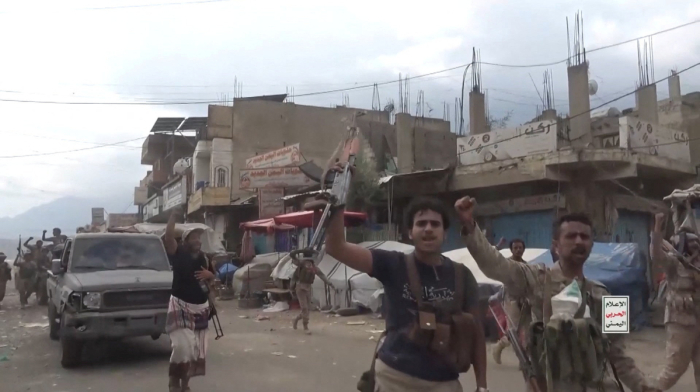
The U.S. has launched a fresh wave of strikes on Iran, targeting Islamic Revolutionary Guard Corps (IRGC) sites as Tehran retaliated against U.S. positions across the region, while Iranian officials said at least five people were killed and dozens wounded at a wedding near Sirik.
The Iranian Health Ministry said at least 18 people were killed and 142 others injured in U.S. airstrikes carried out between 30 August and 2 September.
The European Union's foreign policy chief Kaia Kallas says the bloc will tighten enforcement of sanctions against Russia over its war in Ukraine. EU foreign ministers were meeting in Ireland following renewed Russian strikes on cities across Ukraine.
Start your day informed with the AnewZ Morning Brief. Here are the top stories for the 3rd of September, covering the latest developments.
Black Sea Petroleum (BSP), the company behind Georgia's Kulevi plant on the Black Sea coast, has announced that as of 23 August, the refinery is processing exclusively non-Russian oil.
Two people have been rescued alive from a tunnel in Nepal, nine days after catastrophic floods devastated the country, as rescuers continue searching for survivors.
Georgia's economy grew by eight per cent in July, and if you're wondering what's behind the surge, the answer is the same one that's been doing the heavy lifting all year: oil.
Russia’s Rosatom and Kazakhstan Nuclear Power Plants have signed a contract to build two units at the Balkhash nuclear power plant, with a combined capacity of 2.4 gigawatts.
The Higher Presidential Committee for Church Affairs in Palestine has called on churches around the world to intervene after teachers and school staff from the West Bank were prevented from reaching Christian schools in Jerusalem.
You can download the AnewZ application from Play Store and the App Store.
What is your opinion on this topic?
Leave the first comment