live Rubio tells allies U.S. will hold off new Iran strikes
Secretary of State Marco Rubio told allied foreign ministers Washington will focus on sanctions and other pressure on Iran “for the time bein...
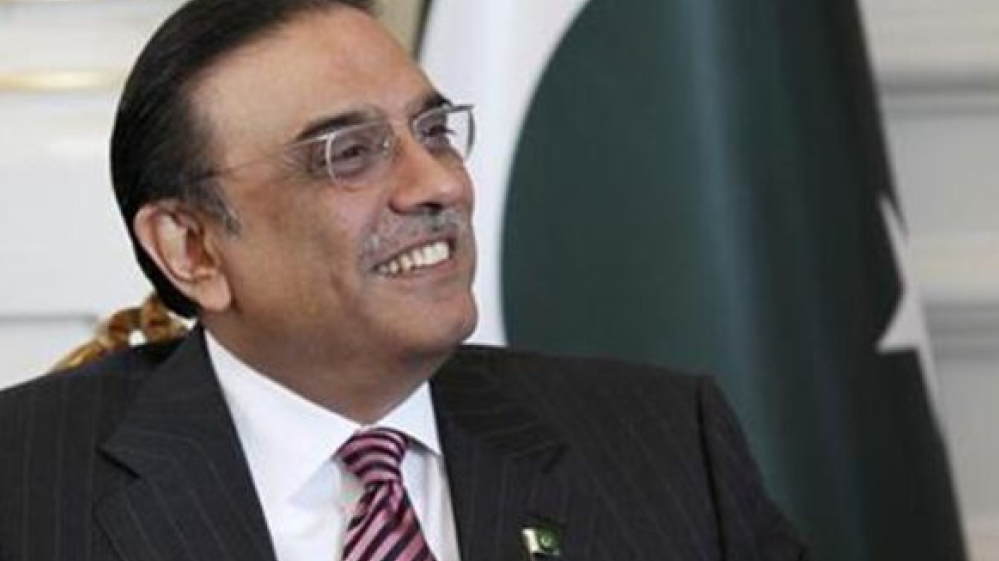
Pakistani President Asif Ali Zardari has tested positive for COVID-19, according to his doctor, Asim Hussain. The 70-year-old leader has been advised to remain in isolation as a precautionary measure, while his condition is reported to be improving.
A statement from the president's office confirmed the diagnosis and emphasized that Zardari is receiving appropriate medical care. This marks the second time the president has contracted the virus; he previously tested positive in 2022, when he experienced only mild symptoms.
Serving his second term, following his earlier tenure from 2008 to 2013, Zardari's diagnosis comes amid ongoing global efforts to manage COVID-19 and protect vulnerable populations. Further updates on his health and any implications for his presidential duties are expected in the coming days.

Oil prices fell after the U.S. expanded economic sanctions on Iran, as Tehran vowed to retaliate and warned it had tools to respond, raising concerns over potential disruption to regional oil supplies.
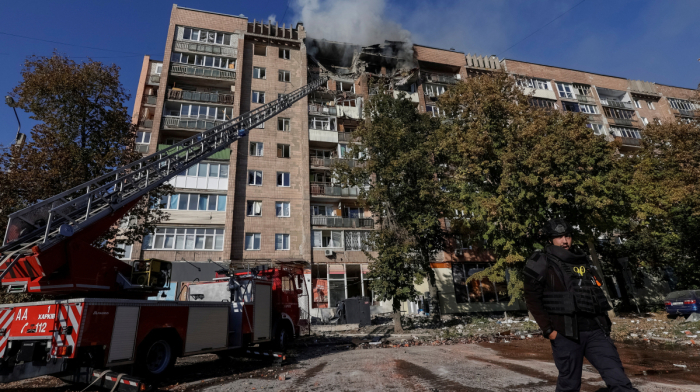
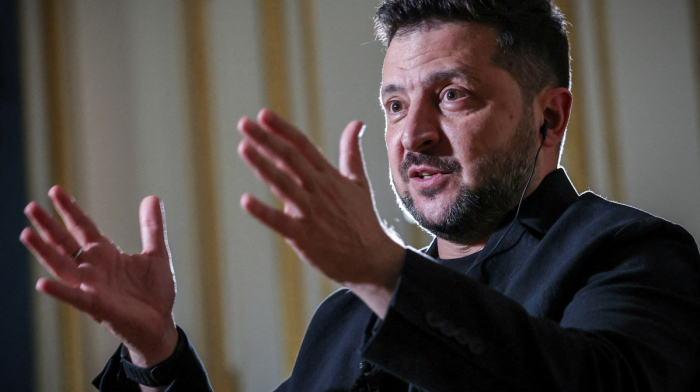
Kyiv has recently received a small number of U.S.-made Patriot interceptors capable of downing Russian ballistic missiles, Ukrainian President Volodymyr Zelenskyy has said. It comes as Britain and France pledged stronger military support for Ukraine.
Only four commodity vessels crossed the Strait of Hormuz on Sunday, following 13 transits a day earlier, as disruptions continue to restrict traffic through the key energy chokepoint.
Secretary of State Marco Rubio told allied foreign ministers Washington will focus on sanctions and other pressure on Iran “for the time being”, Axios reports. Meanwhile, Iran and Oman have resumed talks on a temporary shipping route through the Strait of Hormuz.
Russia and Ukraine have exchanged 10 prisoners of war each in Belarus, Moscow's Human Rights Commissioner, Yana Lantratova, has said.
The inaugural Silk Road Finance & Technology Forum brought together policymakers, investors and technology companies as Central Asia looks to build a more connected financial system and compete for a bigger share of global fintech investment.
The Silk Road Finance & Technology Forum will bring more than 6,000 policymakers, investors and technology leaders from 74 countries to Tashkent, as Central Asia seeks a bigger role in the global fintech landscape.
Kazakhstan is considering the Baku-Supsa pipeline as an alternative oil export route after Caspian Pipeline Consortium disruptions cost the country an estimated 3.5 million tonnes of oil, Energy Minister Yerlan Akkenzhenov said.
Kuwait’s Al-Sayer Group plans to export fresh and dried Afghan fruit to Kuwait and other markets while exploring broader trade and investment opportunities in Afghanistan, according to Afghan government statements following talks in Kabul on Tuesday.
Central Asia’s fintech ambitions are in the spotlight as a major forum in Tashkent draws to a close, shifting attention from the region’s potential to the investment, infrastructure and global reach needed to turn that vision into growth.
You can download the AnewZ application from Play Store and the App Store.
What is your opinion on this topic?
Leave the first comment