U.S.-Israeli strikes on Iran: What we know so far
The United States and Israel have carried out large-scale strikes on Iranian leadership and military targets, with Iranian state media confirming t...
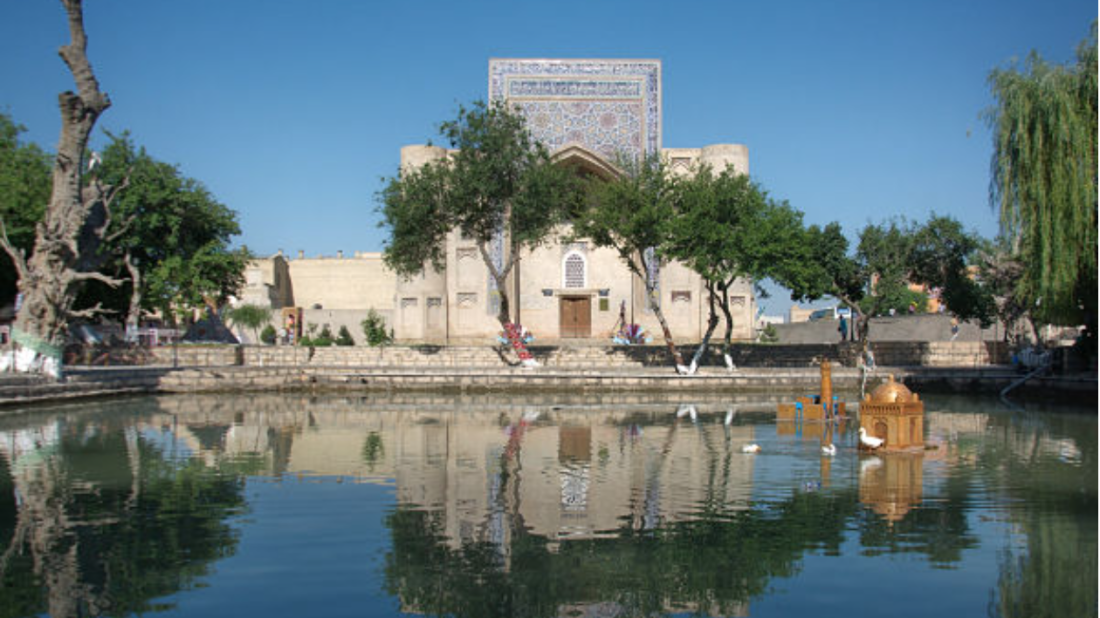
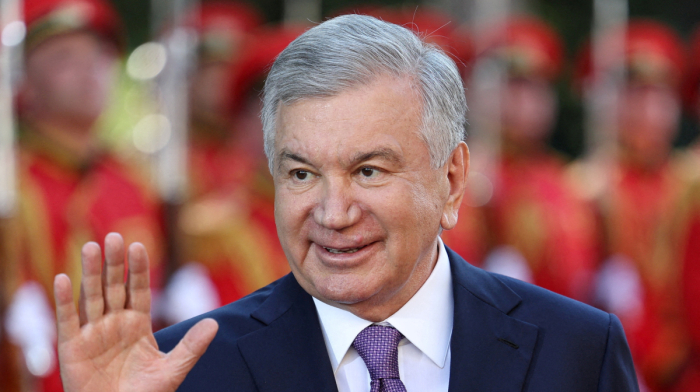
The Asian Development Bank approved a $125 million loan to support Uzbekistan in modernizing water management, improving water security, and increasing access to safe and reliable water in the country.
The Climate-Smart Water Management Improvement Project will improve asset management and sustainability of service delivery, while enhancing energy-use efficiency, contributing to climate change mitigation efforts, says the bank's press-release.
“Uzbekistan’s water resources are under acute threat from climate change and inefficient usage,” said ADB Country Director for Uzbekistan Kanokpan Lao-Araya. “ADB’s project introduces smart water management systems to improve water usage, reduce energy consumption, and increase operational efficiency to lower Uzbekistan’s carbon footprint.”
The project will support the national water utility company "Uzsuvtaminot" in finalizing the installation of a nationwide bulk flow metering and telemetry system on the main water resource’s locations. The project will also carry out an asset inventory and prepare onsite geographic mapping for all existing water supply and wastewater infrastructure, including about 4 million customer connections.
The project will promote transformative digital solutions and technologies to decrease operational expenditure, increase workforce efficiency, and enhance customer engagement and satisfaction.
An integrated package of climate-smart, IT-based utility management systems will be launched, including relevant training for the national water utility staff.

Follow the latest developments and global reaction after the U.S. and Israel launched “major combat operations” in Iran, prompting retaliation from Tehran.
Tensions between the U.S. and Iran are escalating, with Washington ordering a significant military build-up in the region and multiple countries evacuating diplomatic staff amid fears of further instability.
Governments across the region responded swiftly to Israel’s strikes on Iran, closing airspace, issuing travel advisories and activating contingency plans amid fears of escalation.
A senior Iranian official has warned Israel to “prepare for what is coming”, insisting that Tehran’s response to the latest escalation in the Middle East will be made openly and without limits.
Ayatollah Alireza Arafi has moved into a pivotal constitutional role following the death of Supreme Leader Ayatollah Ali Khamenei, becoming the clerical member of Iran’s temporary leadership council under Article 111 of the Constitution of the Islamic Republic of Iran.
The United States and Israel have carried out large-scale strikes on Iranian leadership and military targets, with Iranian state media confirming that Supreme Leader Ayatollah Ali Khamenei was killed.
Follow the latest developments and global reaction after the U.S. and Israel launched “major combat operations” in Iran, prompting retaliation from Tehran.
Ayatollah Alireza Arafi has moved into a pivotal constitutional role following the death of Supreme Leader Ayatollah Ali Khamenei, becoming the clerical member of Iran’s temporary leadership council under Article 111 of the Constitution of the Islamic Republic of Iran.
A number of senior Iranian figures have reportedly been killed in Saturday’s joint U.S.–Israeli airstrikes on Iran, according to Iranian state media, Israeli military statements and international reporting. Some of the details remain unverified. .
The death of Iran’s Supreme Leader Ayatollah Ali Khamenei has triggered one of the most significant political processes in the Islamic Republic: the selection of a new Supreme Leader.
You can download the AnewZ application from Play Store and the App Store.
What is your opinion on this topic?
Leave the first comment