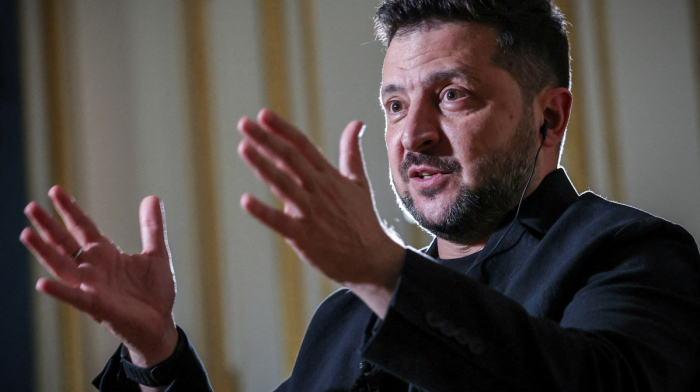
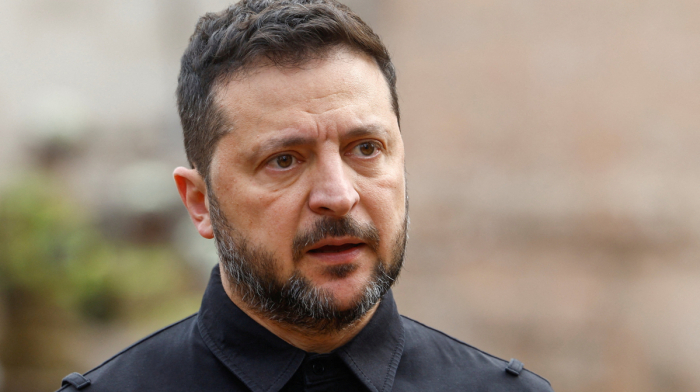
Ukrainian President Volodymyr Zelenskyy met German Chancellor Friedrich Merz in Berlin on Wednesday before joining a German-hosted virtual conference with U.S. President Donald Trump, NATO and European leaders, two days ahead of Trump’s first meeting with Russian President Vladimir Putin since 2021.
The Berlin meeting marked the first leg of a diplomatic push by Kyiv and its European allies to stress the risks of a deal that could compromise Ukraine’s interests. The video conference at 2 p.m. (1200 GMT), will bring together the leaders of Germany, Finland, France, Britain, Italy, Poland and the European Union, as well as NATO Secretary General Mark Rutte.
Trump and Vice President JD Vance are expected to join the call at 3 p.m. (1300 GMT).
The session comes ahead of the Alaska summit, which Trump has described as a “feel-out” meeting in pursuit of a ceasefire in Russia’s war on Ukraine.
Trump said last week that any agreement could involve “some swapping of territories”, remarks that alarmed officials in Kyiv and across Europe. European leaders have stressed that no deal on Ukraine should be reached without Ukraine’s participation, noting that nearly a fifth of its territory remains under Russian occupation.
A senior official from Eastern Europe said allies were working to prevent any arrangement being made without their input.
“We are focusing now to ensure that it does not happen, engaging with U.S. partners and staying coordinated and united on the European side. Still a lot of time until Friday,” the official said.
Trump’s administration has sought to lower expectations for a breakthrough in Alaska, with White House press secretary Karoline Leavitt calling the talks a “listening exercise” to gauge what each side wants.
After the virtual meeting with Trump, the “coalition of the willing”, a group of countries preparing plans to support Ukraine in the event of a ceasefire, will also convene online.
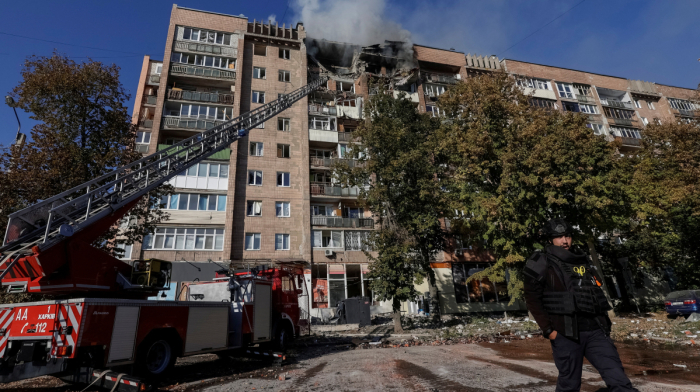
On the battlefield, Russian forces have tightened their hold on the eastern Ukrainian cities of Pokrovsk and Kostyantynivka, increasing pressure ahead of Friday’s summit.
A Gallup poll published last week found that 69% of Ukrainians support ending the conflict through negotiations as soon as possible, though polls indicate they are unwilling to accept “crushing concessions”.
Zelenskyy has said Kyiv could not agree to withdraw its troops from the Donbas region, stressing that territorial issues can only be addressed once a ceasefire and security guarantees are in place.

















What is your opinion on this topic?
Leave the first comment