Japan scrambles fighter jets after suspected Russian aircraft breach airspace
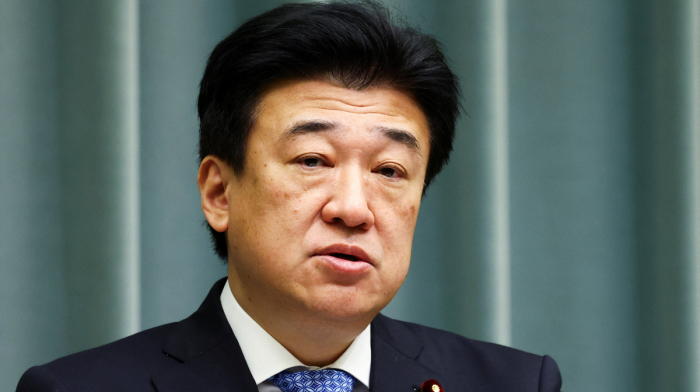
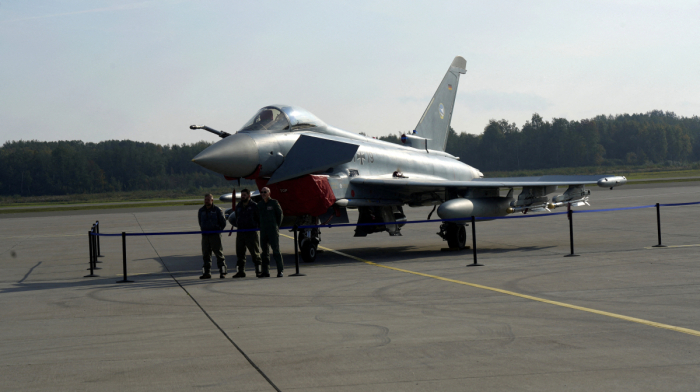
Japan has lodged a strong protest with Moscow after two aircraft believed to be Russian entered Japanese airspace off the country's south-weste...
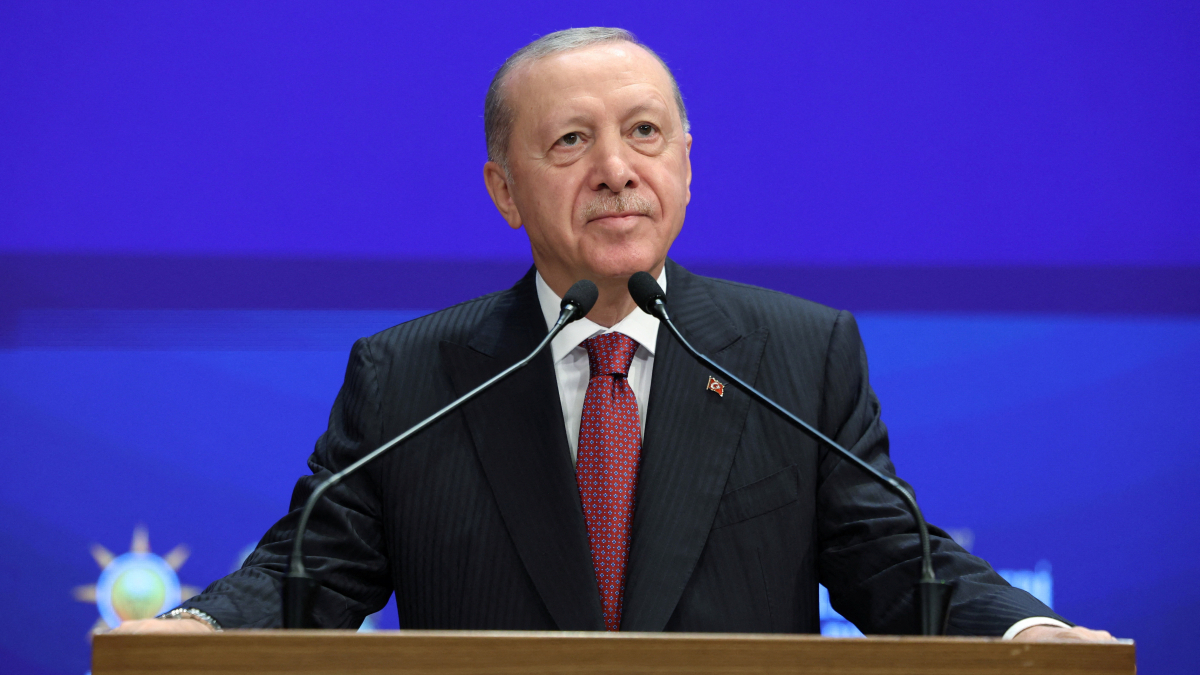
Turkish President Recep Tayyip Erdoğan has dismissed European criticism of a maritime agreement between Türkiye and Libya, arguing that objections to the deal have no legal basis.
peaking after a cabinet meeting on Monday, Erdoğan defended the 2019 agreement, which defines maritime boundaries between Türkiye and Libya in the eastern Mediterranean, where competing territorial claims and potential energy resources have fuelled regional tensions.
“We are not seeking to score points against anyone in the eastern Mediterranean,” he said, stressing that Ankara's priority was to protect its maritime rights and interests.
He also urged countries seeking to exclude Türkiye from the region to “respect the will” of Ankara and Tripoli.
His comments came after Libya's eastern-based parliament ratified the agreement last week, marking a significant shift after years of opposition.
The deal was originally signed in 2019 by Türkiye and Libya's Tripoli-based government.
On Tuesday, Egypt, Bahrain and the United Arab Emirates joined Greece in condemning the agreement, arguing that it threatens regional security and breaches international maritime law.
The four countries argue that the deal ignores the maritime rights of other eastern Mediterranean states, amid longstanding disputes over territorial waters and exclusive economic zones.
The European Union has also rejected the agreement, arguing that it violates the law of the sea and infringes on the sovereign rights of other countries.
Greece maintains that the boundaries outlined in the deal fail to recognise the maritime rights of Greek islands, particularly Crete, which lies between Türkiye and Libya.
Libya has remained politically divided between rival administrations since the 2011 overthrow of longtime leader Muammar Gadhafi.
Türkiye has long supported Libya's Tripoli-based government, providing military assistance during an offensive launched by forces loyal to eastern commander Khalifa Haftar in 2019 and 2020.
Ankara has since broadened its diplomatic engagement with eastern Libya, making the recent parliamentary ratification a significant step in its relations with the North African country.
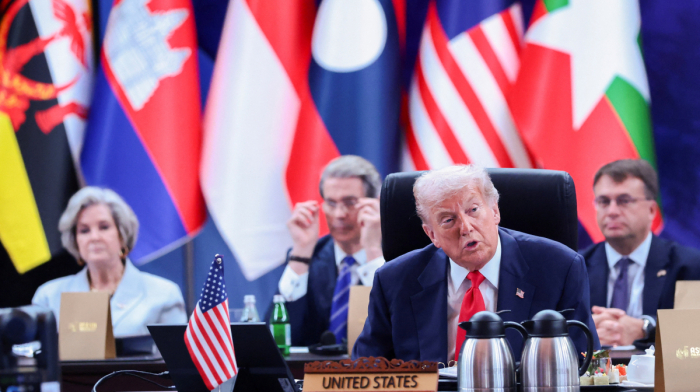
U.S. President Donald Trump is expected to arrive in Manila on Tuesday, 17 November, for a special summit with Southeast Asian leaders, as Washington seeks to strengthen regional economic and security ties amid trade tensions and growing competition with China.
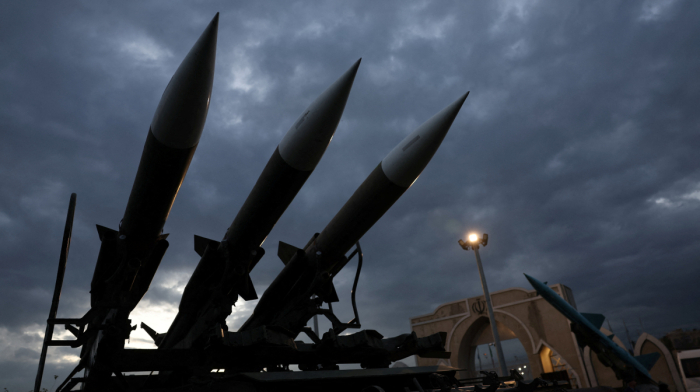
Saudi Arabia said it intercepted two Houthi ballistic missiles targeting Riyadh and three drones in its oil-rich Eastern Province on Sunday (15 November), as Iran's Revolutionary Guards claimed separate attacks on a U.S. military facility in Bahrain.
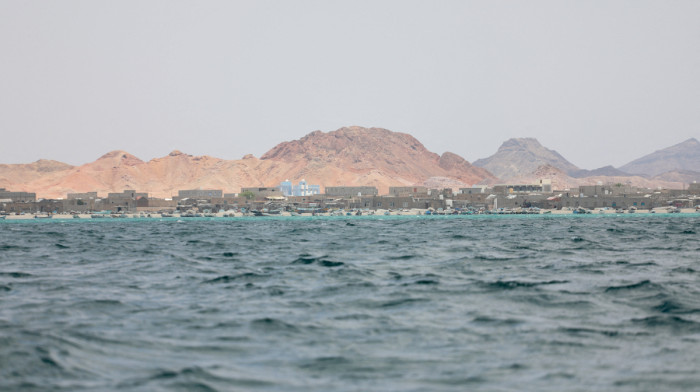
Yemeni forces fighting for the internationally recognised Saudi-backed government said on Sunday that they were withdrawing from an area overlooking the strategic Bab el-Mandeb Strait, leaving the Iran-aligned Houthis in control.
Robert Pattinson has been named the next James Bond, with Amazon MGM Studios confirming the British actor will succeed Daniel Craig as 007 in a new film directed by Denis Villeneuve.
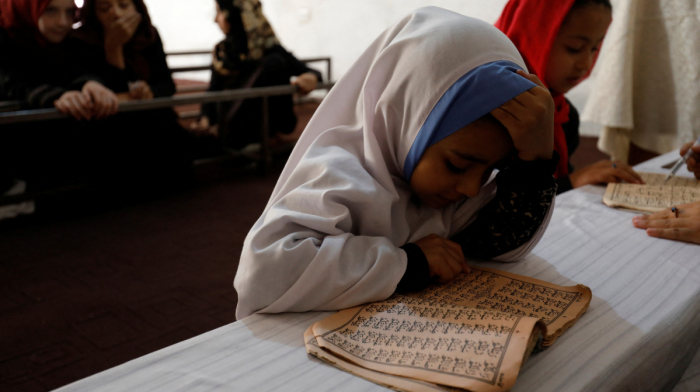
Afghanistan’s Ministry of Education has challenged a United Nations report on access to education, saying its findings do not reflect the full picture of the country’s education system.
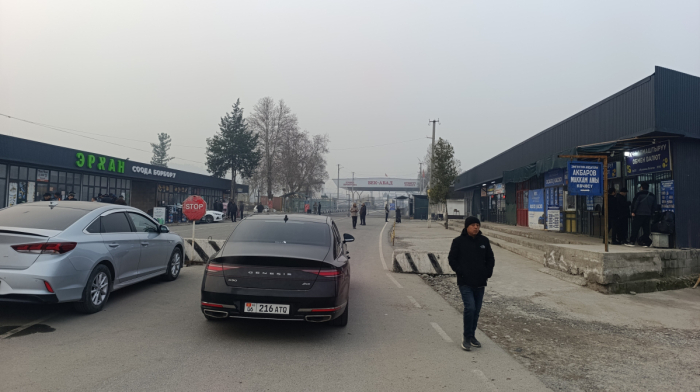
Uzbekistan is in talks with Kazakhstan and Kyrgyzstan over a joint customs system aimed at cutting border delays and speeding up freight transport. The proposed ‘One Stop’ system would eliminate duplicate inspections and simplify procedures at selected crossings.
Bahrain has sentenced dozens of people, most of them Shia Muslim clerics, to life in prison over an alleged plot involving Iran’s Revolutionary Guards to overthrow the government, as rights groups raise concerns about torture and coerced confessions.
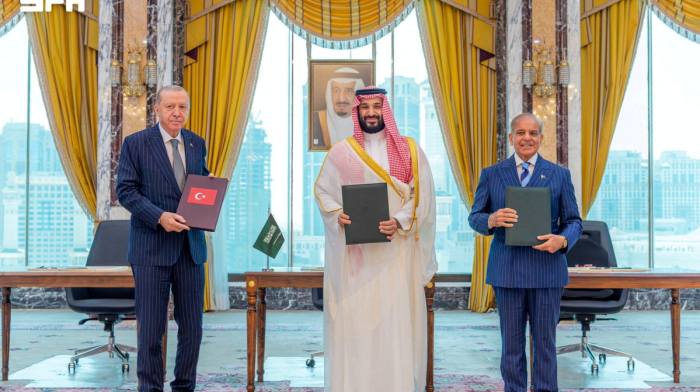
Türkiye has brought a trilateral defence pact with Pakistan and Saudi Arabia into force and signed a separate agreement with Qatar, as Ankara moves to strengthen its regional security partnerships.
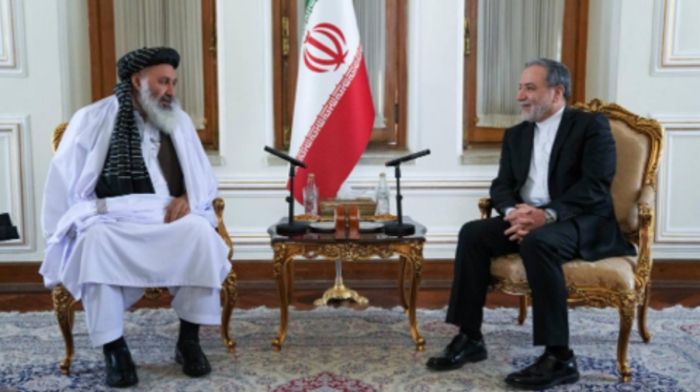
Afghanistan and Iran agreed to expand border facilities and operate customs around the clock during talks in Tehran on Sunday (15 November) between Afghan Finance Minister Mohammad Nasir Akhund and Iranian Foreign Minister Abbas Araghchi, as both countries seek to increase trade.
Gulf air defences have intercepted thousands of missiles and drones, but dwindling interceptor stocks are raising questions about how long that protection can last. New military agreements and closer regional cooperation could help, but significant gaps remain.
You can download the AnewZ application from Play Store and the App Store.
What is your opinion on this topic?
Leave the first comment