Foreign ministers meeting in Istanbul on Friday warned that renewed military strikes on Iran could deepen the regional conflict, urging diplomatic efforts to prevent further escalation.
Turkish Foreign Minister Hakan Fidan told reporters that participants agreed any renewed attack on Iran would further escalate the regional conflict.
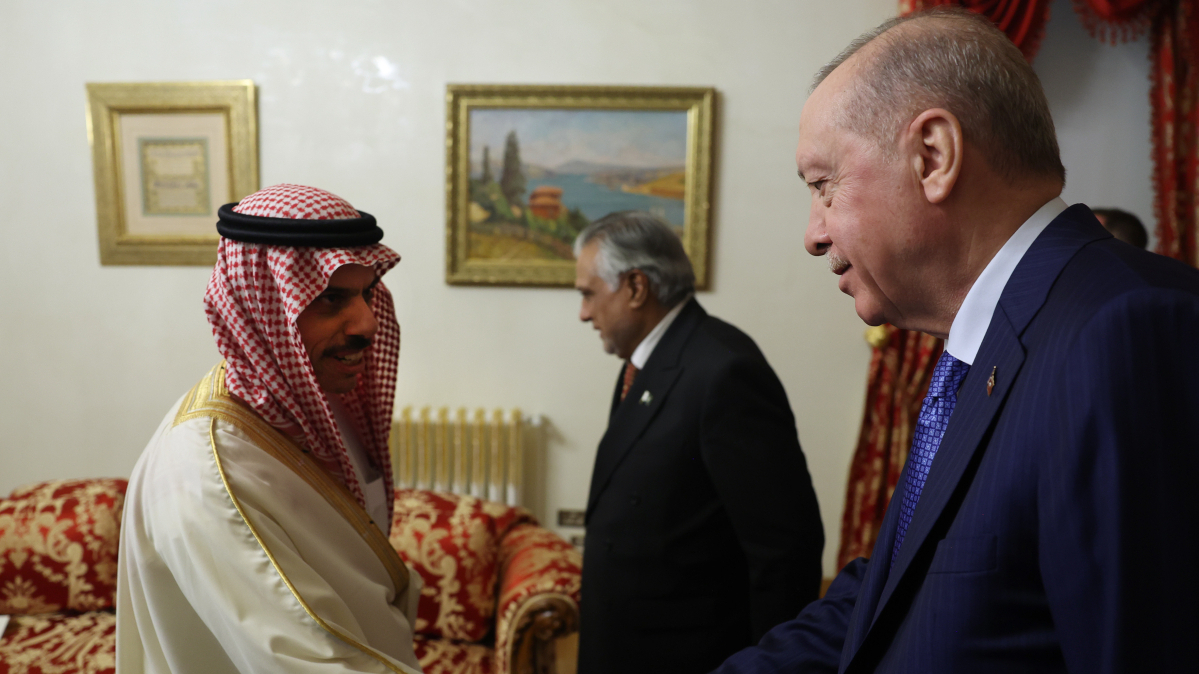
The warning followed closed-door talks hosted by Türkiye, bringing together foreign ministers from Egypt, Pakistan, Saudi Arabia, Germany, France, Britain and Italy. Discussions centred on Iran, Yemen, maritime security and the war in Ukraine.
Fidan also stressed that military intervention was not a viable solution, adding that none of the countries represented at the talks supported such action.
The talks marked the first joint meeting between the so-called “R4” group - Türkiye, Egypt, Pakistan and Saudi Arabia - and the four European countries.
Participants also explored ways to contain the regional conflict, although no specific proposals or new diplomatic initiatives were announced.
Fears grow over possible new strikes on Iran
The meeting came amid speculation that the U.S. and Israel could launch fresh attacks on Iran after the U.S. midterm elections on 3 November.
Media reports suggest potential targets could include Iran’s energy and nuclear facilities, as well as its missile and drone arsenals. However, neither Washington nor Israel has announced a final decision.
Earlier this month, U.S. President Donald Trump said Washington would not resume strikes before the elections, citing what he described as “productive” contacts with Tehran.
Despite ongoing diplomatic efforts, no ceasefire has been reached, while nuclear negotiations remain stalled.
France warns escalation would leave ‘no winners’
French Foreign Minister Jean-Noël Barrot warned that renewed tensions between Washington and Tehran “would leave no winners” and could have serious consequences for global energy prices.
The conflict has already severely disrupted shipping through the Strait of Hormuz, driven up energy costs and raised fears of further attacks on Gulf infrastructure.
Brent crude rose above $117 a barrel on Friday as concerns mounted over the possibility of renewed fighting.
Meanwhile, German Foreign Minister Johann Wadephul said Germany, France and Britain were ready to hold talks with Iran aimed at preventing Tehran from acquiring nuclear weapons.
Wadephul also urged negotiations with Yemen’s Iran-aligned Ansar Allah group, known as the Houthis, following attacks threatening Saudi territory and shipping near the strategic Bab al-Mandeb Strait.
Read more:










What is your opinion on this topic?
Leave the first comment