Uzbekistan is stepping up efforts to develop its Islamic finance sector, with policymakers, financial experts and industry leaders gathering in Tashkent to explore reforms aimed at attracting investment from the Middle East and Southeast Asia.
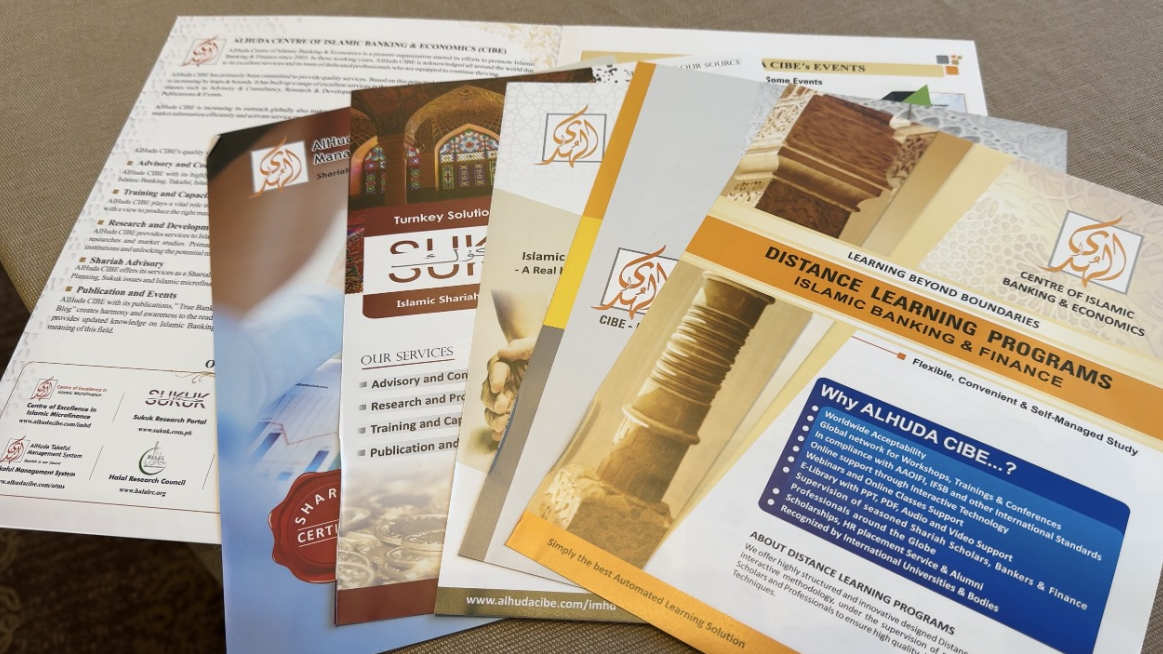
The 5th CIS Islamic Banking and Finance Forum, organised by the AlHuda Centre of Islamic Banking and Economics (CIBE), brought together representatives from across the Commonwealth of Independent States (CIS) to discuss regulatory reforms, investment opportunities and the future of Sharia-compliant financial services in the region.
A rapidly expanding global industry
Islamic finance has become one of the world's fastest-growing financial sectors, with global assets estimated at around $6 trillion and annual growth averaging between 10 and 12 per cent. The industry spans Islamic banking, sukuk (Islamic bonds), takaful (Islamic insurance) and Sharia-compliant investment funds, with analysts projecting the market could exceed $10 trillion by 2031.
Unlike conventional banking, Islamic finance prohibits interest-based lending and speculative transactions. Instead, financial institutions operate through asset-backed partnerships, leasing arrangements and profit-sharing models that comply with Islamic law.
Uzbekistan accelerates reforms
With around 94 per cent of Uzbekistan's population identifying as Muslim, demand for Sharia-compliant financial products has steadily increased in recent years.
Earlier this year, Uzbekistan adopted legislation laying the foundation for Islamic banking services, while the Central Bank has approved regulations allowing microfinance organisations to offer Sharia-compliant financial products. A separate law establishing a full-fledged Islamic banking system is currently under consideration.
Speakers at the forum said the reforms could significantly improve financial inclusion while opening new channels for foreign direct investment.
Gateway to new investment
Forum participants highlighted growing interest from investors in the Gulf Cooperation Council countries and Southeast Asia, arguing that Islamic finance could strengthen trade, infrastructure development and cross-border investment across Central Asia.
Organisers said Uzbekistan is well positioned to become a regional hub for Islamic finance, connecting international investors with one of Central Asia's fastest-growing economies through ethical and asset-backed financial instruments.
Discussions also focused on expanding Islamic banking regulations across the CIS, developing sukuk markets, strengthening fintech solutions and increasing cooperation between Central Asian countries and major Islamic financial centres.

















What is your opinion on this topic?
Leave the first comment