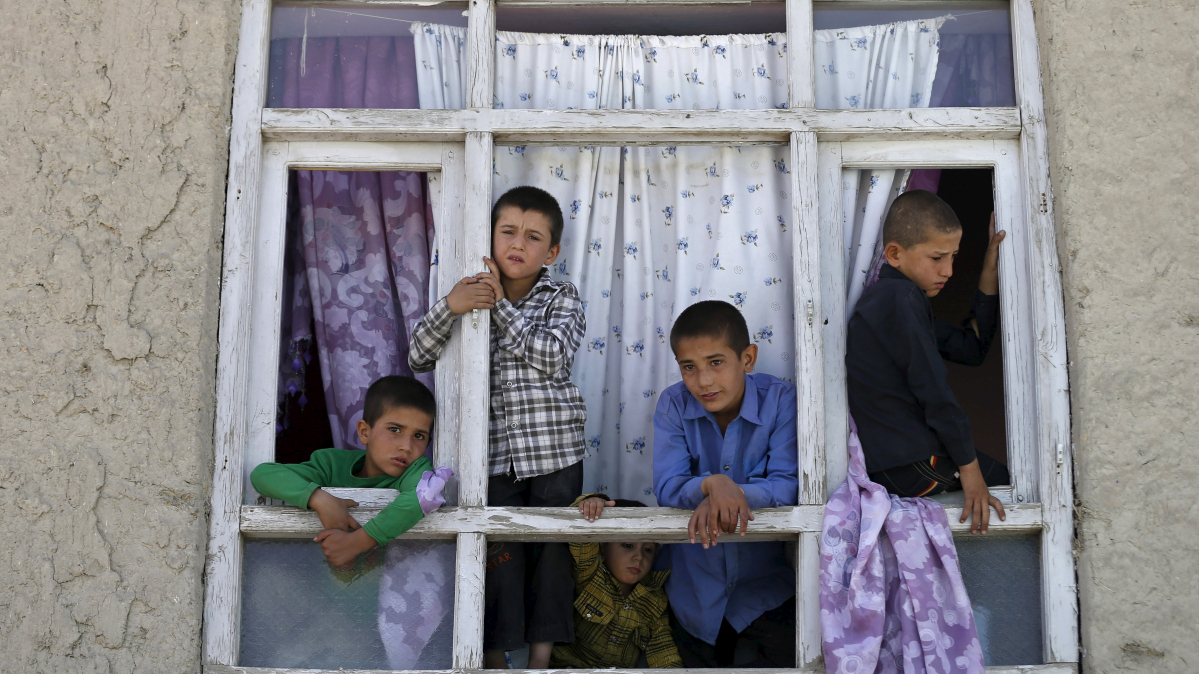
The United Nations Office for the Coordination of Humanitarian Affairs (OCHA) has warned that unexploded ordnance remains a deadly threat across Afghanistan, with children accounting for around 80% of victims and about 50 people being killed or injured each month.
OCHA has raised fresh concerns about the impact of unexploded ordnance in Afghanistan, where decades of conflict have left landmines, shells and other explosive remnants scattered across large parts of the country.
In its latest statement, OCHA said: “In Afghanistan, some 80% of victims of unexploded ordnance are children.”
The UN agency also warned: “Around 50 people are killed or injured every month.”
OCHA said mine action programmes are saving lives, but these efforts have been “scaled back due to funding cuts.”
Children most at risk
Afghanistan has one of the world's highest casualty rates from explosive ordnance. The United Nations Assistance Mission in Afghanistan has previously said the country has the third-highest explosive ordnance casualty rate in the world.
Children are especially vulnerable, as they may mistake unexploded devices for ordinary objects or encounter them while collecting scrap metal, grazing animals or travelling through contaminated areas.
AnewZ contacted the Afghan authorities for comment on OCHA's latest warning but did not receive a response by the time of publication.
Previous Afghan figures
Afghan authorities have not publicly commented on OCHA's latest statement. However, they have previously acknowledged the continuing threat posed by unexploded ordnance across the country.
In February, the Afghanistan National Disaster Management Authority said at least 87 people were killed and 333 others injured in 193 incidents involving landmines and unexploded ordnance during the previous year.
The authority's spokesperson, Hafiz Mohammad Yousuf Hammad, said children accounted for 67.5% of casualties. He also said 58 square kilometres of land had been cleared, 24,720 mines and unexploded devices had been identified and neutralised, 155 demining teams were operating across Afghanistan, and more than 2.1 million people had received mine-risk awareness training.
Decades of contamination
Despite these efforts, Afghan authorities said more than 106,000 square kilometres of land across Afghanistan remained contaminated by mines and unexploded ordnance.

















What is your opinion on this topic?
Leave the first comment