Multiple injuries reported in UK train collision
Police and ambulance crews are responding to reports of a collision involving two trains in the south east of England. Multiple people have been inju...
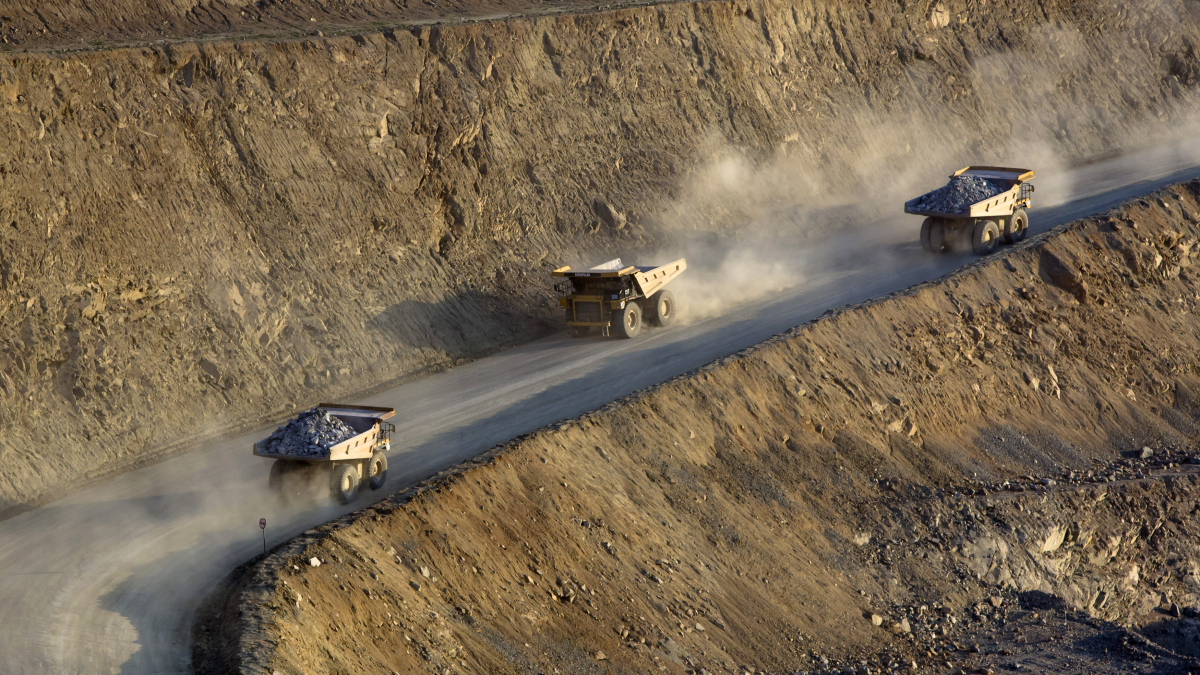
Russia is seeking to expand cooperation with Central Asian countries in the exploration, extraction and processing of rare earth metals, underlining the region's growing importance in the global race for critical raw materials.
Russian Foreign Ministry spokesperson Maria Zakharova described Central Asia as a strategically important region with significant reserves of rare earth elements and other critical materials. She said Moscow is interested in strengthening cooperation with Kazakhstan and Uzbekistan and views the countries of the region as sovereign and independent partners.
According to Zakharova, Russia's approach focuses on economic cooperation, including local processing, scientific and technological collaboration, workforce training and industrial development.
The renewed interest comes as Central Asia attracts increasing international attention for its mineral wealth. In 2025, Kazakhstan announced the discovery of a rare earth metals deposit estimated at more than 20 million tonnes. If confirmed, the find could place the country among the world's leading holders of rare earth resources.
Kazakhstan is also capable of producing more than half of the 34 materials designated by the European Union as critical raw materials, including lithium, cobalt, copper, tungsten and rare earth elements. Kazakhstan's Senate has previously estimated the value of the country's mineral resources at $46 trillion.
China remains the dominant player in the region's critical minerals sector. According to industry estimates, around 70% of Central Asia's critical mineral output is exported to China, underscoring Beijing's strong position in regional supply chains.
Much of Central Asia's resource potential remains unexplored. Experts estimate that the region's five countries collectively hold around 38.6% of global manganese ore reserves, 31% of chromium reserves, 20% of lead reserves, 12.6% of zinc reserves and 8.7% of titanium reserves. The region also contains significant deposits of copper, cobalt and molybdenum.
According to the U.S. Geological Survey, Central Asia is home to 384 identified rare earth and rare metal deposits. Kazakhstan accounts for 160 of them, followed by Uzbekistan with 87, Kyrgyzstan with 75, Tajikistan with 60 and Turkmenistan with two.
Experts say Central Asia is gaining strategic importance as countries seek new sources of critical minerals and look to diversify supply chains. The region's large reserves and largely untapped deposits are drawing increasing attention from international investors and governments alike.

Donald Trump has said the U.S. will resume bombing Iran if Tehran doesn't "behave," at the sidelines of the G7 summit in France. Earlier, the U.S. President criticised Israel for its tactics against Hezbollah, saying it was unnecessary to bomb entire apartment buildings to tackle militants.Â
U.S. President Donald Trump sought a deal with Iran "out of deperation," Iranian Supreme Leader Mojtaba Khamenei has said, in a statement on social media. Khamenei added that he himself "held a different view," to Trump, but allowed the agreement after receiving assurances from Iran's President.
Israel and Hezbollah have agreed to a ceasefire, a senior U.S. official has said. Hezbollah has released a statement saying Israel must leave southern Lebanon. Israel has said it agrees to the ceasefire, but has said its armed forces won't leave Lebanon and will resume hostilities if attacked.
Jorge Messi, the father of football star Lionel Messi, is under medical supervision and is "progressing favourably" while recovering from an undisclosed health condition, according to a family statement.
European Union leaders agreed on Thursday to extend sanctions against Russia over its ongoing war in Ukraine for a further 12 months, marking the first time the restrictive measures have been renewed on an annual basis rather than the previous six-month cycle.
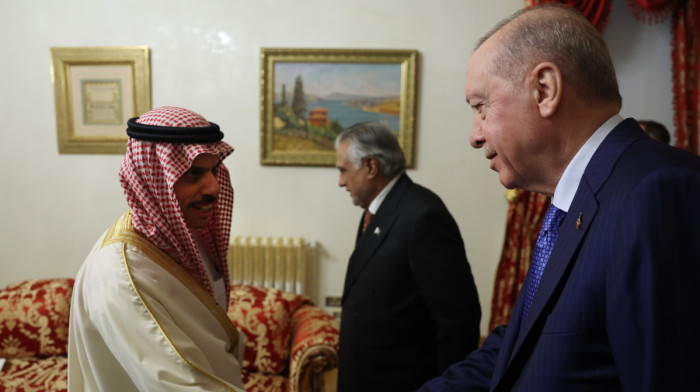
Pakistan has emerged as a key intermediary in U.S.-Iran diplomacy after months of shuttle talks, draft revisions and regional coordination involving Gulf states and China. An interim understanding has been reached, but officials warn the most difficult phase of negotiations still lies ahead.
Israel and Hezbollah have agreed to a ceasefire, a senior U.S. official has said. Hezbollah has released a statement saying Israel must leave southern Lebanon. Israel has said it agrees to the ceasefire, but has said its armed forces won't leave Lebanon and will resume hostilities if attacked.
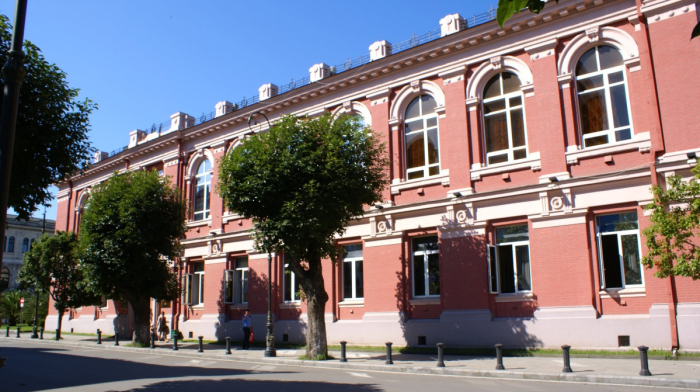
Georgian Prime Minister Irakli Kobakhidze arrived in Dushanbe on 19 June 2026 for the first official visit by a Georgian head of government to Tajikistan, concluding a trip that produced a joint communiqué, multiple bilateral agreements and a new commission to deepen economic cooperation.
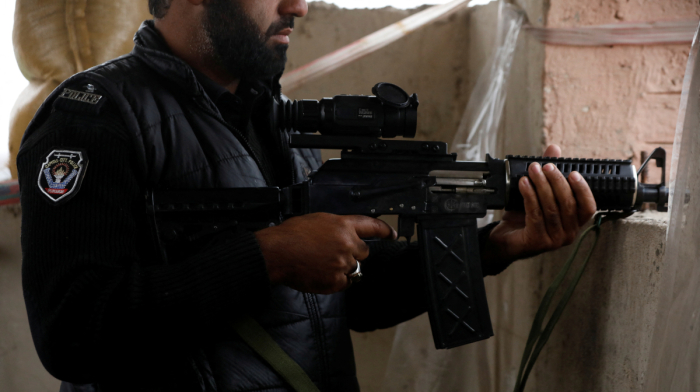
A territory-wide shutdown has brought daily life in Pakistan-administered Kashmir to a standstill following the deadliest unrest in years, which has left at least 24 people dead over nearly two weeks of protests.
Pakistan and Iran are accelerating efforts to transform their shared border from a historically volatile frontier into a hub for trade and investment, as both countries advance plans for a special economic zone and pursue a target of $10 billion in bilateral trade.
You can download the AnewZ application from Play Store and the App Store.
What is your opinion on this topic?
Leave the first comment