Afghanistan’s humanitarian situation remained severe throughout 2025, with millions still struggling to meet basic needs, according to a new report by the International Committee of the Red Cross (ICRC).
The organisation said it supported more than 1.2 million primary healthcare consultations over the course of the year, underscoring the scale of ongoing need across the country.
In its annual operational update, the ICRC said it backed 47 primary healthcare centres run by the Afghan Red Crescent Society, where more than 1.26 million patients received treatment, around 64% of them women and girls.
Summarising its work, the organisation said it “continued to monitor the humanitarian situation of the civilian population” and raised concerns with authorities“to help prevent harm and ensure people’s safety and dignity.”
The report said the figures reflect the scale of needs across the country, where years of conflict, economic decline and natural disasters have strained already fragile public services.
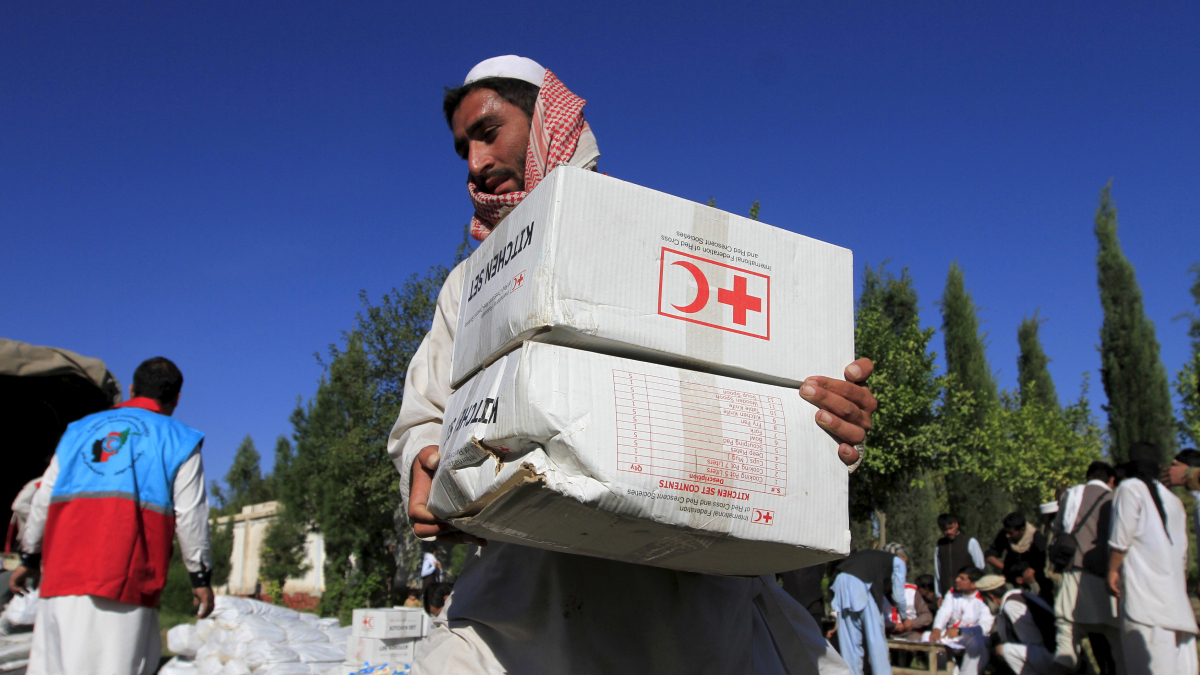
Delivering essential medical supplies
According to the ICRC, more than 337,000 routine vaccine doses were administered at supported clinics, while hundreds of healthcare workers received technical training and financial support to improve services.
The organisation also said it delivered essential medicines and supplies to hospitals treating emergencies, outbreaks and returnees, helping more than 107,000 people access treatment.
Beyond healthcare, the report pointed to wider humanitarian pressures. More than 15,000 households received cash assistance for urgent basic needs, mainly among returnees, earthquake-affected communities and displaced families.
In both rural and urban areas, more than 775,000 people gained access to clean drinking water through repairs to hand pumps, solar-powered systems and other infrastructure projects.
Humanitarian agencies have repeatedly warned that Afghanistan remains one of the world’s most severe crises, with millions dependent on aid as poverty, unemployment and climate shocks continue to affect daily life.

















What is your opinion on this topic?
Leave the first comment