Uzbekistan is introducing a new national system to support startups as part of a broader drive to strengthen the digital economy and modernise public services.
The reforms come amid rapid growth of the country’s innovation sector. The value of Uzbekistan’s startup and venture ecosystem reached $3.9 billion in 2024–2025. The number of active startups has exceeded 750, supported by 15 venture funds with total capital of more than $180 million, positioning Uzbekistan as one of the fastest-growing startup ecosystems in Central Asia.
The government has set ambitious targets for the coming years. By 2030, Uzbekistan plans to increase the number of startups to 5,000, ensure that at least 200 local startups enter international markets, and raise total venture investment to $2 billion.
To reach these goals, a new four-stage support system will be introduced, based on international best practice. The system will accompany startups through all key phases of development: idea, development, launch and scaling, offering tailored support at each stage.
The package will include grants, tax incentives, co-financing mechanisms and compensation for export-related costs, aimed at lowering entry barriers for entrepreneurs and improving access to capital.
The startup reform is closely linked to the large-scale digital transformation of public services. The government plans to expand the number of digital public services to 900, significantly widening access to online procedures for citizens and businesses.
Key processes such as opening a business, issuing bank cards, obtaining SIM cards, as well as insurance and advertising services, are set to be fully digitised. Artificial intelligence (AI) is expected to be introduced in more than 50 public services to improve speed, transparency and efficiency.
Uzbekistan is also investing in the infrastructure needed to support the digital economy. A supercomputer has already been launched, while AI laboratories are planned to open in 15 universities across the country. These facilities are expected to boost research capacity, train specialists and support the development of domestic AI solutions.
Looking ahead to 2026, authorities plan further deployment of 5G technologies, wider coverage of high-speed internet across populated areas, and broader use of satellite communications. These measures are intended to reduce the digital divide and improve access to online services nationwide.
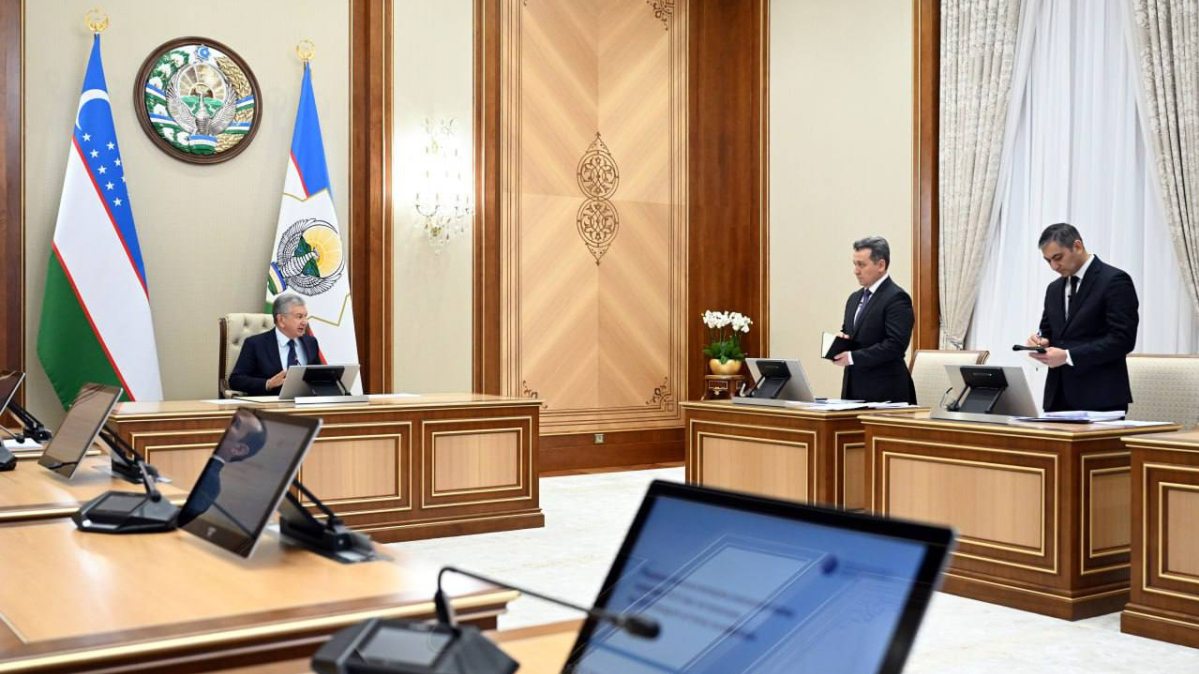
President Shavkat Mirziyoyev noted that digital technologies directly contribute to raising the competitiveness of the economy, improving the effectiveness of public administration and enhancing the quality of life, and instructed officials to ensure the practical implementation of the outlined tasks.



















What is your opinion on this topic?
Leave the first comment